Pruning Hydrangeas for Reliable Blooms | NH Seacoast
Introduction to Hydrangea Pruning
Hydrangeas are some of the most cherished garden plants on the NH Seacoast, known for their showy blooms and graceful presence in landscapes. Yet many homeowners end up frustrated when their hydrangeas stop flowering, often because of pruning mistakes. The secret to success lies in understanding your specific variety and applying the right timing and technique. With proper care, hydrangeas will reward you with reliable, abundant blooms year after year.
Understanding Hydrangea Varieties
Not all hydrangeas grow and bloom the same way, which is why pruning can be confusing. Bigleaf hydrangeas (Hydrangea macrophylla) are the classic blue and pink mopheads that bloom on old wood, meaning buds from the year before. Panicle hydrangeas (Hydrangea paniculata) produce cone-shaped blossoms on new wood and are some of the most reliable bloomers in Seacoast gardens. Smooth hydrangeas, such as the well-known ‘Annabelle,’ also flower on new wood and can handle heavy annual cutbacks. Oakleaf hydrangeas add bold foliage and elongated blooms but, like bigleaf types, they flower on old wood. Knowing which type you have is essential, because each responds differently to pruning.
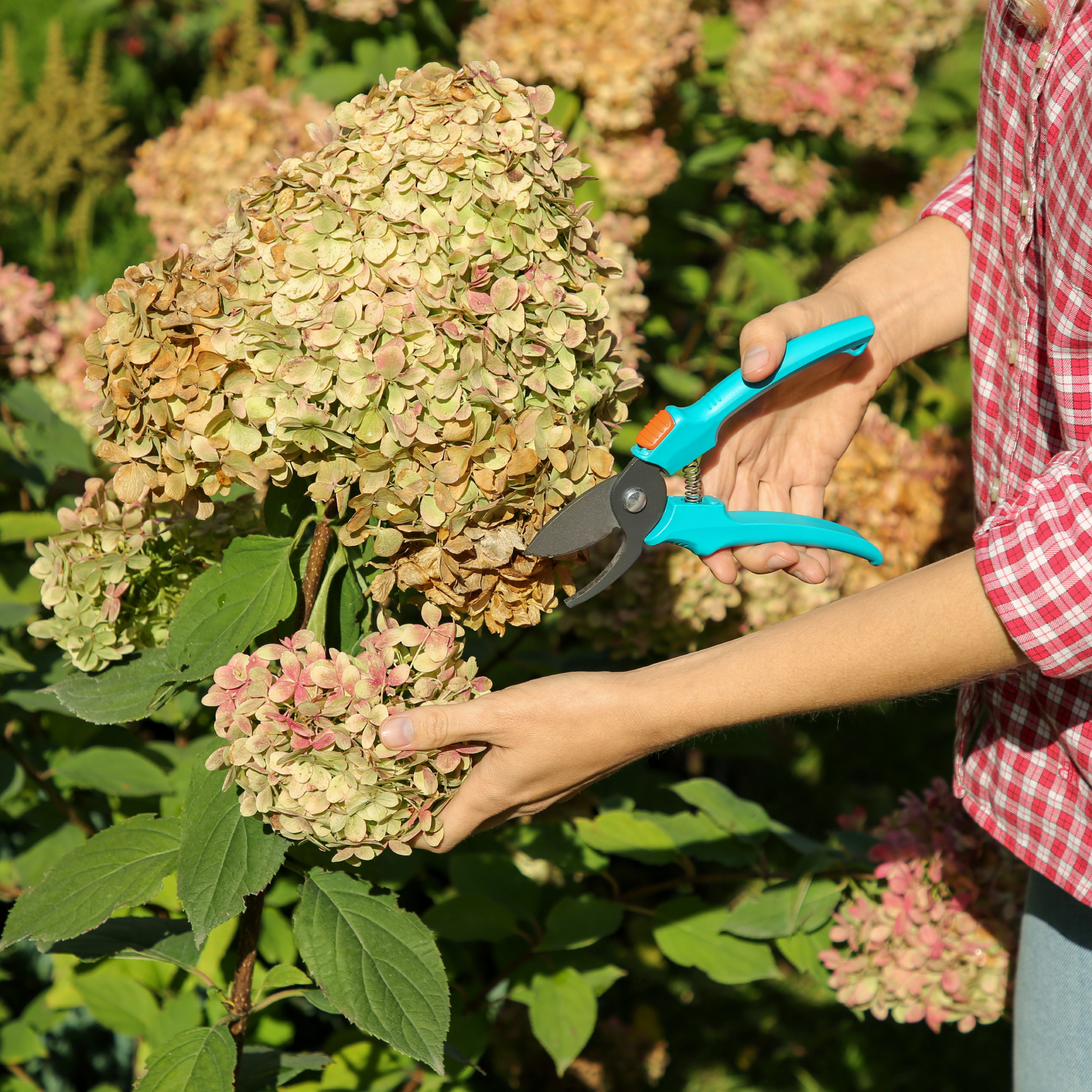
Pruning Bigleaf Hydrangeas
Bigleaf hydrangeas bloom on old wood, meaning the buds for next year’s flowers form during the previous summer. If you prune in fall or early spring, you risk cutting off those flower buds entirely, leaving you with leaves but no blooms. The right time to prune is immediately after the shrub finishes flowering, usually in July on the Seacoast. At this stage, you can safely remove up to one-third of the oldest stems at the base to encourage fresh growth without stressing the plant. Avoid hard pruning or shearing, as both weaken the shrub and reduce its natural beauty.
Panicle Hydrangeas: The Reliable Workhorse
Panicle hydrangeas bloom on new wood, which makes them some of the most forgiving and reliable hydrangeas to prune. Because their flowers develop on the current season’s growth, you can prune them each year without worrying about losing blooms. The best time for pruning is late winter or early spring, before new growth begins. Reducing the plant’s overall size by about one-third and thinning out any crowded branches creates a strong framework that supports abundant blossoms. This approach not only ensures reliable flowers but also improves airflow, helping to reduce common problems like mildew and disease.
Smooth Hydrangeas and Their Annual Cutback
Smooth hydrangeas, like the popular ‘Annabelle,’ bloom on new wood and are among the easiest types to manage. Many gardeners give them a heavy cutback in winter, taking stems nearly to the ground to encourage dramatic, oversized blooms the following summer. While this creates show-stopping flower heads, those heavy blossoms sometimes flop under their own weight. An alternative approach is to cut stems back to about 18 to 24 inches, which leaves enough structure to support the flowers upright. Through the summer, you can also tidy the plant by removing faded blooms, but the main pruning is best reserved for the dormant season.
Oakleaf Hydrangeas and Their Seasonal Rhythm
Oakleaf hydrangeas bloom on old wood, which means pruning at the wrong time can easily remove next year’s flowers. The best time to prune them is right after they finish flowering in midsummer. At this stage, focus on removing any damaged or crossing stems and give the plant only light shaping to maintain balance. Because oakleaf hydrangeas also provide beautiful fall foliage, heavy cuts are unnecessary—minimal pruning keeps both the flowers and the seasonal color display intact.
Challenges of Growing Hydrangeas on the Seacoast
Hydrangeas on the NH Seacoast face unique challenges that can affect their growth and blooms. Sandy soils drain quickly, leaving these moisture-loving shrubs prone to drying out during hot summers. Salt spray and strong coastal winds add stress, while fluctuating spring temperatures can damage delicate buds. To help hydrangeas thrive, apply a layer of mulch to conserve moisture, feed with a balanced slow-release fertilizer in spring, and protect vulnerable plants from sudden frosts with burlap or frost cloth. These small steps make a big difference in keeping Seacoast hydrangeas healthy and blooming.
Avoiding Common Mistakes
One of the biggest reasons hydrangeas fail to bloom is pruning at the wrong time, especially for old-wood types like bigleaf or oakleaf varieties. Cutting them in fall or early spring removes the very buds that would produce flowers. Another common mistake is treating hydrangeas like hedges and shearing them into boxy shapes. This weakens their natural form, reduces blooms, and leaves plants less healthy overall. Over-pruning is also a problem—removing too much wood at once puts unnecessary stress on the shrub and slows recovery. With hydrangeas, less is more: focus on light, well-timed cuts that respect the plant’s growth cycle.
When Professional Help Is Worthwhile
If you are unsure which type of hydrangea you have or your shrubs keep failing to bloom despite your efforts, it may be time to call in help. Professional gardeners can quickly identify the variety, choose the right pruning method, and restore the plant’s structure and balance. Beyond saving you time and frustration, expert pruning sets hydrangeas up for healthier growth and more reliable blooms year after year.
Recap: Key Points for Pruning Hydrangeas
Bigleaf and oakleaf hydrangeas bloom on old wood, so prune them immediately after flowering. Panicles and smooth hydrangeas bloom on new wood and are best pruned in late winter or early spring. Avoid pruning in fall or early spring, which often removes developing buds. Support hydrangeas with mulch, fertilizer, and frost protection to handle Seacoast conditions. And remember—when shrubs are struggling or overgrown, professionals bring the expertise needed to restore health and beauty.
Conclusion
Hydrangeas reward careful, patient pruning with unmatched seasonal beauty. By learning when and how to prune, you ensure strong, reliable blooms year after year. On the NH Seacoast, where weather and soil can add extra challenges, thoughtful care and strategy make all the difference.
📞 Call Seacoast Gardener today at (603) 770-5072 for expert hydrangea pruning and care tailored to coastal New Hampshire gardens.
