How to Test and Improve Your Garden Soil Before Spring Planting
How to Test and Improve Your Garden Soil Before Spring Planting
Every healthy garden begins below the surface. Before the first flowers bloom or shrubs push out fresh growth, the soil is already doing the quiet work that supports the entire landscape. Along the New Hampshire Seacoast, gardeners in Portsmouth, Rye, Exeter, and North Hampton know that early spring is the perfect time to evaluate and improve soil before planting begins.
In Zone 6b gardens, soil conditions can vary widely even within the same neighborhood. Some properties have sandy coastal soils that drain quickly, while others have heavier soil that holds moisture longer. Understanding what is happening beneath your plants helps ensure everything from ornamental trees to flowering shrubs grows stronger and healthier throughout the season.
Why Soil Testing Matters Before Spring Planting
Many gardeners focus on fertilizers or watering when plants struggle, but the real story often begins with the soil itself. Soil testing reveals the basic structure and nutrient balance that plants depend on.
A simple soil test can show pH levels, organic matter content, and the presence of important nutrients like nitrogen, phosphorus, and potassium. These elements influence how well plants absorb water and nutrients from the ground.
In Seacoast landscapes, soil pH is especially important. Many ornamental plants prefer slightly acidic soil, which is common in parts of coastal New Hampshire. Testing helps determine whether adjustments are needed before spring planting begins.
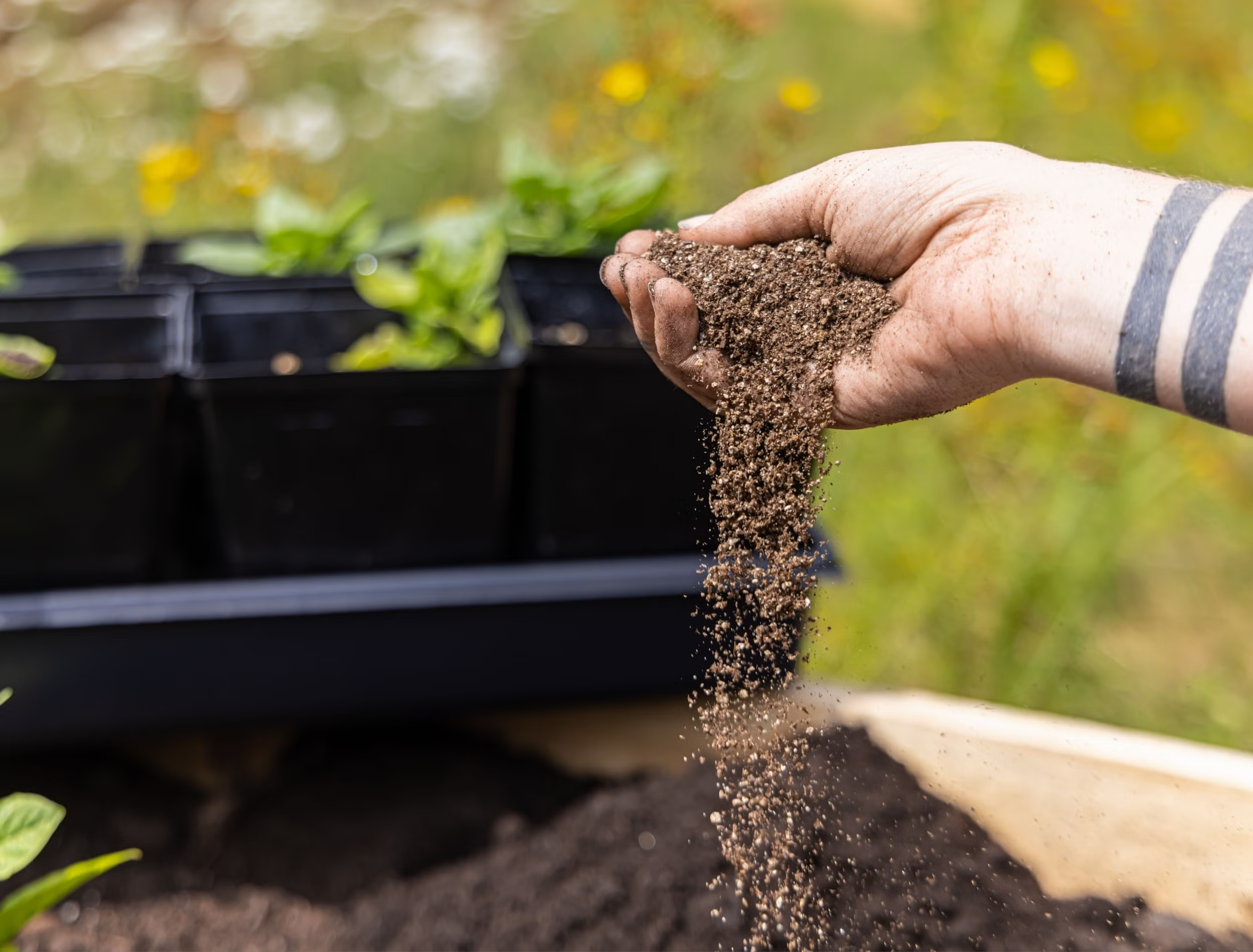
Collecting a Soil Sample the Right Way
Taking a soil sample is simpler than many homeowners expect. The key is collecting soil that represents the overall garden bed rather than just one small spot.
Using a small shovel or hand trowel, dig several small samples from different areas within the garden bed. Each sample should come from about four to six inches below the surface, where most plant roots are active.
Mix these samples together in a clean container to create a combined sample. This blended soil provides a more accurate picture of conditions across the entire bed.
Homeowners across Portsmouth and Exeter often send soil samples to local cooperative extension labs, which provide detailed reports and recommendations.
Understanding Soil Texture in Seacoast Gardens
Beyond nutrients and pH, soil texture also plays a major role in plant health. Along the Seacoast, sandy soils are quite common, particularly in areas closer to the ocean such as Rye and North Hampton.
Sandy soil drains quickly and warms up faster in spring, which can benefit certain plants. However, it also tends to lose nutrients and moisture more quickly than heavier soils.
Inland gardens sometimes have denser soil that holds water longer. While this can help retain nutrients, it may also reduce airflow around plant roots if the soil becomes compacted.
Understanding soil texture helps guide decisions about compost, mulch, and soil improvement strategies.
Improving Soil with Organic Matter
One of the most effective ways to improve almost any soil type is by adding organic matter. Compost, leaf mold, and aged organic materials help create a balanced soil structure that supports healthy root systems.
In sandy soils common along the Seacoast, organic matter improves the soil’s ability to retain moisture and nutrients. This helps plants stay hydrated during warm summer periods.
In heavier soils, organic material improves drainage and creates better airflow for plant roots. Over time, this creates a looser, more workable soil that supports stronger plant growth.
Adding compost to garden beds before spring planting allows it to begin integrating into the soil as temperatures warm.
Mulching for Long Term Soil Health
Mulch plays a quiet but powerful role in maintaining healthy soil. After soil has been tested and improved, a fresh layer of organic mulch helps protect those improvements throughout the growing season.
Mulch regulates soil temperature, reduces moisture loss, and suppresses weeds that compete with garden plants. In coastal gardens where wind can dry out soil quickly, mulch acts as a protective layer.
A two to three inch layer of mulch around shrubs, ornamental trees, and perennial beds helps create stable growing conditions. Just be sure to keep mulch a few inches away from plant stems to prevent excess moisture buildup.
Many fine gardening services across the Seacoast combine mulching with seasonal soil care to maintain strong plant health.
Early Spring Weeding and Bed Preparation
Preparing soil before spring planting also includes removing weeds and clearing debris from garden beds. Winter often leaves behind fallen leaves, twigs, and dormant weeds waiting to emerge.
Removing these materials early improves airflow and allows sunlight to warm the soil more effectively. It also prevents weeds from establishing deep root systems as the growing season begins.
In established landscapes throughout Portsmouth and North Hampton, early bed preparation often happens alongside pruning and shrub care. Addressing these tasks together ensures the entire garden starts the season in good condition.
Supporting Shrubs and Ornamental Trees
Healthy soil benefits every plant in the landscape, especially long lived shrubs and ornamental trees. These plants depend on stable soil conditions for strong root development.
Soil improvement helps shrubs produce fuller growth and stronger flowering throughout the season. Ornamental trees also respond well to improved soil health, developing balanced canopies and healthier foliage.
When soil care is combined with proper pruning and seasonal maintenance, plants are better equipped to handle the changing weather patterns common in coastal New England.
A Local Approach to Soil Care
Gardening near the ocean brings unique challenges. Coastal winds, sandy soils, and fluctuating spring temperatures all influence how plants grow.
In Seacoast communities like Rye, Exeter, and Portsmouth, experienced gardeners understand that soil care must be tailored to local conditions. What works inland may not work as well in coastal landscapes.
This is where fine gardening experience becomes especially valuable. Observing soil structure, drainage patterns, and plant performance helps guide the right improvements for each garden.
Starting the Growing Season on Strong Ground
Improving garden soil before spring planting is one of the most valuable steps homeowners can take. Healthy soil creates the foundation for stronger plants, better flowering, and a landscape that continues improving year after year.
With thoughtful soil testing, organic amendments, mulching, and early seasonal care, Seacoast gardens can thrive throughout the growing season.
If you would like help preparing your garden for spring, Seacoast Gardener provides professional fine gardening services throughout Portsmouth, Rye, Exeter, North Hampton, and the surrounding communities of the New Hampshire Seacoast and Southern Maine.
From soil improvement and mulching to pruning, shrub care, ornamental tree maintenance, and seasonal garden preparation, our team helps homeowners create landscapes that remain healthy, balanced, and beautiful throughout the year. Reach out to Seacoast Gardener to give your garden the strong foundation it deserves.
Reach out to Seacoast Gardener:
📞 (603) 770-5072 | 🌐 www.seacoastgardener.com