Deadheading for More Blooms: Easy Techniques for Beginners
Simple Ways to Keep Your Garden Flowering All Season Long
There is a quiet satisfaction in walking through a garden that keeps blooming, week after week, long past the point where most landscapes start to fade. That kind of continuous color does not happen by accident. It comes from a simple, well timed practice called deadheading, and it is one of the most rewarding things a beginner gardener can learn to do. Once you understand the basics, it becomes second nature.
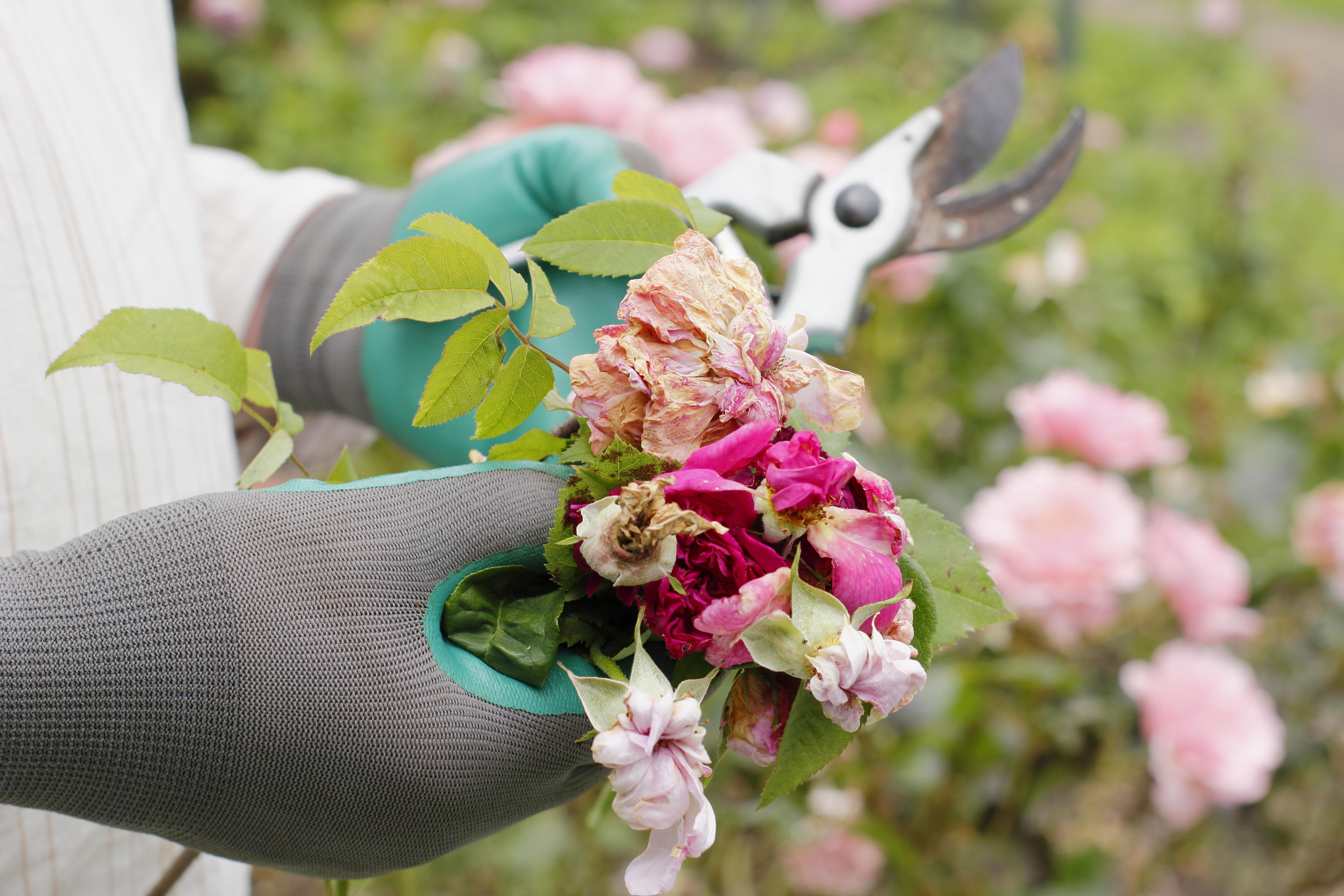
Deadheading simply means removing spent flowers before they set seed. When a plant puts energy into producing seeds, it slows down flower production. By removing those fading blooms, you redirect the plant's energy back into growing new buds and extending the bloom period well into late summer and fall. Along the New Hampshire Seacoast, where the growing season in Zone 6b runs from late spring through October, that extended bloom window makes a real difference in how a garden looks and performs.
Why Deadheading Matters in a Seacoast Garden
In Exeter landscapes, perennials and flowering shrubs have to work within a specific seasonal rhythm. Warm summers with cooling ocean air, variable moisture, and the occasional stretch of heat and wind all influence how plants flower and recover. Deadheading helps plants stay focused on what you want them doing, producing blooms rather than spending resources on seed production.
Beyond the bloom benefit, removing spent flowers also keeps a garden looking clean and intentional. A bed full of browning, drooping flower heads quickly loses its visual appeal, even when healthy new growth is emerging right beneath them. Regular deadheading keeps the composition looking fresh and well maintained throughout the season.
It also reduces disease pressure in some plants. Decaying flower material can hold moisture against foliage and stems, which invites fungal issues. In a coastal climate where humidity can be variable, this simple act of tidying is genuinely good plant care.
The Basic Technique Most Beginners Can Start Today
The most straightforward way to deadhead is to follow the flower stem down to the first set of healthy leaves and make a clean cut just above that leaf node. This encourages the plant to branch from that point and produce new flower stems rather than simply stopping at the cut. A clean pair of pruning snips or even your fingers works well for soft stemmed plants.
For plants with multiple buds along a single stem, such as salvias or veronicas, you can wait until most of the blooms on that stem have faded and then cut the entire stem back by about a third. New growth will emerge from the base and side shoots, often producing a second or even third flush of flowers before the season ends.
The key in all of this is making clean cuts rather than tearing or pinching roughly. Clean cuts heal faster, reduce stress on the plant, and lower the risk of introducing disease. Keeping your snips sharp and wiping them between plants is a small habit that makes a meaningful difference over the course of a season.
Which Plants Respond Best to Deadheading
Not every plant benefits equally from deadheading, and knowing which ones to prioritize helps you use your time wisely in the garden. Perennials like coneflowers, black eyed Susans, catmint, and phlox all respond enthusiastically to regular deadheading, often reflowering multiple times through summer and into fall.
Repeat blooming roses are another strong candidate. Removing finished flowers on modern shrub roses encourages the next flush and keeps the plant looking composed rather than ragged. In Exeter gardens where roses are a popular choice for mixed borders, this is one of the most visible ways to extend seasonal color.
Some plants, such as ornamental grasses and certain native perennials, are better left alone. Their seed heads provide winter interest, wildlife habitat, and structural beauty in the colder months. Learning which plants to deadhead and which to leave standing is part of developing a real feel for your landscape.
When to Stop Deadheading as the Season Winds Down
As late summer transitions into early fall, it is generally wise to slow down and eventually stop deadheading. Allowing plants to set seed signals to them that the season is ending, which helps trigger the hardening off process that prepares them for winter. Plants that are still being pushed to rebloom late in the season may not harden off as fully as they should, which can affect their winter survival in Zone 6b.
By mid to late September in Seacoast gardens, letting the plants shift naturally into their dormancy cycle is the right choice. The seed heads that remain also carry visual interest through the winter months and provide food for birds during the colder weeks along the New Hampshire coast.
Deadheading is one of those simple practices that gives a great deal back for a modest investment of time. Combined with proper seasonal pruning, weeding, shrub care, and mulching, it becomes part of a complete garden rhythm that keeps your landscape healthy and beautiful from spring through frost.
If you would like professional help with seasonal garden care, ornamental plant maintenance, or keeping your flowering beds at their best, Seacoast Gardener serves Exeter and the surrounding New Hampshire Seacoast and Southern Maine communities with fine gardening services tailored to the coastal landscape.
📞 (603) 770-5072 | 🌐 www.seacoastgardener.com