Creating a Pollinator Pathway in Your Backyard
How Portsmouth Homeowners Can Turn Their Garden Into a Haven for Bees, Butterflies, and Beyond
There is a moment in midsummer when a well-planted garden comes fully alive. Bees move steadily from flower to flower, a monarch pauses on a coneflower, and the whole yard hums with a kind of productive energy that no amount of hardscaping can replicate. That kind of garden does not happen by accident. It is the result of deliberate plant choices, thoughtful layering, and a willingness to let the landscape serve something larger than just appearance.
Pollinator gardens are having a well-deserved moment in New England, and Portsmouth homeowners are uniquely positioned to make a real difference. Green corridors through established neighborhoods, connecting one backyard habitat to the next, give bees and butterflies the continuous foraging routes they need to thrive. Even a single well-planted bed can become a meaningful link in that chain.
Why Pollinators Need Our Help Right Now
Habitat loss is the primary driver of pollinator decline across the Northeast. As open meadows and woodland edges give way to lawns, pavement, and ornamental landscapes planted with non-native species, the food sources and nesting sites that native bees and butterflies depend on disappear with them. A lawn of close-cut grass, however tidy it looks, offers almost nothing to a foraging bee.
Native plants are the foundation of a functional pollinator garden because they have co-evolved with native insects over thousands of years. Many specialist bees can only collect pollen from specific plant families, and without those plants present in the landscape, those bee species simply cannot reproduce. Planting natives is not just aesthetically rewarding. It is ecologically necessary for the insects that drive pollination for both wild plants and food crops throughout our region.
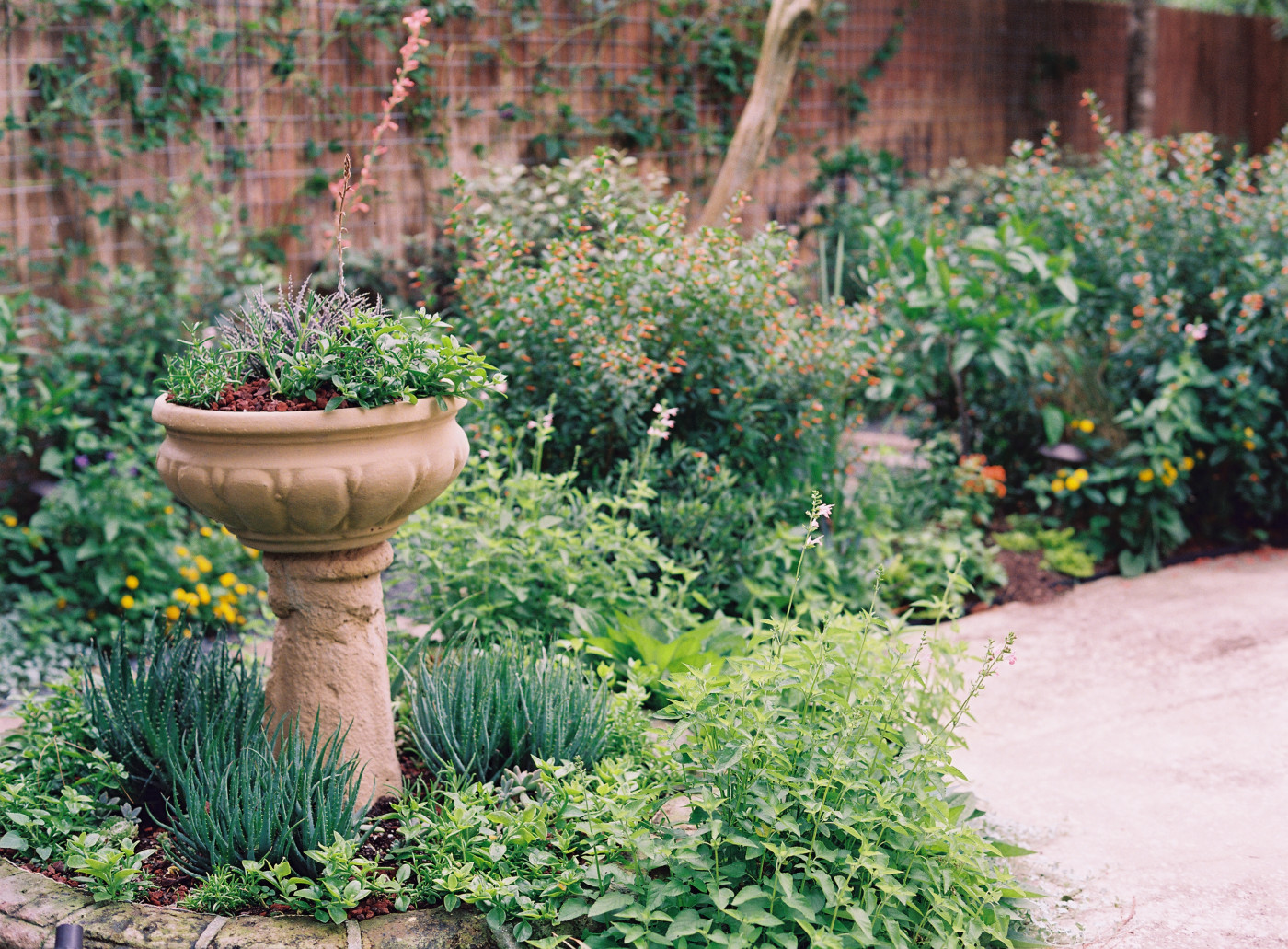
Designing for Continuous Bloom
The single most important principle in pollinator garden design is continuous bloom from early spring through late fall. A garden that peaks in July and then offers nothing from August onward is only doing part of the job. Pollinators need food sources across the entire active season, and designing for that continuity requires thinking carefully about the sequence of bloom times when selecting plants.
Early spring is served by native willows, serviceberry, and Virginia bluebells, which provide critical nectar at a moment when little else is open and emerging queen bumblebees are desperately hungry after winter. Late spring into early summer brings native wild geranium, golden Alexanders, and baptisia into bloom. Midsummer is the richest window, with coneflowers, bee balm, native milkweeds, mountain mint, and black-eyed Susans all performing simultaneously. And for fall, asters and goldenrods are among the most ecologically important plants in the entire Northeast, providing abundant late-season nectar and pollen right up until frost.
Plant Selection for Portsmouth's Coastal Conditions
Portsmouth's Zone 6b position along the Seacoast brings its own set of considerations for pollinator planting. Sandy or amended urban soils, occasional salt exposure in gardens closer to the water, and the reliable coastal wind all factor into which plants will establish and thrive without constant intervention.
New England aster is one of the most valuable plants you can include. It blooms from September into October, tolerates a wide range of soil conditions, and is absolutely covered in bees and late-season butterflies when it peaks. Swamp milkweed performs beautifully in Portsmouth's occasionally moist low spots and is the preferred milkweed species for monarch butterflies in the Northeast. Mountain mint, despite its name, handles coastal conditions with remarkable ease and produces small white flowers that attract an extraordinary diversity of native bees through midsummer.
For structure and early season value, native viburnums and native roses provide both bloom and fruit that carries through winter. Little Bluestem grass woven through the planting provides nesting habitat for ground-nesting bees, winter structure, and that warm copper-red fall color that makes a garden look intentional through the coldest months.
Building the Pathway Layer by Layer
A pollinator pathway works best when it is designed with layers that mimic the structure of a natural plant community. Taller structural plants at the back or center, mid-height flowering perennials through the middle, and lower groundcover species at the edges create the kind of visual and ecological depth that supports the widest range of visitors.
Resist the urge to keep things too tidy. Bare soil patches between plants provide critical nesting habitat for ground-nesting bees, which make up the majority of native bee species in New Hampshire. Hollow stems left standing through winter shelter cavity-nesting bees. Leaf litter left beneath shrubs and at the edges of beds protects overwintering butterfly chrysalises and native bee nests. A pollinator garden asks you to expand your definition of what a well-kept garden looks like, and the reward for doing so is a landscape that is genuinely alive.
What to Avoid
Highly bred double-flowered cultivars of native plants are worth approaching with caution. A double-flowered coneflower may look impressive at the garden center, but the extra petals that make it showy often come at the expense of accessible pollen and nectar. Native species and straight species selections are almost always more ecologically functional than heavily bred cultivars, even when those cultivars are sold as pollinator-friendly.
Pesticide use in and around a pollinator planting deserves serious reconsideration. Even products labeled as safe for use around plants can be harmful to bees and beneficial insects when applied during bloom periods or when residues remain on foliage that insects contact. If pest pressure in other parts of the garden requires treatment, timing applications for early morning or evening when pollinators are least active, and keeping applications away from flowering plants, makes a meaningful difference.
Let Seacoast Gardener Help You Get It Right
Designing a pollinator pathway that performs across the full season, looks beautiful, and fits the specific conditions of your Portsmouth property is exactly the kind of fine gardening work we do. From plant selection tailored to your site and soil to bed preparation, planting, mulching, and seasonal maintenance, Seacoast Gardener brings the expertise and genuine enthusiasm for this kind of work that your garden deserves.
A pollinator garden is one of the most rewarding things you can add to a Portsmouth landscape. It gives back to the ecosystem, it gives back to your neighborhood, and it gives you something genuinely wonderful to watch all season long. Reach out this spring and let us help you plan and plant it.
📞 (603) 770-5072 | 🌐 www.seacoastgardener.com