Reviving Tired Annuals: How to Bring Color Back in August
Reviving Tired Annuals: How to Bring Color Back in August
By early August, even the most cheerful annuals can start to look a little worse for wear. The petunias grow leggy, the geraniums sulk, and the once-vibrant border that greeted you in June begins to fade into a tangle of tired stems and spent blooms. If you have been watching your containers and beds lose their spark here in North Hampton, take heart. With a bit of attention and the right timing, you can coax a fresh flush of color that carries your garden well into September.
Understanding North Hampton's Late-Summer Conditions
North Hampton sits in that lovely transitional zone between the open coast and the wooded inland stretches, which gives gardens here a character all their own. We are firmly in Zone 6b, and the sandy loam soils common through town drain quickly, which is a blessing in a wet spring but a challenge during the dry stretches of August. Our proximity to the Atlantic moderates temperature swings, yet the salt-tinged breezes and intense late-summer sun can stress annuals that have been working hard since Memorial Day.
The heat we see in July and early August pushes many annuals into a kind of exhaustion. They have poured their energy into flowering and setting seed, and without intervention they simply slow down. The good news is that most annuals are more than willing to bloom again if you give them the signal that the season is not over yet.
Deadheading and the Art of the Refresh Cut
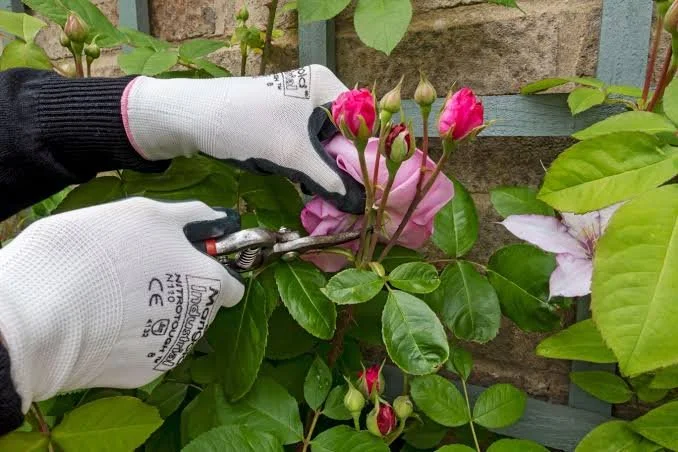
The single most effective thing you can do right now is deadhead consistently. Removing spent flowers stops the plant from putting energy into seed production and redirects it back into new blooms. For petunias, calibrachoa, and marigolds, a quick daily pinch keeps the show going, while zinnias and cosmos respond beautifully to being cut just above a leaf node.
For plants that have gone truly leggy, do not be afraid to cut back harder. A refresh cut that removes a third of the growth can look drastic for a week, but it triggers a wave of fresh, compact foliage and buds. I often tell my North Hampton clients to think of it as a summer haircut: a little bold, but the plant thanks you for it within ten days.
Feeding for a Second Act
Annuals in containers and fast-draining beds are heavy feeders, and by August the nutrients you added in spring are long gone. A balanced liquid fertilizer applied every one to two weeks gives your plants the fuel they need to rebloom. Look for something with a modest, even ratio rather than a high-nitrogen formula, which encourages leaves at the expense of flowers.
Because our sandy Seacoast soils leach nutrients so readily, consistency matters more than strength. A steady, gentle feeding schedule outperforms an occasional heavy dose every time. Water the plant first, then feed, so you never apply fertilizer to dry, stressed roots.
Watering Wisely Through the Dry Weeks
August is often when North Hampton gardens feel the pinch of low rainfall, and containers especially can dry out by midday. Deep, thorough watering in the early morning encourages roots to grow down and helps plants withstand the afternoon heat. A quick splash at the surface does more harm than good, since it trains roots to stay shallow.
Mulching your beds now pays real dividends. A fresh two-inch layer of shredded bark or leaf mulch holds moisture, moderates soil temperature, and keeps weeds from stealing water and nutrients from your annuals. In our quick-draining soils, that moisture buffer can be the difference between plants that limp along and plants that flourish.
Managing Weeds and Making Room
Weeds compete fiercely for the same water and nutrients your annuals need, and they seem to hit their stride just as your flowers are flagging. Pulling them while the soil is still moist, and before they set seed, keeps your beds tidy and your plants healthier. A few minutes of weeding each week is far easier than a marathon session in September.
While you are in the beds, take stock of any annuals that are simply past saving. Pulling a spent plant and tucking in a fresh late-season bloomer, such as ornamental kale or a cool-tolerant snapdragon, keeps the display full and ready for autumn.
Looking Ahead to Fall Color
A little effort now sets the stage for a garden that stays beautiful long after your neighbors' beds have faded. The techniques that revive tired annuals also strengthen the shrubs, ornamental trees, and perennials around them, so your whole landscape benefits. Thoughtful pruning, timely feeding, and consistent care are what carry a Seacoast garden gracefully from summer into fall.
If your North Hampton garden could use a professional touch, whether that means a full seasonal refresh, expert pruning, or ongoing fine-gardening care, we would love to help. At Seacoast Gardener, we specialize in keeping the gardens of the New Hampshire and Southern Maine Seacoast healthy, vibrant, and thriving through every season. Let us help you bring the color back and keep it coming.
📞 (603) 770-5072 | 🌐 www.seacoastgardener.com
