Pest Watch: Managing Late-Summer Insects Naturally
Why Late Summer Brings a Pest Surge
By late August, many Exeter gardens are dealing with a noticeable uptick in insect activity, and there's a good reason for it. Populations that started small in June have had an entire growing season to multiply, and the stressed, sun-worn foliage of late summer is often more vulnerable than the lush growth of spring. Warm days and cooling nights create ideal conditions for several generations of common pests to cycle through in a single season. Recognizing this pattern helps homeowners respond calmly rather than reaching for the strongest product on the shelf.
The Most Common Culprits on the Seacoast
Japanese beetles tend to wind down by late summer, but they leave behind skeletonized foliage that can look alarming even after the insects themselves are gone. Aphids often cluster on new growth and the undersides of leaves, especially on roses and perennials that pushed a late flush of tender shoots. Spider mites thrive in the dry, dusty conditions we sometimes see in August, and their damage shows up as a fine stippling or bronzing on leaves before you ever spot the mites themselves. Lace bugs and four-lined plant bugs also tend to peak this time of year on azaleas, mint family plants, and other Exeter garden favorites.
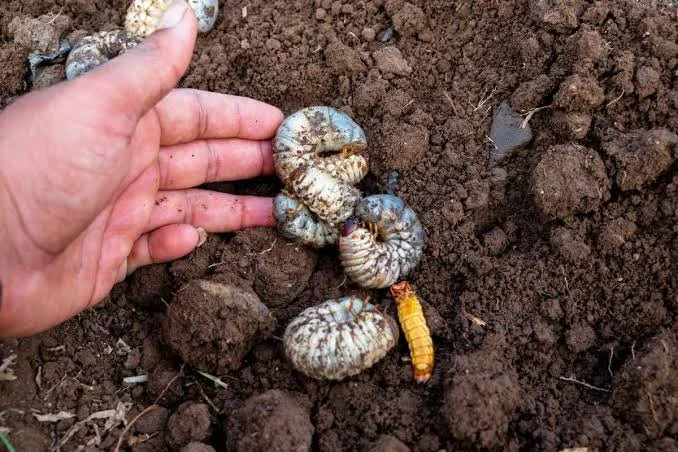
Starting With Observation, Not Treatment
The single most useful tool in natural pest management is simply walking your garden regularly and looking closely at leaves, stems, and buds. Many pest problems are caught early enough to manage with a strong blast of water or hand removal before they ever require a spray. I encourage homeowners to check the undersides of leaves specifically, since that's where aphids, mites, and their eggs most often hide. A few minutes of observation two or three times a week catches problems while they're still small and manageable.
Natural and Least-Toxic Approaches That Work
Insecticidal soap remains one of the most effective and garden-friendly options for soft-bodied pests like aphids and spider mites, working on contact without leaving harmful residues behind. Horticultural oil is another solid choice, particularly for scale and mite issues, though it should be applied in cooler parts of the day to avoid leaf burn in late-summer heat. Neem oil offers a broader-spectrum option and has the added benefit of disrupting pest feeding and reproduction cycles over time. For larger infestations like Japanese beetles, hand-picking into a bucket of soapy water each morning, while unglamorous, remains remarkably effective when done consistently.
Encouraging the Garden's Own Defenses
One of the best long-term strategies is simply supporting the beneficial insects already working on your behalf. Ladybugs, lacewings, and parasitic wasps all prey on common garden pests, and broad-spectrum pesticides tend to wipe out these allies right alongside the problem insects. Planting a diversity of flowering perennials nearby gives these beneficial insects the nectar and habitat they need to stick around through the season. A garden with healthy biodiversity tends to self-regulate pest populations far better than one treated aggressively at the first sign of trouble.
Why Plant Health Matters More Than Products
Stressed plants are consistently more attractive to pests than healthy, well-maintained ones, which is why proper watering, mulching, and seasonal pruning all play a role in pest prevention. Exeter's inland location means gardens here can see slightly more temperature swing and drought stress than immediate coastal properties, making consistent care even more important. A plant growing in appropriate light, with healthy soil and adequate moisture, simply has more resources to defend itself against insect pressure. This is one of the quiet advantages of ongoing professional garden care, since catching stress factors early prevents the pest problems that follow.
When to Bring in Professional Support
Most late-summer pest issues respond well to the steps above, but some situations call for a trained eye, particularly when damage is severe or the pest isn't easily identified. A professional assessment can distinguish between cosmetic damage that will resolve on its own and a genuine threat to a plant's long-term health. Getting an accurate diagnosis also prevents the common mistake of treating for the wrong pest entirely, which wastes time while the actual problem continues unchecked. Knowing when to intervene, and when to simply let a healthy garden manage itself, is part of what experience brings to fine gardening.
If pests have you second-guessing what's happening in your Exeter garden this season, Seacoast Gardener can help identify the issue and guide you toward natural, effective solutions that protect your plants and the beneficial insects working alongside them.
📞 (603) 770-5072 | 🌐 www.seacoastgardener.com
