Lawn Care Month in Rye: Fertilizing, Seeding, and Aeration
Lawn Care Month in Rye: Fertilizing, Seeding, and Aeration
Every September, I watch Rye homeowners look out at their lawns with a mix of hope and frustration. Summer has taken its toll. There are thin patches from the heat, bare spots from beach traffic and backyard games, and soil that feels hard as pavement underfoot.
The good news is that fall is the best time of the whole year to fix it. What you do for your lawn in the next few weeks will shape how it looks next May and June. With a little planning, you can turn a tired lawn into a thick, healthy one.
Why Fall Is the Season for Lawns
Most of the lawns on the Seacoast are cool season grasses, such as fescues, Kentucky bluegrass, and perennial ryegrass. These grasses grow most actively when days are mild and nights are cool. In late summer and early fall, they shift their energy into roots and new shoots.
In Zone 6b, the ideal window for seeding runs from late August into early October. The soil is still warm enough for seeds to sprout quickly, while cooler air reduces stress on young grass. Weeds like crabgrass are also dying back, so new seedlings face less competition.
In Rye, that window can stretch a little longer thanks to the ocean's warming influence in fall. Still, I encourage homeowners to finish seeding by the first week of October. Grass that sprouts too late may not be strong enough to survive its first winter.
Understanding Rye's Coastal Conditions
Rye lawns face challenges that inland lawns rarely see. Near Rye Beach, Wallis Sands, and along Ocean Boulevard, soils tend to be sandy and drain quickly. Salt spray and steady wind can burn grass blades and dry out the surface fast.
Farther inland, around Brackett Road and the neighborhoods near the marshes, you may find heavier soils that hold water and compact easily. Both conditions stress grass roots in different ways. Knowing which one you have helps you choose the right approach.
Rye also sits close to sensitive salt marshes and the ocean. That means fertilizing carefully is not just good for your lawn, it is good for the water we all enjoy. A thoughtful approach protects both your yard and the coastline.
Step One: Aerate Compacted Soil
Aeration is the step most homeowners skip, and it is often the one that matters most. Over time, foot traffic, mowing, and heavy rain press soil particles together. Roots struggle to grow, and water and air cannot reach them.
Core aeration pulls small plugs of soil from the lawn, opening channels for oxygen, water, and nutrients. Leave the plugs on the surface, and they will break down within a couple of weeks. For heavier soils, aerate every fall, while sandy coastal lawns may only need it every other year.
Aerate when the soil is moist but not soggy, ideally a day after a good rain. Dry, hard soil resists the machine, and wet soil can smear rather than open up. Timing it right makes a noticeable difference.
Step Two: Overseed Thin Areas
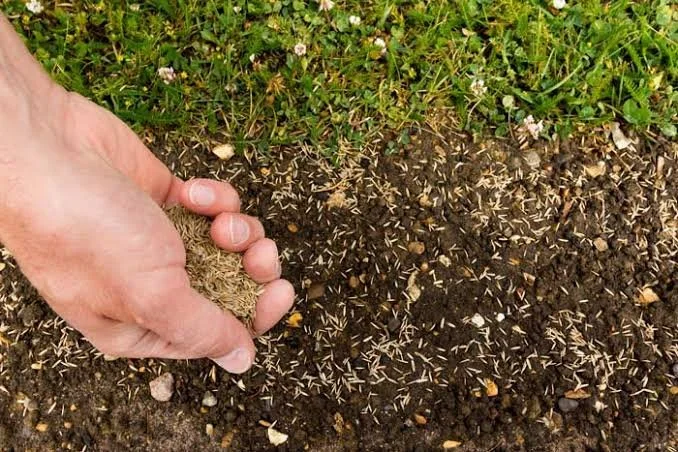
Aeration sets the stage perfectly for overseeding. The seed falls into the open holes and makes direct contact with soil, which greatly improves germination. Rake bare patches lightly before spreading seed so it has a loose bed to settle into.
Choose seed that fits your conditions. Fine fescues and tall fescue handle sandy, dry, and salty coastal sites better than most grasses. For sunny lawns with richer soil, a blend with Kentucky bluegrass fills in well over time.
Keep newly seeded areas consistently moist until the grass is up and growing. That usually means light watering once or twice a day for the first two to three weeks. Once seedlings reach mowing height, water more deeply and less often.
Step Three: Fertilize Wisely
Fall fertilizing helps grass build strong roots and store energy for winter. A slow release nitrogen fertilizer applied in September feeds the lawn gradually without sudden surges of growth. Always follow label rates, since more is not better.
New Hampshire limits phosphorus in lawn fertilizers unless you are establishing a new lawn or a soil test shows a need. A soil test through UNH Cooperative Extension is inexpensive and takes the guesswork out of feeding. It may also show that your soil needs lime, which is common with our acidic Seacoast soils.
Keep fertilizer off driveways, sidewalks, and any area near the marsh edge. Sweep stray granules back onto the grass. In Rye especially, a buffer of unfertilized ground near wetlands is a simple and responsible habit.
Finishing Touches for the Season
Continue mowing at about three inches through the fall. Taller grass shades out weeds and supports deeper roots. On your last mow of the season, you can drop the height slightly to reduce snow mold.
Keep leaves from matting down on the lawn, particularly over newly seeded areas. A thick layer of wet leaves can smother young grass within days. Rake or mulch them regularly through October and November.
This is also a good time to clean up lawn edges, weed garden beds, and refresh mulch around shrubs and ornamental trees. A crisp edge between lawn and bed makes the whole property look cared for. It also keeps grass from creeping into your planting areas.
Let Seacoast Gardener Help
A healthy lawn is the frame that sets off your gardens, shrubs, and trees. If you would like help getting your Rye property ready for winter, from bed edging and weeding to mulching and fall pruning, we would be glad to lend our experience. Seacoast Gardener brings careful, knowledgeable care to homes along the Seacoast.
Reach out this fall and let us help your whole landscape look its best next spring.
📞 (603) 770-5072 | 🌐 www.seacoastgardener.com
