Pruning Hydrangeas and Roses Before Winter (Guidelines to prevent snow load breakage)
Why Winter Pruning Matters for Shrubs on the Seacoast
As autumn settles across the Seacoast, gardeners begin the important work of preparing shrubs for winter. Hydrangeas and roses are two beloved plants that benefit from thoughtful late season pruning, especially in a climate like Zone 6b where heavy, wet snow can weigh down branches. Snow load and winter wind can easily split or break poorly supported stems, leaving plants stressed when spring arrives. With gentle shaping and proper timing, you can protect these shrubs and encourage healthier, more beautiful growth next season.
Understanding Hydrangea Types Before Pruning
Before you make the first cut, it is essential to know which type of hydrangea you are growing. Different varieties bloom on old wood, new wood, or a combination of both, and this determines how much pruning is appropriate in fall. Hydrangea paniculata and Hydrangea arborescens, common across Portsmouth, Rye, and North Hampton, bloom on new wood and tolerate late season pruning well. Bigleaf hydrangeas (Hydrangea macrophylla), more common in sheltered yards in Exeter and Kittery, bloom on old wood and require a gentler approach.
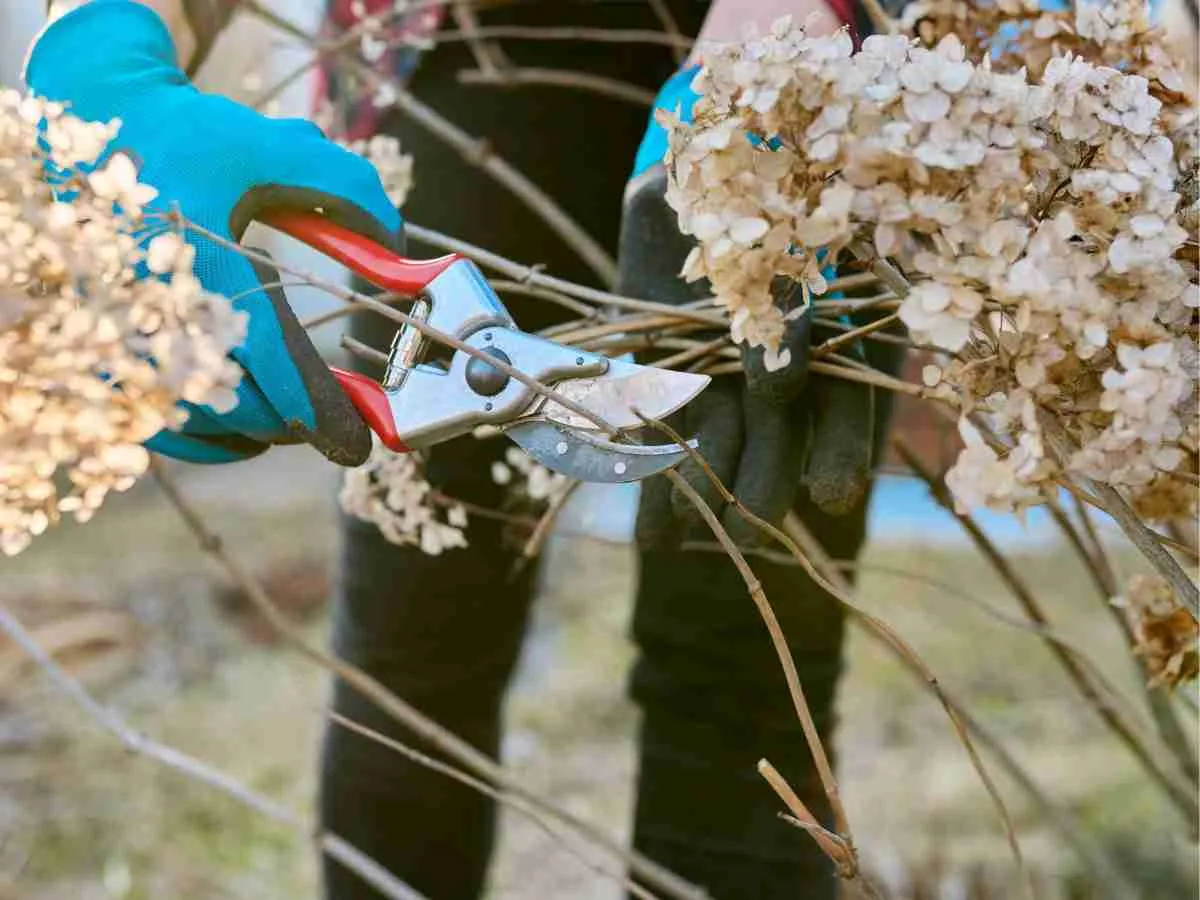
Late Season Guidelines for Panicle and Smooth Hydrangeas
Panicle hydrangeas, such as Limelight and Quick Fire, and smooth hydrangeas like Annabelle can be lightly pruned in late fall once blooms have faded. Remove spent flower heads to prevent snow from accumulating on them, which reduces the risk of branch breakage. You can also shorten long or awkward stems to create a balanced structure for winter. Avoid heavy pruning until late winter or early spring when new growth begins.
Caring for Bigleaf Hydrangeas Before Winter
Bigleaf hydrangeas require a softer touch because their flower buds for next year have already formed. Focus on removing only dried flower heads and any damaged, crossing, or dead stems. Avoid cutting back the main structure or you may remove next season’s blooms. A little shaping now helps the shrub withstand coastal winds, especially in areas like Hampton or Dover where winter storms can be forceful.
When to Stop Pruning Hydrangeas
Once the first hard frost arrives, it is best to pause pruning until late winter. Cutting too late in fall can push fragile new growth that will not survive the cold. By shaping your hydrangeas earlier in the season, you give them time to settle into dormancy naturally. This creates stronger, healthier shrubs when warm weather returns.
Preparing Roses for Winter Pruning
Roses appreciate fall pruning to protect them from winter weather. Many gardeners across the Seacoast grow hybrid teas, floribundas, shrub roses, and climbing varieties, each of which benefits from different pruning techniques. The main goal in late fall is not to encourage new growth but to prevent snow and wind damage. Think of this as protective pruning rather than shaping for blooms.
How to Prune Shrub Roses
Shrub roses are forgiving and easy to prepare for winter. Begin by removing any diseased or dead stems to prevent fungal issues from lingering through winter. Next, trim overly long canes to about one third of their height to prevent wind rock and breakage under snow. Clean up fallen leaves around the base, especially in Portsmouth and Rye where damp winter weather can increase disease pressure.
Late Season Care for Hybrid Teas and Floribundas
Hybrid teas and floribunda roses benefit from a simple fall cleanup. Remove spent blooms, cut away weak or crossing stems, and lightly shorten long canes. You do not need to shape the rose fully until late winter or early spring. These small steps reduce breakage during winter storms and give your roses a cleaner, healthier start in spring.
How to Prepare Climbing Roses for Snow Load
Climbing roses are particularly vulnerable to winter wind and snow because their long canes act like sails. Secure canes to sturdy supports such as trellises or arbors, and remove any damaged or extremely long shoots. This keeps canes from whipping or snapping during storms common in coastal towns like York and Kittery. Do not prune heavily now, since climbers perform best with shaping in early spring.
Mulching and Protecting the Base of Shrubs
Once pruning is complete, mulch the base of your hydrangeas and roses with two to three inches of shredded bark or leaf mulch. Mulch helps regulate soil temperature and protects the crown from freeze thaw cycles. In colder pockets of the Seacoast, such as New Castle or inland Exeter, this insulation is particularly helpful. Keep mulch slightly away from the stems to allow airflow and prevent rot.
Avoiding Common Winter Pruning Mistakes
Many homeowners are tempted to prune too much in fall, which can lead to fewer blooms the following year, especially on bigleaf hydrangeas. Avoid cutting hydrangeas back to the ground in fall, as this removes essential structure for snow stability. Do not leave large flower heads on panicle hydrangeas where heavy snow can pull stems down. Small, careful cuts make the biggest difference in winter resilience.
Why Good Pruning Supports Spring Growth
Pruning before winter is like setting a strong foundation. When your shrubs are structurally sound, they handle winter stress better and emerge healthier in spring. Proper pruning increases airflow, improves branch spacing, and strengthens stems so they can support new growth. These simple steps protect your investment and ensure your shrubs thrive year after year.
How Seacoast Gardener Can Help With Fall Pruning
Pruning hydrangeas and roses properly takes knowledge, timing, and a careful hand. Seacoast Gardener offers expert pruning, shrub care, fine gardening, and seasonal maintenance across Portsmouth, Rye, Exeter, North Hampton, and surrounding communities. We understand the unique challenges of coastal winters and tailor our care to each shrub’s needs.
Let Seacoast Gardener Prepare Your Shrubs for Winter
If you want your hydrangeas and roses to stay strong through winter and bloom beautifully next season, Seacoast Gardener is here to help. With skilled pruning, thoughtful seasonal care, and deep knowledge of Zone 6b conditions, we can keep your garden healthy and stunning year round. Reach out to schedule your fall pruning and give your shrubs the protection they deserve.
Contact Information:
Seacoast Gardener — (603) 770-5072 | www.SeacoastGardener.com
Expert Pruning — (603) 996-3867 | www.ExpertPruning.com