Storing Seeds and Bulbs for Next Year How to keep your favorite varieties healthy, dry, and ready for next season
Why Seed and Bulb Storage Matters
As the gardening season winds down across the Seacoast, many homeowners begin gathering seeds and lifting bulbs with hopes of enjoying the same blooms and harvests next year. Proper storage makes all the difference in whether those seeds sprout or those bulbs reawaken in spring. Our coastal climate in Zone 6b brings humid summers, damp falls, and freeze thaw cycles, all of which can shorten the life of stored plant material if not handled correctly. With a little preparation, your seeds and bulbs can stay viable and healthy until planting time.
Choosing the Right Seeds to Save
Not all seeds save equally well. Heirloom and open pollinated varieties are the best choices because they grow true to the parent plant. Hybrid varieties may not produce the same flowers or vegetables next year. When saving seeds in towns like Portsmouth or Rye, choose fully mature seed heads from healthy plants that showed no signs of disease or pest damage.
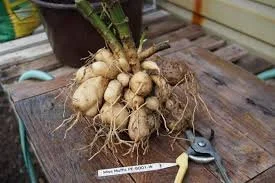
How to Harvest Seeds & Bulbs Perfecly
Seeds should be collected when they are dry, firm, and fully developed. For flowers such as coneflower or cosmos, wait until seed heads turn brown and begin to loosen. For vegetables like beans or peas, pods should rattle when shaken. Harvesting at the correct stage ensures the seeds contain the nutrients and energy needed to germinate in spring.
Cleaning and Drying Seeds Before Storage
Once harvested, remove chaff and plant debris so seeds can dry evenly. Spread them on a plate or paper towel in a warm, airy space for about a week. This step is important in the Seacoast region where fall humidity can linger, especially in coastal towns like Hampton and North Hampton. Fully dried seeds store longer and are less likely to mold.
Choosing Containers for Seed Storage
Seed longevity depends greatly on keeping them dry. Use paper envelopes, small glass jars, or resealable plastic bags with a bit of silica gel for moisture control. Label everything clearly with the plant name and the year collected. Store seeds in a cool, dark place such as a basement shelf or a closet away from heating vents.
How Long Seeds Will Last
Most seeds remain viable for one to three years, though some, like tomatoes and marigolds, keep longer. Others, such as onions or parsley, have a shorter life span. Checking your stored seeds in winter and early spring helps you spot any moisture issues before planting time. With good storage practices, you will have strong seeds ready to sow in the first warm weeks of April and May.
Why Fall Is a Good Time to Lift Bulbs
Bulbs like dahlias, gladiolus, and cannas cannot survive a New Hampshire winter outdoors. As soon as frost blackens the foliage, it is time to lift them. Using a garden fork, gently loosen the soil and lift each clump, shaking off excess soil. Allow the bulbs to cure in a sheltered, airy location for several days before storing.
Cleaning and Preparing Bulbs for Winter
After curing, trim off any remaining stems and inspect bulbs for soft spots or signs of rot. Healthy bulbs should feel firm. Removing loose outer layers is fine, but avoid peeling too deeply. Bulbs from gardens in coastal towns like Kittery or York may hold extra moisture due to fall rains, so let them dry longer if needed.
Storing Bulbs in the Right Environment
Bulbs prefer cool, dark, and slightly humid environments. Line shallow boxes with newspaper or peat moss and place bulbs inside without letting them touch. Ideal storage temperatures range from forty to fifty degrees. A basement or unheated garage in Exeter or Dover often works well, as long as temperatures remain above freezing.
Labeling and Organizing Bulbs for Spring
When spring arrives, you will be glad you labeled your bulbs clearly. Include variety names and bloom colors so you can plan your garden design. Organizing bulbs by height or bloom time makes replanting easier and helps you create layered, coordinated beds. A little extra effort in fall leads to a more beautiful garden next season.
Checking Stored Bulbs Through Winter
It is good practice to check your stored bulbs once a month. Remove any that show signs of rot so they do not spread to others. If bulbs look too dry, lightly mist the packing material. If they seem too damp, add more dry peat moss or shredded newspaper. These small checks help ensure healthy bulbs for replanting.
Using Stored Seeds and Bulbs in Spring Garden Plans
Seeds and bulbs saved from your own garden often perform better because they are already adapted to local conditions. They tend to sprout earlier and grow stronger in the coastal soils and climate of Zone 6b. When combined with spring mulching, shrub care, and thoughtful bed preparation, your saved plant material becomes part of a healthier, more resilient landscape.
Preparing Beds for Spring Replanting
Before planting saved seeds or bulbs, refresh your soil with compost and check drainage in beds that may have compacted over winter. Sandy soils near the coast benefit from added organic matter, while heavier inland soils may need loosening and mulching. Proper bed preparation supports strong root growth and sets you up for a full, colorful growing season.
How Seacoast Gardener Can Help with Seasonal Care
Gardeners across Portsmouth, Rye, Exeter, and surrounding Seacoast areas often look for support with seasonal cleanup, mulching, pruning, and planning. Seacoast Gardener can help you lift bulbs, clean beds, improve soil structure, and prepare your garden for next year’s growth. Our fine gardening services are tailored to the coastal climate and conditions unique to Zone 6b.
Let Seacoast Gardener Prepare Your Garden for a Beautiful Next Season
If you want to store seeds and bulbs properly and set your garden up for success, Seacoast Gardener is here to guide you. From seasonal maintenance to detailed planting plans, our team brings expertise and care to every landscape. Reach out today to get your garden ready for a vibrant, thriving spring.
Contact Information:
Seacoast Gardener — (603) 770-5072 | www.SeacoastGardener.com