Preparing Garden Beds for Snow Cover (Protect and enrich soil with compost, mulch, and cover crops)
Why Winter Preparation Matters for Seacoast Gardens
As temperatures drop across the Seacoast, many gardeners shift their attention indoors. But late fall is one of the most important times to prepare your garden beds before the first snowfall. The freeze thaw cycle typical of Zone 6b can be tough on soil structure, plant roots, and beneficial organisms. With a few thoughtful steps, you can protect your beds all winter and ensure your garden wakes up healthier in spring.
Understanding the Role of Snow Cover
Snow is often called “the poor gardener’s mulch” because it provides insulation and moisture throughout winter. But without good preparation beneath that snow, your soil can still suffer from erosion, nutrient loss, and compaction. Garden beds in coastal towns like Rye, Portsmouth, and Hampton are especially vulnerable due to winter winds and shifting temperatures. Preparing your beds before snow arrives helps lock in nutrients and shield your soil from the elements.
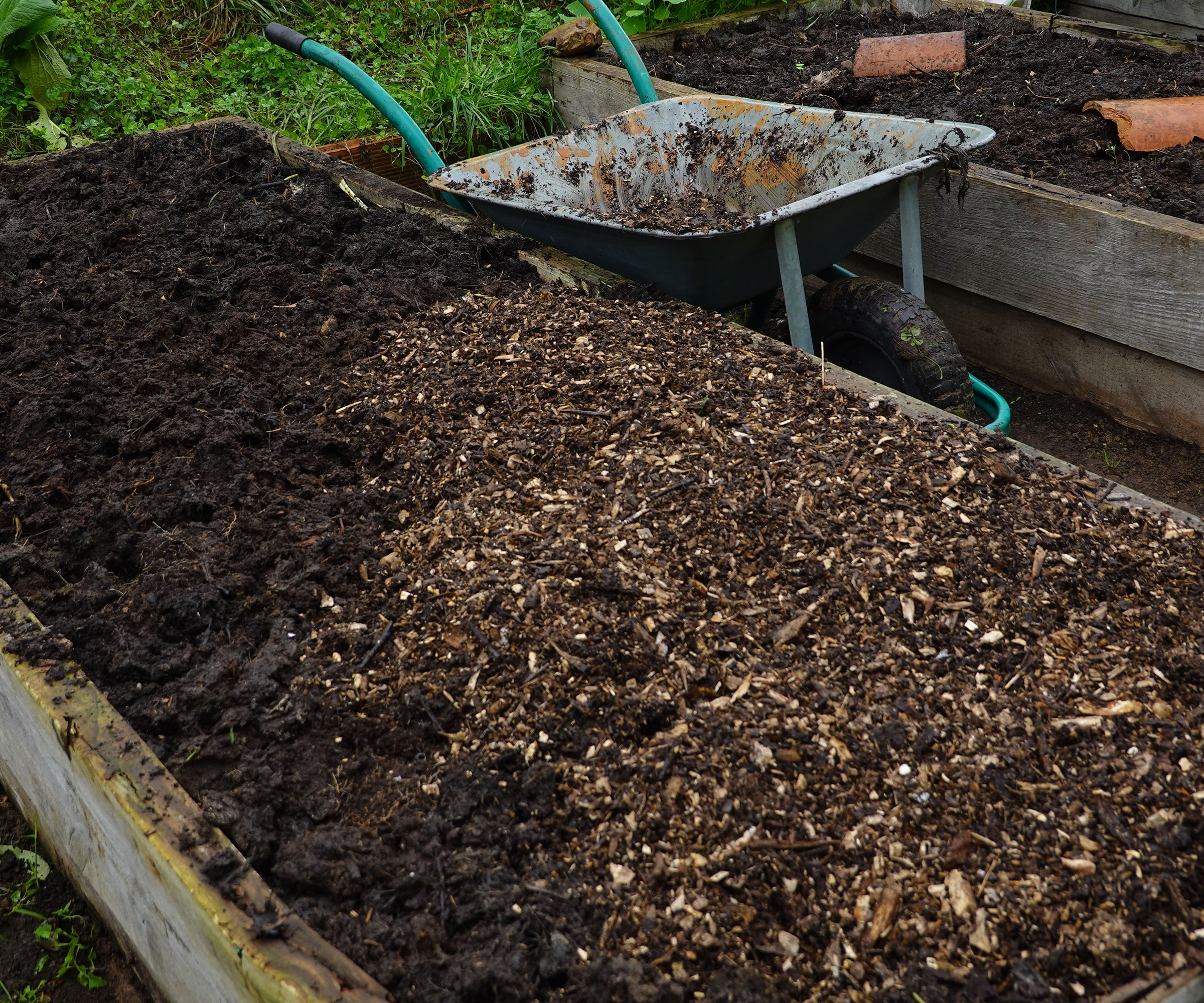
Adding Compost Before the Ground Freezes
One of the simplest and most beneficial steps you can take is to spread a layer of compost across your garden beds in late fall. Compost replenishes nutrients, improves soil structure, and strengthens root systems for the following growing season. In areas with sandy soils, such as parts of North Hampton and Seabrook, compost helps retain moisture during winter and early spring. Spread one to two inches evenly across the soil, letting winter’s natural processes work it in.
Why Fall Is Ideal for Composting
Cooler temperatures slow decomposition, but winter moisture helps compost gradually filter into the soil layers. By spring, your beds will be enriched and ready for planting without the heavy labor of early season digging. This step also reduces winter erosion by keeping soil particles in place. Think of fall composting as giving your garden a nourishing blanket before the snow arrives.
Mulching to Protect Roots and Soil
Mulch is essential for preserving moisture, preventing compaction, and regulating soil temperature through winter. A layer of two to three inches of shredded bark, leaves, or pine needles can make a significant difference. In towns like Exeter and Greenland, where winds can be strong, mulch helps anchor soil and protect dormant roots from exposure. Keep mulch pulled back slightly from the base of shrubs and perennials to prevent excess moisture buildup.
Choosing the Right Mulch for Coastal Gardens
Leaf mulch works wonderfully in most ornamental and vegetable beds and breaks down naturally over the season. Pine needles are a great choice for acid loving plants like blueberries and rhododendrons. Wood chips offer long lasting coverage for pathways or shrub borders. Selecting mulch that matches your plant needs ensures your garden benefits both aesthetically and structurally.
Introducing Cover Crops for Soil Health
Cover crops are one of the best tools for building stronger soil. These temporary plantings grow quickly in fall, covering bare soil and protecting it from erosion, weeds, and nutrient loss. Varieties like winter rye, crimson clover, and hairy vetch perform well in Zone 6b and adapt easily to the Seacoast’s coastal influences. By spring, they can be cut back and worked into the soil to add valuable organic matter.
How Cover Crops Improve Soil Structure
Cover crops keep living roots in the soil during winter, which helps maintain microbial activity. These roots also prevent compaction, especially in heavier soils that can freeze solid in Portsmouth or York. When turned under in spring, cover crops enrich the soil with nitrogen and organic matter, reducing the need for chemical fertilizers. It is an environmentally friendly way to strengthen your garden from the ground up.
Preparing Perennial Beds for Snow
Perennial beds benefit greatly from gentle fall cleanup paired with protective layers. Cut back plants that are prone to rot, but leave seed heads from coneflower, sedum, and ornamental grasses to feed birds and add winter interest. Once the beds are tidied, apply compost and mulch around the base of perennials and shrubs. This approach supports the health of your plants while preserving habitat for overwintering beneficial insects.
Caring for Shrubs and Ornamental Trees
Shrubs and ornamental trees also appreciate soil protection before winter. Mulch the root zones, especially for recently planted trees in Rye, Exeter, or Kittery. Avoid piling mulch against trunks, as this can invite moisture related problems. These simple steps help your woody plants enter winter strong and emerge ready for spring growth.
Why Soil Protection Reduces Spring Work
When beds are properly prepared in fall, you will notice an easier transition into spring gardening. Soil stays looser, drains more effectively, and warms up more quickly. You reduce the need for heavy turning or deep soil correction once the snow melts. A well prepared bed also gives early spring bulbs and perennials the best possible start.
Common Mistakes to Avoid
Do not apply mulch too thickly, as overly deep layers can trap moisture. Avoid using fresh grass clippings or unaged manure, which can heat up or encourage fungal growth. Make sure cover crops are planted early enough in fall to establish before frost. Small adjustments ensure winter protection does exactly what it is meant to do.
How Seacoast Gardener Helps Prepare Beds for Winter
Preparing garden beds for winter can be a large task, especially for homeowners managing multiple plantings or large landscapes. Seacoast Gardener provides expert bed preparation, mulching, shrub care, pruning, and seasonal soil improvements tailored to the unique conditions of the Seacoast. With experience across Portsmouth, Rye, Exeter, and North Hampton, we understand how coastal winters shape garden health.
Let Seacoast Gardener Protect Your Soil and Support Next Year’s Growth
If you want your garden beds to stay healthy and protected through winter, Seacoast Gardener is here to help. Our fine gardening services ensure your soil is enriched, your plants are insulated, and your landscape stays beautiful year round. Reach out today to prepare your beds before the first snow and give your garden the best foundation for spring.
Contact Information:
Seacoast Gardener — (603) 770-5072 | www.SeacoastGardener.com