Supporting Birds and Beneficial Insects with a Wildlife Friendly Garden
Why Wildlife Needs Our Gardens More Than Ever
Here on the Seacoast, our landscapes are more than places of beauty. They are part of a living network that supports birds, pollinators, and countless beneficial insects that help keep our gardens balanced. As more natural habitats give way to development from Portsmouth to North Hampton, the role of home gardens has grown more important. By making a few thoughtful choices, any yard can become a refuge that offers food, shelter, and nesting sites year round.
The Power of Leaving Seed Heads Through Winter
Many gardeners love a tidy winter landscape, but leaving seed heads standing can make a meaningful difference to backyard wildlife. Plants like coneflower, black eyed Susan, and native grasses hold seeds that feed birds all winter long. Goldfinches, chickadees, sparrows, and juncos depend on these natural food sources in cold months when insects are scarce. Plus, seed heads add beauty and texture to the winter garden while supporting biodiversity.
How Seed Heads Benefit Beneficial Insects
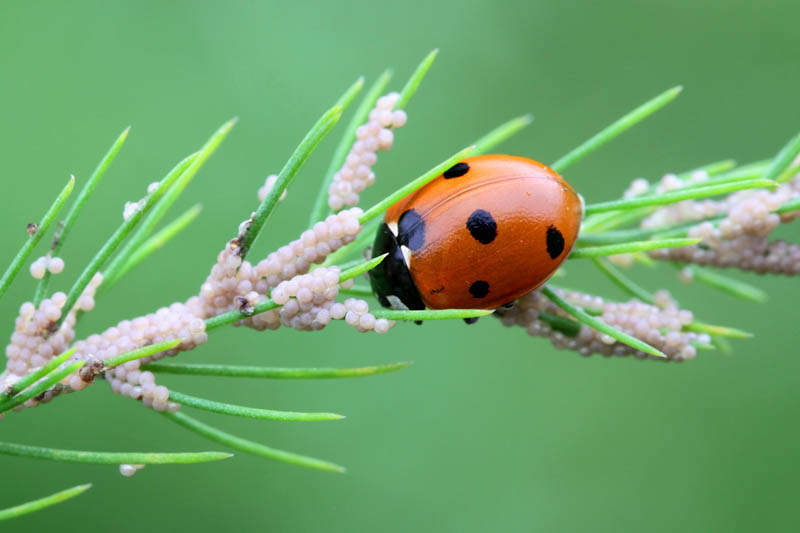
Seed heads do more than feed birds. Hollow stems and sturdy stalks provide shelter for overwintering pollinators such as native bees and lacewings. Some beneficial insects tuck themselves into the dried plant material for protection against freezing temperatures, especially in Zone 6b where winter conditions can fluctuate dramatically. Keeping these stems until spring helps preserve the next generation of natural pest control for your garden.
Leaf Litter as a Living Ecosystem
Leaf litter is one of the most valuable and overlooked resources in the home landscape. A thin layer of leaves insulates soil, enriches organic matter, and shelters countless small insects. These insects and larvae become an important food source for birds during the colder months, especially in towns like Rye and Exeter where forest edges meet residential neighborhoods. By allowing leaves to remain in garden beds, you support the entire food web.
Where to Keep Leaves and Where to Remove Them
While it is helpful to leave leaf litter in garden beds, around shrubs, and under ornamental trees, you can still clear leaves from lawns and walkways to maintain a tidy appearance. Rake leaves into planting beds or mulch them lightly so they can break down naturally. Avoid removing every leaf from your landscape, as doing so removes habitat for overwintering butterflies, moths, and other beneficial insects. Striking a balance keeps your yard beautiful and ecologically supportive.
Native Plants as the Foundation of a Wildlife Garden
Native plants are uniquely suited to the climate and soils of the Seacoast and play a key role in sustaining wildlife. They offer nectar, pollen, berries, and seed that birds and insects recognize and rely on. Plants like New England aster, goldenrod, winterberry, bayberry, and native grasses thrive in the coastal conditions of Portsmouth, Kittery, and York. Their deep root systems improve soil health and help your garden stay resilient in changing weather.
Why Native Plants Support More Species
Insects have evolved alongside native plants, which means many pollinators depend on specific native species for survival. When you include more natives in your landscape, you naturally attract butterflies, bees, and beneficial insects that support the entire ecosystem. Birds then benefit from the abundance of insects during nesting season and from berries and seed in fall and winter. It is a cycle of life that begins right in your own backyard.
Designing Wildlife Friendly Garden Beds
Creating a wildlife friendly garden does not mean sacrificing structure or beauty. You can design beds that include native shrubs for berries, perennials for seed heads, and ground layers for shelter. Mix evergreen shrubs like inkberry or native holly with flowering perennials such as rudbeckia, monarda, and Joe Pye weed. Add areas of leaf litter under ornamental trees to complete a layered habitat that supports wildlife across all seasons.
Pruning with Wildlife in Mind
Pruning is an important part of garden care, but timing matters when supporting birds and insects. Avoid heavy cutbacks in fall, especially of plants that offer winter seed or shelter. Save major pruning for late winter or early spring in towns like Greenland and North Hampton when insects are still dormant and birds have finished feeding on seed heads. This gentle approach protects habitat while keeping your landscape healthy and well shaped.
Mulching to Enhance Soil and Habitat
A natural mulch layer works hand in hand with leaf litter to build soil health. Mulch helps retain moisture, regulate soil temperature, and encourage the breakdown of organic matter. When combined with leaves and native plant debris, it creates an environment where fungi, insects, and microorganisms can thrive. These small creatures support the birds and pollinators you want in your garden.
Balancing Clean Up with Ecological Care
Many homeowners prefer some level of tidiness, which is completely achievable without stripping the garden of its natural resources. Focus your cleanup on high traffic areas such as walkways and lawns while allowing garden beds to remain more natural through winter. Leaving stems, seed heads, and leaves gives wildlife a place to feed and shelter until spring. A balanced approach keeps your garden functional, beautiful, and alive with activity.
Preparing Beds for Spring Without Harm
When spring arrives, wait until daytime temperatures stay consistently above fifty degrees before removing leaf litter and cutting back stems. This gives overwintering insects time to emerge. You can then prune perennials, top dress beds with compost, and refresh mulch. These gentle seasonal practices enhance plant health while continuing to support wildlife.
How Seacoast Gardener Helps Build Wildlife Friendly Landscapes
Creating a habitat rich yard requires thoughtful plant choices, smart pruning, and careful seasonal timing. Seacoast Gardener offers expert fine gardening, native plant selection, pruning, mulching, shrub care, and maintenance across Portsmouth, Rye, Exeter, and surrounding Seacoast communities. Our work ensures your landscape thrives while supporting the birds and insects that bring life to your garden.
Let Seacoast Gardener Help You Create a Thriving Habitat
If you want a garden that supports wildlife year round while staying beautiful, healthy, and well tended, Seacoast Gardener is ready to help. From designing native plant beds to seasonal pruning and habitat friendly maintenance, our team offers the experience your landscape deserves. Reach out to begin creating a garden that welcomes birds, beneficial insects, and natural beauty in every season.
Contact Information:
Seacoast Gardener — (603) 770-5072 | www.SeacoastGardener.com
Expert Pruning — (603) 996-3867 | www.ExpertPruning.com