Prepping Seed Trays and Grow Lights for a Strong Start-A Late Winter Seedling Setup Guide for the Seacoast
How to Set Up Seedlings for a Strong Start
Late winter on the Seacoast is a season of quiet work. While gardens in Portsmouth, Rye, Exeter, and North Hampton still rest under cold soil, experienced gardeners are already preparing indoors. This is when careful setup makes all the difference between weak seedlings and plants that thrive once spring arrives. As a Master Gardener working in Zone 6b, I see the same issues every year. Most seedling problems are not about bad seeds. They come from rushed setups, poor lighting, inconsistent watering, or tired soil mixes. Getting your trays and lights right from the start saves time, money, and frustration later.
Why Seedling Setup Matters in the Seacoast Climate
Southern New Hampshire and Southern Maine have long, cool springs and unpredictable weather. Outdoor soil warms slowly, especially in coastal areas influenced by ocean air. That means many vegetables, annuals, and perennials rely on indoor starts to reach planting size on time. Healthy seedlings are better able to handle cool soil, wind, and light frost. Weak or stretched plants struggle from day one and never quite catch up. A good indoor setup gives plants resilience, not just a head start. Seed starting is not about fancy equipment. It is about thoughtful preparation and consistency.
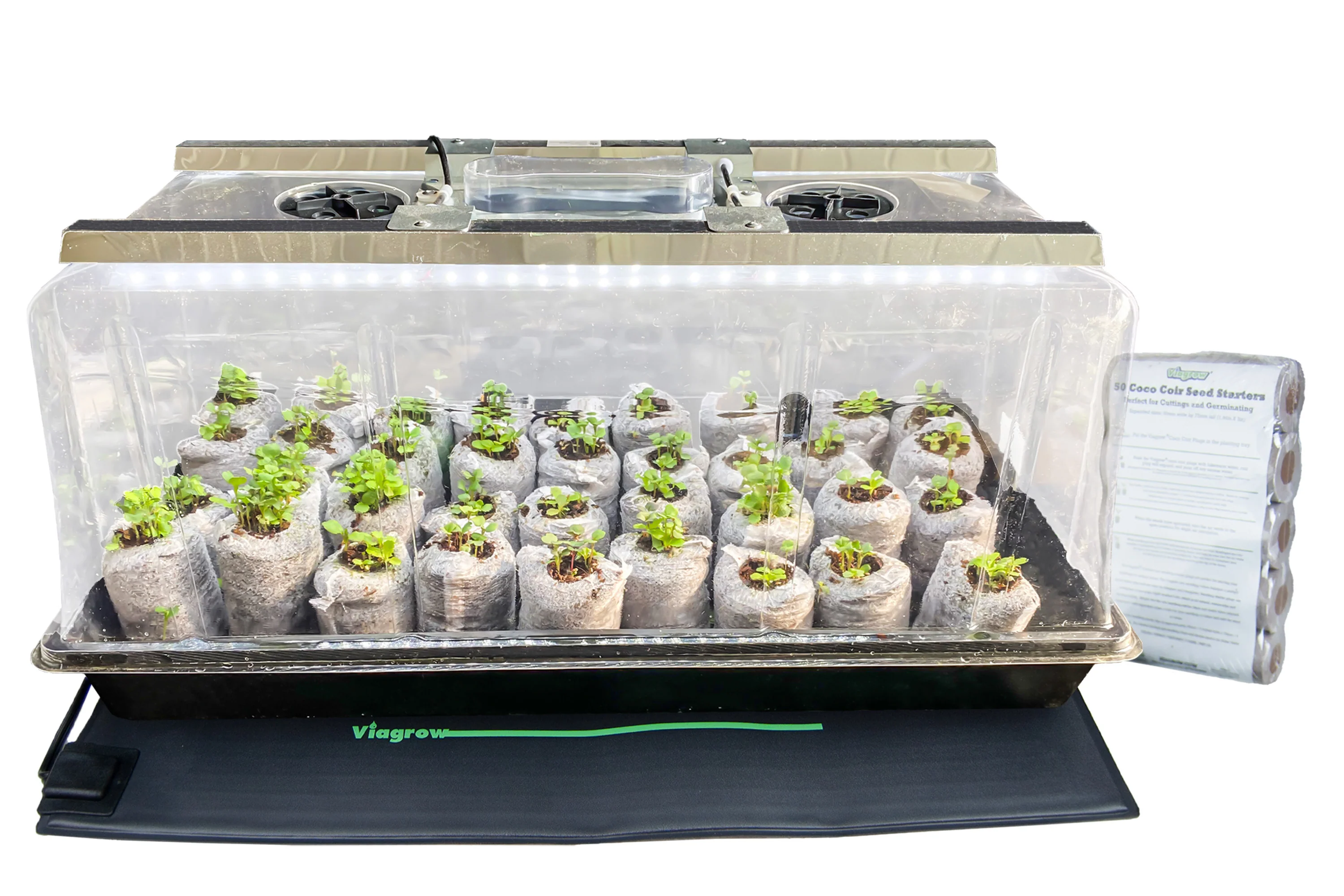
Choosing the Right Seed Trays and Containers
Start with clean containers every season. Reusing trays is fine, but they should be scrubbed and disinfected to prevent disease. Old soil residue is one of the most common sources of damping off and fungal problems. Cell trays work well for most vegetables and flowers. Larger cells are better for crops that stay indoors longer, while smaller cells suit fast growing plants. Drainage holes are essential, as roots need air as much as they need moisture. Avoid containers that are too deep or too shallow. Balanced root space helps seedlings develop evenly and reduces stress during transplanting.
Soil Mix Basics for Strong Roots
Seedlings need a light, sterile growing medium. Garden soil is too dense and often carries pathogens that harm young plants. A quality seed starting mix supports root growth while holding enough moisture for even germination.
In the Seacoast, where outdoor soils are often sandy or loamy, indoor mixes should balance drainage with water retention. Look for blends designed specifically for seed starting rather than general potting soil.
Do not pack soil tightly into trays. Gently fill and level so roots can move easily through the mix. Firming lightly is enough.
Setting Up Grow Lights Correctly
Light is the most critical factor for healthy seedlings. A sunny window is rarely enough in late winter, especially this far north. Grow lights provide consistent intensity and duration that natural light cannot match in February and March. Lights should be positioned close to seedlings, usually just a few inches above the leaves. As plants grow, raise the lights to maintain that distance. This prevents stretching and promotes sturdy stems. Aim for fourteen to sixteen hours of light per day. Consistent timing helps seedlings develop strong structure and healthy growth patterns.
Watering Systems That Prevent Common Problems
Overwatering is one of the most common mistakes gardeners make. Seedlings need consistent moisture, but soggy soil leads to root rot and disease. Good drainage and careful watering go hand in hand. Bottom watering works well for many setups. Place trays in shallow water and allow moisture to wick up through the soil. This encourages deeper root growth and keeps foliage dry. If watering from above, use a gentle spray. Avoid washing soil away from roots or compacting the mix.
Air Circulation and Temperature Control
Seedlings benefit from gentle air movement. A small fan set on low strengthens stems and reduces fungal issues. This simple step mimics outdoor conditions and prepares plants for life outside. Temperature also matters. Most seedlings prefer cooler conditions after germination. Warm rooms combined with low light cause leggy growth that is hard to correct. Aim for steady, moderate temperatures that reflect early spring rather than summer heat.
Timing Seed Starting With the Rest of the Garden
Indoor seed starting works best when it fits into the broader seasonal plan. Late winter is also the time to schedule pruning, shrub care, ornamental tree maintenance, and early weeding strategies. All of these tasks support plant health throughout the landscape. Proper pruning improves light and airflow, which benefits both ornamental beds and vegetable gardens. Planning mulch application now ensures soil protection once seedlings are transplanted outdoors. Gardens function as systems, not separate tasks. Seedlings thrive when the entire landscape is managed with intention.
Local Experience Makes a Difference
Every Seacoast garden has its own challenges. Salt exposure, wind patterns, soil structure, and sun angles vary from yard to yard. What works well in Exeter may need adjustment in coastal Portsmouth or Rye. At Seacoast Gardener, we help homeowners bring all these pieces together. From fine pruning and shrub care to seasonal planning, we focus on timing, plant health, and long term success.
📞 (603) 770-5072 | 🌐 www.seacoastgardener.com