How to Make Winter Compost Work in the Seacoast Garden
How to Make Winter Compost Work in the Seacoast Garden
Winter composting often gets overlooked here along the Seacoast, but it can quietly do some of the most important work of the year. In Portsmouth, Rye, Exeter, and North Hampton, our soils in Zone 6b benefit greatly from steady organic matter, especially after a growing season that puts a lot of demand on shrubs, ornamental trees, and garden beds. As a Master Gardener, I like to think of winter compost as preparation rather than production. It is not about speed. It is about setting the stage for healthier plants come spring.
Understanding Winter Compost in Coastal New England
Cold temperatures slow decomposition, but they do not stop it completely. Even under snow, microbes continue working whenever conditions allow. Along the Seacoast, we often experience freeze and thaw cycles that help break materials down gradually. This slow process creates stable, nutrient rich compost that improves soil structure without shocking plant roots.
Our local soils tend to be sandy or loamy with pockets of clay, especially closer to the coast. Compost helps balance all of these soil types by improving drainage while still holding moisture. That is especially valuable for ornamental trees and shrubs that need consistent conditions to survive winter stress.
What to Compost During the Winter Months
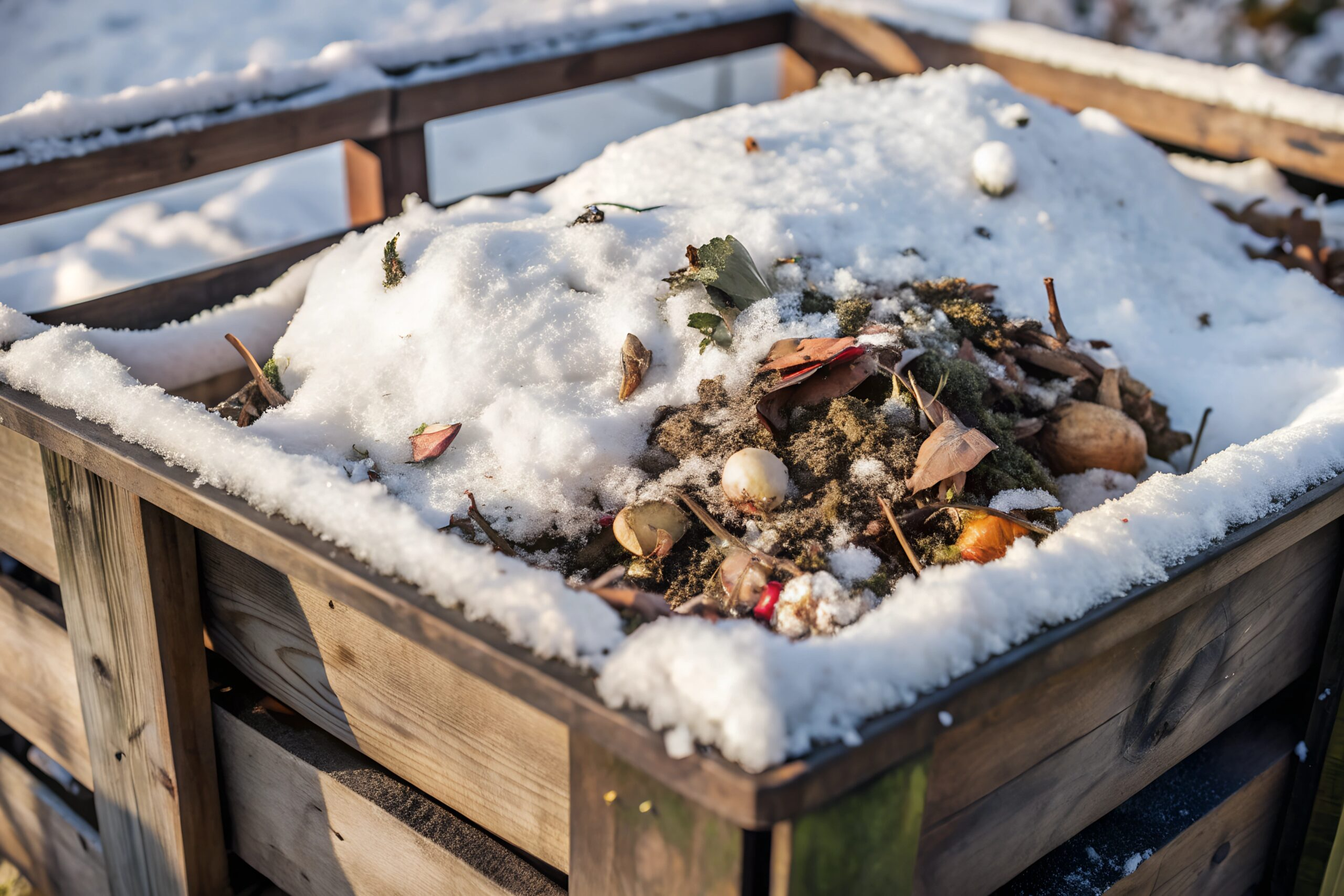
Winter composting works best when you focus on the right materials. Kitchen scraps like vegetable peels, coffee grounds, and eggshells continue to add nitrogen. From the garden, fall leaves, spent annuals, and finely chopped perennial trimmings provide carbon. Avoid adding diseased plant material, especially after a wet Seacoast fall.
Woody prunings from shrubs and small ornamental trees should be chipped or cut into small pieces before adding them. Large branches break down very slowly and can stall the compost pile. Professional pruning services often manage this material carefully so it can be reused or composted efficiently.
How to Prepare Your Compost Pile for Winter
Preparation makes all the difference. Before the ground freezes, turn the compost pile one last time to mix materials evenly. This helps trap heat and moisture inside the pile. Adding a final layer of leaves or straw on top acts as insulation and protects beneficial microbes.
Location matters in winter. Place your compost bin where it gets some sun and is protected from harsh coastal winds. In areas like Rye and North Hampton, wind off the ocean can dry piles out quickly, even in cold weather.
Managing Moisture in Cold Conditions
Moisture is often overlooked during winter composting. Snow alone is not enough to keep compost active. If the pile becomes too dry, decomposition slows significantly. During mild spells, lightly water the pile if it feels dry to the touch.
At the same time, avoid waterlogged conditions. Poor drainage can lead to anaerobic compost, which smells unpleasant and breaks down poorly. This is where good garden design and soil awareness matter. Composting mirrors healthy garden soils that balance air, water, and organic matter.
How Winter Compost Supports Pruning and Shrub Care
Winter compost plays a key role in pruning and shrub care strategies. When compost is ready in early spring, it can be applied as a top dressing around shrubs and ornamental trees that were pruned during dormancy. This supports strong regrowth without forcing rapid, weak shoots.
In Portsmouth and Exeter landscapes, compost improves soil resilience around hedges and foundation plantings. It helps roots recover from pruning stress and prepares plants for the growing season ahead. Used properly, compost complements skilled pruning rather than replacing it.
Mulching With Compost in Late Winter and Early Spring
One of the best uses for winter compost is mulching. As snow melts and soil begins to thaw, a thin layer of finished compost protects roots and moderates soil temperature. This is especially helpful for young shrubs and recently planted ornamental trees.
In Zone 6b, timing is important. Apply compost mulch once the ground is workable but before active growth begins. This allows nutrients to move into the soil naturally without disturbing dormant root systems.
Common Winter Compost Mistakes to Avoid
A common mistake is assuming composting stops entirely in winter. When piles are ignored for months, they can dry out or compact. Another issue is adding too much food waste without balancing carbon materials like leaves. This creates odors and attracts pests.
Skipping winter compost altogether is another missed opportunity. Seacoast gardens face unique challenges from salt air, wind, and fluctuating temperatures. Compost helps buffer plants from these stresses over time.
How Expert Pruning Integrates Compost Into Fine Gardening
At Expert Pruning, compost is part of a bigger picture. Fine gardening is about long term plant health, not quick fixes. Proper pruning, thoughtful shrub care, seasonal timing, and soil improvement all work together. Compost supports each of these practices by strengthening the soil that everything depends on.
When we evaluate a landscape in North Hampton or Rye, we look at how pruning and composting align. Healthy soil allows pruning cuts to heal faster and supports balanced growth in ornamental trees and shrubs.
Preparing Now for a Healthier Spring Garden
Winter may feel quiet, but it is one of the most productive times for thoughtful gardeners. By maintaining a compost pile, you are investing in healthier soil, stronger plants, and more resilient gardens. Come spring, that effort shows in fuller growth and fewer problems.
Call Seacoast Gardener today at (603) 770-5072 to schedule a consultation and work with trusted professionals who know how to keep Seacoast gardens healthy, resilient, and beautiful year round.