Protecting Outdoor Containers and Shrubs from Freeze: A Seacoast Gardener’s Winter Advice
Protecting Outdoor Containers and Shrubs from Freeze
As the days shorten and the air turns sharp along the Seacoast, I always think about the plants that have been quietly working all season. Outdoor containers and shrubs are often the first to show stress when temperatures swing, especially here in Zone 6b where coastal winds, salty air, and sudden freezes are part of everyday winter life. Protecting them now is less about reacting to cold and more about steady preparation. A little attention in late fall and early winter can make the difference between plants that struggle in spring and ones that wake up healthy and ready to grow.
Understanding Freeze Stress in the Seacoast Climate
Freeze damage is not just about how cold it gets. Along the New Hampshire and Southern Maine coast, repeated thaw and freeze cycles are often harder on plants than one deep cold spell. Containers are especially vulnerable because their roots are exposed on all sides, unlike plants in the ground that benefit from insulated soil. Shrubs face their own challenges when frozen soil prevents roots from taking up water while winter sun and wind continue to dry out branches.
Soils in Portsmouth, Rye, Exeter, and North Hampton also play a role. Sandy and well drained soils cool quickly and do not hold heat the way heavier soils do. This means roots can freeze faster, especially during cold snaps that arrive without insulating snow. Understanding these local conditions helps guide smart seasonal care.
Preparing Outdoor Containers for Winter
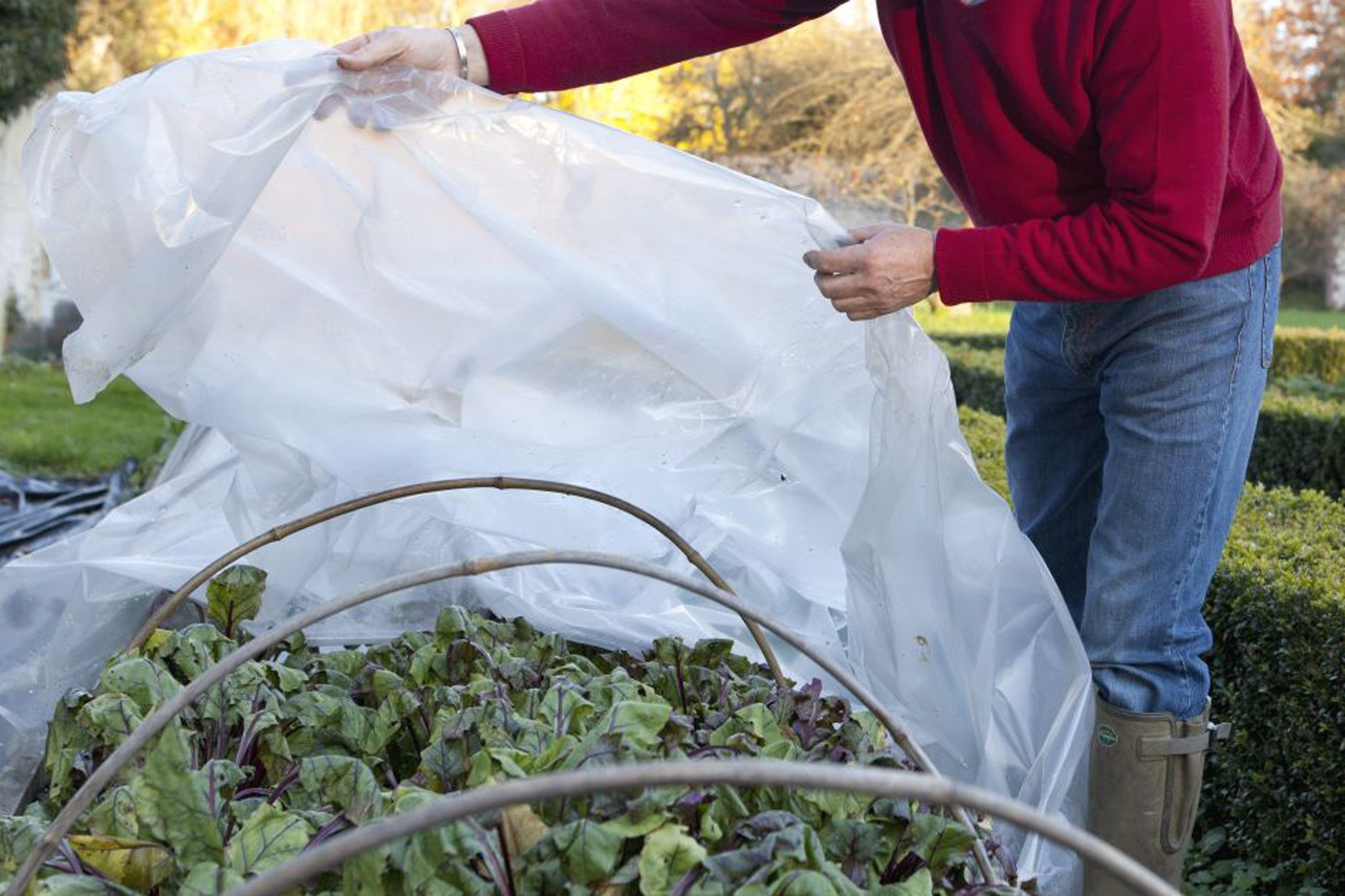
Containers need special attention before the first hard freeze. Start by assessing what can realistically stay outside. Cold hardy perennials and small shrubs can overwinter successfully, but only if their roots are protected. Move containers closer to the house or into a sheltered spot where they are shielded from prevailing winds.
Insulating pots is one of the most effective steps you can take. Wrapping containers with burlap, bubble wrap, or natural fiber insulation helps moderate temperature swings. Elevating pots slightly off frozen ground improves drainage and prevents water from freezing solid around the roots. Water containers deeply before the ground freezes, since hydrated roots tolerate cold far better than dry ones.
Protecting Shrubs and Ornamental Trees
Shrubs and young ornamental trees are the backbone of many Seacoast landscapes, and winter care is an investment in their long term structure and beauty. Before winter sets in, inspect plants for damaged or weak branches. Strategic pruning removes hazards that could break under snow load and reduces stress during storms.
Mulching is one of the most powerful tools for freeze protection. A generous layer of mulch around the root zone helps regulate soil temperature and retain moisture. Keep mulch a few inches away from stems to prevent rot. In windy areas like Rye and coastal Portsmouth, burlap screens can protect evergreens from drying winds and sunscald without trapping moisture.
Seasonal Timing Matters More Than You Think
Timing is everything when it comes to winter plant care. Late fall pruning focuses on removing dead or diseased wood, not encouraging new growth. Heavy structural pruning is best left for late winter or early spring when plants are fully dormant and healing conditions are ideal. This approach protects shrubs while setting them up for healthy growth when warmer days return.
Weeding may seem unnecessary in cold weather, but removing persistent weeds before freeze up reduces competition for moisture and nutrients. It also prevents weed seeds from gaining a head start in spring. Small actions taken now save hours of work later.
Why Freeze Protection Supports Long Term Plant Health
Protecting plants from freeze damage is not just about survival. It directly affects flowering, leaf density, and overall vigor in the coming season. Shrubs that experience repeated winter stress often show sparse growth or dieback that takes years to correct. Containers that freeze solid can suffer root loss that weakens plants permanently.
Healthy winter care supports stronger root systems and balanced growth. This makes spring pruning more precise and less corrective. Over time, landscapes that receive consistent seasonal care look more natural, resilient, and mature.
How Expert Pruning Helps Seacoast Gardens Thrive
At Expert Pruning, we approach winter care the same way a Master Gardener does. We look at the whole plant and the whole site. Every property in Exeter, North Hampton, and surrounding towns has its own microclimate shaped by wind, sun, and soil. Our pruning and shrub care services are tailored to those conditions, not based on generic schedules.
We focus on thoughtful pruning, proper mulching, and long term plant structure. Our work supports ornamental trees, foundation shrubs, and container plantings so they come through winter strong and balanced. This careful approach reduces storm damage, improves spring growth, and protects the investment you have made in your landscape.
A Final Word Before Winter Sets In
Winter on the Seacoast has a way of reminding us who is in charge. Plants that are prepared stand up better to what the season brings. Taking time now to protect containers and shrubs pays off in healthier growth, easier maintenance, and a more beautiful garden year after year.
Call Seacoast Gardener today at (603) 770-5072 to schedule a consultation and work with trusted professionals who know how to keep Seacoast gardens healthy, resilient, and beautiful year round.