Refreshing Your Indoor Garden for the New Year
Refreshing Your Indoor Garden for the New Year
The start of a new year always feels like a quiet reset here on the Seacoast. Outside, gardens rest under frozen soil and coastal winds, but indoors, your plants are wide awake. Winter is the perfect time to refresh your indoor garden, give tired plants new energy, and set them up for healthy growth before spring arrives in Zone 6b.
As a Master Gardener working throughout Portsmouth, Rye, Exeter, and North Hampton, I often tell homeowners that indoor plant care during winter directly affects how well everything transitions outdoors later. A little attention now can prevent stress, pests, and weak growth when the seasons change.
Why Winter Care Matters For Indoor Plants
Our Seacoast winters bring short days, dry indoor air, and fluctuating temperatures from heating systems. These conditions quietly stress houseplants, even if they look fine on the surface. Leaves may collect dust, roots can become compacted, and growth slows down without enough light.
Refreshing your indoor garden is less about pushing growth and more about restoring balance. Think of it as maintenance rather than renovation. Small thoughtful steps make a noticeable difference by early spring.
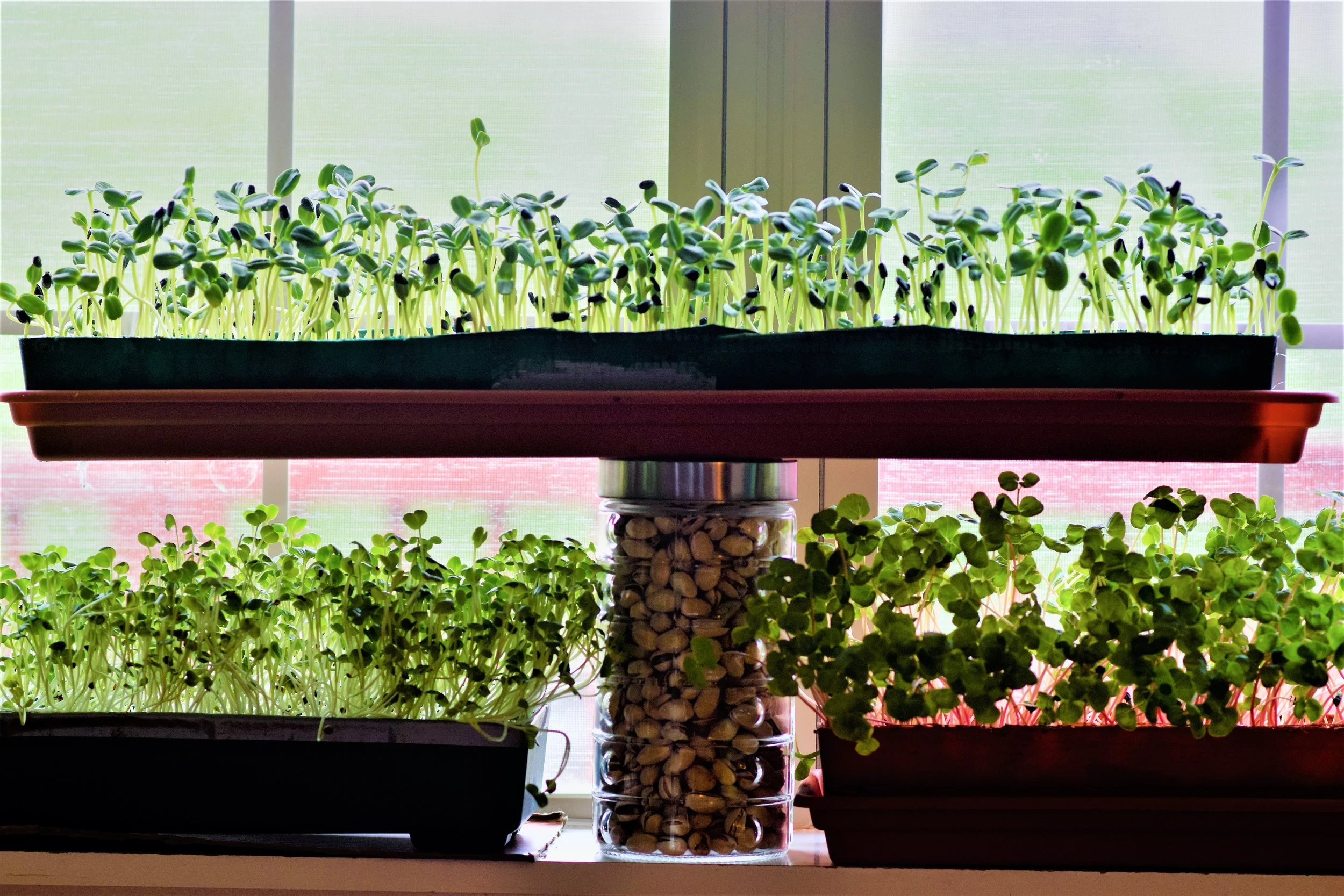
Start With Observation And Gentle Cleanup
Before touching soil or pruning shears, take time to really look at your plants. Notice yellowing leaves, leggy growth, or signs of pests like sticky residue or fine webbing. Indoor plants often show subtle signals before bigger problems develop.
Remove dead or damaged leaves with clean, sharp scissors. This improves airflow and reduces the risk of fungal issues, which can be common during damp New England winters. Wipe leaves gently with a damp cloth to remove dust and improve light absorption.
Refresh The Soil Without Overdoing It
Many indoor plants do not need full repotting every year, especially in winter. Instead, focus on refreshing the top layer of soil. Remove the top inch or two and replace it with fresh high quality potting mix.
This simple step improves drainage, replenishes nutrients, and discourages pests that like to hide near the surface. For homeowners in Exeter or Portsmouth with older houseplants, this alone can noticeably improve plant health without disturbing the roots.
Pruning For Shape And Long Term Health
Winter is an ideal time for light indoor pruning. Focus on shaping rather than heavy cutting. Trim leggy stems back to a healthy node to encourage fuller growth once daylight increases.
Avoid aggressive pruning during the darkest months, especially for tropical plants. Gentle, intentional cuts help maintain structure and prevent plants from becoming top heavy or weak. This same philosophy applies outdoors when we prune ornamental trees and shrubs at the right seasonal timing.
Light Management During Short Days
One of the biggest challenges for indoor gardens on the Seacoast is limited winter light. South facing windows help, but even then, daylight hours are short. Rotate plants weekly so all sides receive equal light exposure.
If plants are stretching toward windows, consider supplemental grow lights. Even a few hours a day can make a difference. Proper light now leads to stronger stems and healthier leaves when plants eventually move outdoors.
Watering Wisely In Winter
Overwatering is the most common winter mistake I see in homes across Rye and North Hampton. Plants use less water during winter because growth slows and evaporation decreases. Always check soil moisture before watering.
Let excess water drain completely and never allow pots to sit in standing water. Root health is just as important indoors as it is for shrubs and ornamental trees outside. Healthy roots support everything above the soil line.
Humidity Matters More Than You Think
Indoor heating dries the air, which many houseplants dislike. Brown leaf edges and curling foliage are often signs of low humidity rather than poor watering. Grouping plants together helps create a more humid microclimate.
You can also place shallow trays of water near plants or use a small humidifier. This is especially helpful for tropical plants that will eventually transition outdoors during warmer months.
Plan Ahead For Spring Transitions
Refreshing your indoor garden is also about thinking ahead. If you plan to move plants outdoors later, begin acclimating them slowly once temperatures rise. Strong indoor care during winter makes that transition far smoother.
This mindset mirrors how we approach fine gardening outdoors. Seasonal timing matters. Whether pruning shrubs in early spring or mulching garden beds in fall, success comes from working with the rhythm of the Seacoast climate.
Connecting Indoor Care To Outdoor Garden Success
Many homeowners do not realize how closely indoor and outdoor gardening are connected. Strong indoor plants often become beautiful patio accents, porch features, or additions to summer garden beds. Weak winter care leads to setbacks that take months to correct.
At Seacoast Gardener, we apply the same thoughtful approach to every space we manage. From indoor plant guidance to outdoor pruning, shrub care, ornamental trees, weeding, and mulching, our goal is long term plant health rather than quick fixes.
A Fresh Start With Trusted Local Guidance
Refreshing your indoor garden for the new year does not require expensive tools or drastic changes. It simply asks for attention, patience, and respect for the plants living in your home. These small winter efforts pay off when spring finally arrives on the Seacoast.
If you want your landscape cared for by professionals who truly understand the Seacoast climate, soils, and seasonal challenges, Seacoast Gardener is here to help. From precision pruning and shrub care to long term garden health and storm preparation, our team brings local expertise and thoughtful fine gardening to every property we serve.
Call Seacoast Gardener today at (603) 770-5072 to schedule a consultation and work with trusted professionals who know how to keep Seacoast gardens healthy, resilient, and beautiful year round.