Winter Pruning in Portsmouth: What to Cut Now and What to Leave Alone
January & February Pruning: What to Cut Now and What to Leave Until Spring
Understanding plant biology prevents the most common pruning mistake—removing next spring’s flowers
When the ground is frozen and snow settles into garden beds, it’s easy to assume outdoor work has come to a stop. Along the New Hampshire Seacoast, however, winter is one of the most important pruning seasons of the year. From late January through early March in Portsmouth and nearby southern Maine towns, dormant-season pruning offers clear advantages: branch structure is visible, cuts heal efficiently before spring growth, and many plants respond with stronger form and healthier growth. The key is knowing which plants benefit from winter pruning and which ones should be left alone. That distinction comes down to plant biology, not personal preference.
Get the timing right and plants reward you with strong structure and reliable flowering. Get it wrong and spring arrives with bare shrubs that should have been covered in blooms. Most pruning mistakes aren’t about tools or technique—they’re about timing.
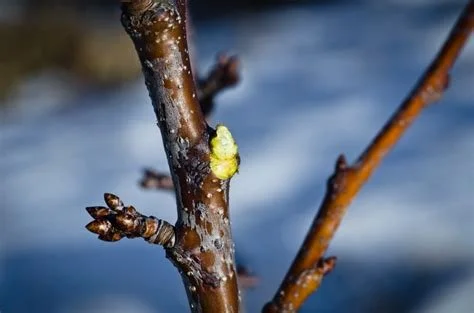
Why Pruning Timing Is About Buds, Not the Calendar
The single most important factor in pruning is knowing where a plant sets its flower buds. Spring-blooming shrubs form buds the previous summer and carry them through winter, which is why pruning them now removes flowers you’ve already grown. Summer bloomers, on the other hand, create buds on new growth after winter pruning. Understanding this one distinction—old wood versus new wood—prevents the most common and costly pruning mistake homeowners make in Zone 6b Seacoast gardens.
Why Winter Pruning Works for Many Plants
Deciduous trees and shrubs enter dormancy from late fall through early spring, making winter an ideal time to evaluate their structure. Without leaves, crossing branches, weak attachments, dead wood, and imbalances are easy to see and correct. Pruning during dormancy directs stored energy into fewer, stronger shoots once growth resumes in spring. Cuts made in late winter also seal efficiently as sap flow increases, reducing stress on the plant.
Winter pruning can also reduce disease risk. In our region, problems like fireblight in apples and pears are inactive during cold weather. Pruning during dormancy lowers the chance of spreading infection and allows for cleaner, more precise cuts without damaging buds or emerging leaves.
What to Prune Now: Summer Bloomers and Structural Work
Some shrubs and small ornamental trees are well suited to winter pruning because they bloom on new growth or are pruned primarily for structure rather than flowers. These plants can be safely pruned in late winter in Portsmouth and Zone 6b landscapes without sacrificing seasonal interest. Winter pruning encourages healthy regrowth, improves structure, and reduces the need for corrective cutting later in the season.
Panicle hydrangea (Hydrangea paniculata)
Smooth hydrangea (Hydrangea arborescens)
Butterfly bush (Buddleia)
Shrub roses (hybrid tea, floribunda, landscape roses)
Ninebark (Physocarpus)
Spirea (summer-blooming types)
Rose of Sharon (Hibiscus syriacus)
Japanese kerria (Kerria japonica – structural pruning only)
Boxwood (light structural pruning only)
Inkberry holly (Ilex glabra)
Dwarf or espaliered apple trees
Ornamental grasses (miscanthus, switchgrass, feather reed grass)
These plants either flower on current-season growth or tolerate dormant-season pruning well when cuts are made thoughtfully and with restraint.
Why Pruning Timing Is About Buds, Not the Calendar
The most important rule in pruning has nothing to do with the month and everything to do with where a plant forms its flower buds. Spring-blooming shrubs create their buds the previous summer and carry them through winter, which means pruning during dormancy removes flowers that are already fully formed. Summer bloomers behave differently, producing buds on new growth after pruning. Understanding this single distinction—old wood versus new wood—prevents the most common and disappointing pruning mistake homeowners make in Portsmouth and Zone 6b Seacoast gardens.
What Not to Prune Now: Spring Bloomers
This is where many homeowners unintentionally eliminate their spring display. Spring-blooming shrubs and ornamental trees set their flower buds in late summer and hold them through winter. Those buds are already present on branch tips by February. Pruning now removes them entirely, even though the plant itself may remain healthy.
Azalea
Rhododendron
Lilac
Forsythia
Weigela
Mock orange (Philadelphus)
Deutzia
Flowering quince
Bigleaf hydrangea (Hydrangea macrophylla)
Oakleaf hydrangea (Hydrangea quercifolia)
Flowering dogwood (Cornus florida or Cornus kousa)
Redbud (Cercis canadensis)
These plants should be pruned after flowering, ideally within one month of bloom finishing. That timing allows enough growing season for new wood to form and next year’s buds to develop properly.
Old Wood vs New Wood: The Pruning Difference That Matters Most
Plants that bloom on old wood flower on last year’s growth and must be pruned after flowering finishes. Azaleas, lilacs, rhododendrons, forsythia, and many hydrangeas fall into this category. Plants that bloom on new wood—such as panicle hydrangeas, smooth hydrangeas, roses, and butterfly bush—form buds on current-season growth and benefit from winter pruning. Once you know which category a plant belongs to, pruning decisions become clearer, more confident, and far less risky in Portsmouth-area landscapes.
Tools, Technique, and Clean Cuts
Good pruning starts with sharp, clean tools. Use bypass pruners for small stems, loppers for medium branches, and a pruning saw for larger limbs. Cuts should be made just outside the branch collar, allowing the plant to seal wounds naturally. Leaving stubs or cutting flush into the trunk slows healing and increases the risk of decay.
Disinfect tools between plants, especially when removing diseased wood. This simple habit prevents spreading problems across the garden and protects long-term plant health.
When to Call a Professional
Large trees, ladder work above six feet, pruning near structures or power lines, and complex structural corrections are best left to professionals. Certified arborists and experienced pruning specialists have the training and equipment to manage risk safely. For valuable specimen shrubs and ornamental trees, professional guidance often prevents mistakes that take years to correct.
Winter is a powerful pruning window when used correctly. Understanding what to prune now—and what needs to wait—makes all the difference.
Expert Pruning Services for Portsmouth and Southern Maine Properties
Seacoast Gardener and Expert Pruning specialize in plant-appropriate pruning guided by flowering biology, growth patterns, and long-term structure. We prune for health and natural form, not forced shapes or routine shearing. From shrub renovation and ornamental tree care to seasonal pruning guidance, our work is grounded in regional experience and horticultural knowledge. Contact us to schedule winter pruning or to learn more about our SF + EP approach to long-term garden care.
📞 (603) 770-5072 | 🌐 www.seacoastgardener.com