Reading Plant Labels Like A Pro: Off-Season Learning That Saves You Money
What those numbers and terms really mean—and why understanding them prevents expensive mistakes
January is catalog season, and for many Seacoast gardeners it’s the first quiet moment to think clearly about the year ahead. Glossy photos promise effortless color and lush growth, but between those images and real performance in a Portsmouth, Rye, or southern Maine garden sits a small but critical piece of information: the plant label. Learning how to read it now—while the ground is frozen and decisions are not rushed—turns plant shopping from guesswork into confident selection. This kind of off-season learning saves money, reduces frustration, and leads to gardens that perform as expected. A well-read label is one of the most valuable tools a homeowner gardener can have.
Plant labels contain nearly everything you need to know about a plant’s long-term success. The challenge is knowing which information matters most for our coastal climate and how to interpret it realistically. When labels are understood correctly, they help prevent common mistakes that lead to plant loss, overcrowding, and unnecessary maintenance. Here’s how to read them with a professional eye.
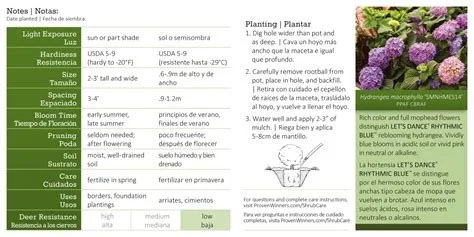
What A Plant Label Really Tells You
Every plant label includes a few key details that determine long-term success. Look for the hardiness zone, which confirms whether the plant can survive Seacoast winters. Check sun requirements to match the plant to your site’s light conditions. Mature height and width show how large the plant will actually become, not how it looks today. Bloom time helps you plan seasonal interest, while the botanical (Latin) name and cultivar ensure you’re getting the exact plant you researched, not a look-alike.
Hardiness Zones: Your First and Most Important Filter
The USDA hardiness zone rating tells you the lowest winter temperature a plant is expected to survive. Much of the Seacoast falls into Zone 6b, with pockets closer to Zone 6a or even 5b depending on exposure, elevation, and distance from the ocean. If a plant is rated for Zone 7, it is unlikely to survive our winters consistently, especially in exposed sites or inland pockets of southern Maine. Some years it may limp through; most years it won’t. Treating these plants as perennials often leads to disappointment and replacement costs.
Zone ratings are averages, not guarantees. Our winters can swing dramatically, and freeze-thaw cycles often cause more damage than steady cold. For shrubs, trees, and long-term plantings, choosing varieties rated at least one zone colder than your site provides valuable insurance. A Zone 5 plant in a Zone 6 garden generally handles winter stress far better and recovers more reliably in spring.
Sun Requirements: Matching Light to Reality, Not Hope
Sun exposure on the Seacoast is rarely as simple as it looks in early spring. “Full sun” means six or more hours of direct sunlight during the growing season, while “part shade” and “shade” have specific meanings tied to plant performance, not convenience. A full-sun perennial planted in part shade may survive, but it will often become leggy, flower poorly, and invite disease. Shade plants exposed to intense afternoon sun frequently scorch or stall.
Pay close attention to how light changes from April through July. Areas beneath deciduous trees receive full sun early in the season but become shaded once leaves emerge. Labels should be matched to the light plants receive during their active growth and bloom period, not what the garden looks like in March. Honest evaluation here prevents years of frustration.
Mature Size: The Number That Prevents Future Problems
Mature height and width are among the most ignored—and most costly—details on a plant label. That small shrub in a one-gallon pot may look manageable today, but if the label says six feet wide at maturity, believe it. Planting based on current size instead of mature size is the leading cause of overcrowding, excessive pruning, and eventual plant removal in Seacoast gardens.
Spacing plants according to mature width allows air circulation, healthier growth, and far less long-term maintenance. Gardens may look sparse at first, but temporary gaps can be filled with annuals or short-lived perennials. Over time, properly spaced shrubs and perennials create a balanced, intentional landscape rather than a crowded one that needs constant correction.
Bloom Time: Planning for a Season, Not a Moment
Plant labels also tell you when a plant blooms, and this information is critical for creating gardens that look good beyond late spring. Many homeowners unintentionally build one-season gardens by buying what’s blooming at the nursery in May. The result is a strong early show followed by long stretches of green with little interest.
By choosing plants with staggered bloom times—early spring, late spring, summer, and fall—you create continuity and visual rhythm. In Zone 6b gardens, thoughtful bloom sequencing keeps landscapes engaging from April through October and reduces the urge for impulse replacements midseason.
Latin Names and Cultivars: Precision Matters
Common names vary widely and can refer to very different plants. Latin names provide clarity and accuracy, especially when researching performance, disease resistance, or mature size. Photographing or noting the botanical name ensures you get the plant you intended, not a rough substitute.
Cultivar names matter just as much. Two plants within the same species may differ significantly in size, color, or reliability. When a design or recommendation specifies a cultivar, it’s because those differences matter long-term. Substitutions often change the outcome more than homeowners expect.
Growth Rate and Spacing: Matching Plants to Your Maintenance Style
Some labels include growth rate and spacing recommendations, both of which affect long-term care. Fast-growing plants fill in quickly but usually require more pruning and monitoring. Slow-growing plants demand patience but often reward gardeners with better structure and fewer problems over time.
Spacing recommendations aren’t suggestions; they’re based on airflow, root competition, and disease prevention. Ignoring them leads to stressed plants and increased maintenance. Matching growth rate and spacing to your tolerance for upkeep makes gardens more enjoyable and sustainable.
Why Reading Labels Saves Money
Understanding plant labels turns winter browsing into strategic planning. It helps homeowners avoid buying plants that won’t survive coastal winters, won’t tolerate their light conditions, or won’t fit the space long-term. The savings add up quickly—not just in replacement plants, but in reduced pruning, fewer removals, and healthier gardens overall.
January is the perfect time to build this skill. When spring arrives, you’ll shop with confidence, choose plants that truly belong in your landscape, and invest in gardens that mature gracefully rather than fight their surroundings.
Need Help Selecting the Right Plants for Your Property?
Seacoast Gardener and Expert Pruning offers design consultations and plant selection guidance for residential properties throughout Portsmouth, the NH Seacoast, and southern Maine. We evaluate light, soil, exposure, and long-term maintenance needs before recommending plants. Our goal is simple: landscapes that thrive in real conditions, not just on labels. Contact us to schedule a consultation before spring planting season.
📞 (603) 770-5072 | 🌐 www.seacoastgardener.com