Pruning Forsythia Early for Structure and Spring Show | NH Seacoast
Forsythia: Spring’s Golden Welcome That Needs Care
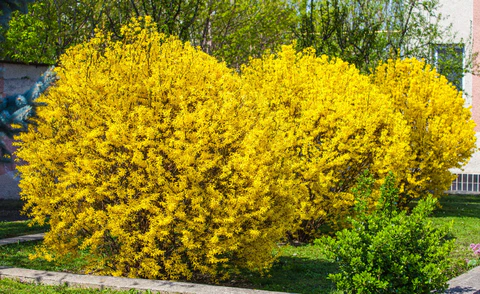
Forsythia is one of the earliest and brightest signs of spring, covering the landscape with a burst of golden-yellow blooms just when winter feels endless. But without regular care, this cheerful shrub can quickly turn into a tangled, messy thicket that overwhelms the garden. The good news is that with proper pruning, you can preserve forsythia’s graceful, arching shape and ensure it delivers its spectacular spring show year after year.
Understanding How Forsythia Grows
Forsythia is a shrub that blooms on old wood, meaning the bright yellow flowers you see in early spring actually formed on stems the summer before. This simple fact is the key to pruning success. Many gardeners make the mistake of pruning in fall or early spring, only to discover they have cut off the very stems that would have produced flowers. To keep forsythia thriving and blooming, it is essential to understand the difference between old wood and new wood and time your pruning accordingly.
The Right Time to Prune
The best time to prune forsythia is right after the flowers fade in late April to May. Once the brilliant yellow blooms are finished, the plant immediately begins setting buds for the following year. Pruning at this stage gives the shrub the entire summer to produce strong new shoots that will carry next spring’s flowers. If you wait too long and prune later in the season, you risk cutting off those developing buds and losing next year’s display.
Shaping Without Ruining the Look
Forsythia is at its best when allowed to keep its natural fountain-like shape, with graceful arching stems spilling outward. The goal of pruning is not to force it into rigid forms, but to refine and refresh that natural beauty. Each spring, remove about one-third of the oldest, thickest canes right at the base. These older stems tend to flower less and crowd the plant. Thinning them out makes room for vigorous young shoots and improves air circulation. It also helps to take out any stems that cross or rub against each other. Done this way, the shrub stays full and balanced, while still producing plenty of buds for next year’s show.
Shaping Without Ruining the Look
Forsythia is at its best when allowed to keep its natural fountain-like shape, with graceful arching stems spilling outward. The goal of pruning is not to force it into rigid forms, but to refine and refresh that natural beauty. Each spring, remove about one-third of the oldest, thickest canes right at the base. These older stems tend to flower less and crowd the plant. Thinning them out makes room for vigorous young shoots and improves air circulation. It also helps to take out any stems that cross or rub against each other. Done this way, the shrub stays full and balanced, while still producing plenty of buds for next year’s show.
Dealing With an Overgrown Shrub
When forsythia has been left alone for too long, it can turn into a sprawling, woody thicket. Fortunately, there are two reliable ways to bring it back into shape. The gradual method involves removing about one-third of the oldest canes each year for three years. By the end of that cycle, the entire shrub has been renewed with fresh growth, and you still enjoy flowers each spring. The more drastic option is to cut the entire plant down to about a foot tall in early spring, before new growth begins. While this sacrifices a year of blooms, the shrub responds with vigorous new shoots and quickly regains its natural form, often looking healthier than ever within a season or two.
Forsythia Care Beyond Pruning
Pruning is essential, but it is only part of what keeps forsythia thriving year after year. To produce the best display of blooms, these shrubs need full sun; too much shade will reduce the flower show, even if the plant remains healthy. On the Seacoast, sandy soils dry out quickly, so adding a mulch layer helps retain moisture and protect roots from temperature swings. A balanced fertilizer in spring provides the extra nutrients needed to fuel strong new shoots after pruning. And because forsythia branches can snap under heavy snow or strong coastal winds, it is important to remove any damaged wood cleanly to prevent stress and allow healthy regrowth.
Designing With Forsythia in the Landscape
Forsythia can do more than deliver a burst of yellow each spring—it can also serve as a structural element in the garden. It works beautifully as a hedge along property lines, as a bright anchor in a foundation planting, or as a backdrop for bulbs and perennials that bloom later in the season. Its natural arching stems add movement and softness, preventing a landscape from looking too rigid. In smaller yards, careful trimming keeps the shrub from overwhelming nearby plants, while in larger spaces, allowing it to grow more loosely creates a naturalized effect that blends well into broader plantings.
When It’s Best to Call for Help
Overgrown or mature forsythia shrubs can be intimidating to tackle on your own. Cutting down thick, woody canes at the base requires sharp tools, strength, and confidence. This is where professionals make a real difference. An experienced gardener can quickly determine whether gradual thinning or a hard cutback is the right approach, ensuring the shrub recovers properly without losing its natural form. The added benefit is that they not only shape the plant expertly but also handle the significant cleanup that comes with such heavy pruning.
Seacoast Conditions and Forsythia
Growing forsythia on the Seacoast comes with challenges unique to our region. Sudden cold snaps in early spring can damage buds, reducing the floral display. Strong winds tangle stems and may even break branches, while sandy soils drain quickly and leave roots thirsty. Coastal salt spray adds another layer of stress to plants near the shore. That’s why pruning, mulching, and feeding are especially important for keeping forsythia strong. The good news is that this shrub is hardy and adaptable—when cared for properly, it remains a reliable and vibrant presence in Seacoast gardens year after year.
Recap: Key Points for Pruning Forsythia
For the best results, always prune forsythia right after flowering in late spring, never in fall or early spring when you risk cutting off future blooms. Each year, remove about one-third of the oldest stems at the base to keep the shrub young and productive. Avoid shearing, which destroys the plant’s natural arching shape and reduces flowering. If your shrub is overgrown, you can rejuvenate it gradually over three years or more drastically with a hard cut in early spring. Full sun, regular mulching, and a boost of nutrients are especially important on the Seacoast, where soils and climate add extra stress.
Conclusion
Forsythia is one of the brightest and boldest signs of spring, but it only looks its best with proper care. Pruning at the right time and in the right way ensures healthy growth, balanced structure, and a reliable show of blooms year after year. If your shrub needs shaping or rejuvenation, Seacoast Gardener is here to help with expert pruning tailored to local conditions.
📞 Contact us today at (603) 770-5072 for professional forsythia care and lasting beauty in your landscape.
