Winter Wildlife: Helping Birds and Pollinators Thrive
The Quiet Garden Is Still Alive
When winter settles over the Seacoast of New Hampshire and Southern Maine, gardens appear to sleep. Snow dusts the beds in Portsmouth, coastal winds sweep through Rye, and frost settles into the soils of Exeter and North Hampton. Yet beneath that quiet surface, life continues.
As a Master Gardener working in Zone 6b, I can tell you winter is not an empty season. It is a critical time for birds, beneficial insects, and pollinators that depend on thoughtful garden care. With a few intentional practices, your landscape can provide shelter and nourishment all winter long.
Leave the Seeds and Stems
One of the simplest ways to support winter wildlife is to resist the urge to cut everything back in fall. Seed heads from coneflowers, black eyed Susans, and ornamental grasses provide valuable food for birds throughout winter.
Hollow stems of perennials often shelter native bees and beneficial insects. In Zone 6b gardens, these stems act as insulation against extreme cold. Waiting until early spring to tidy up allows pollinators to emerge safely.
Why Winter Habitat Matters
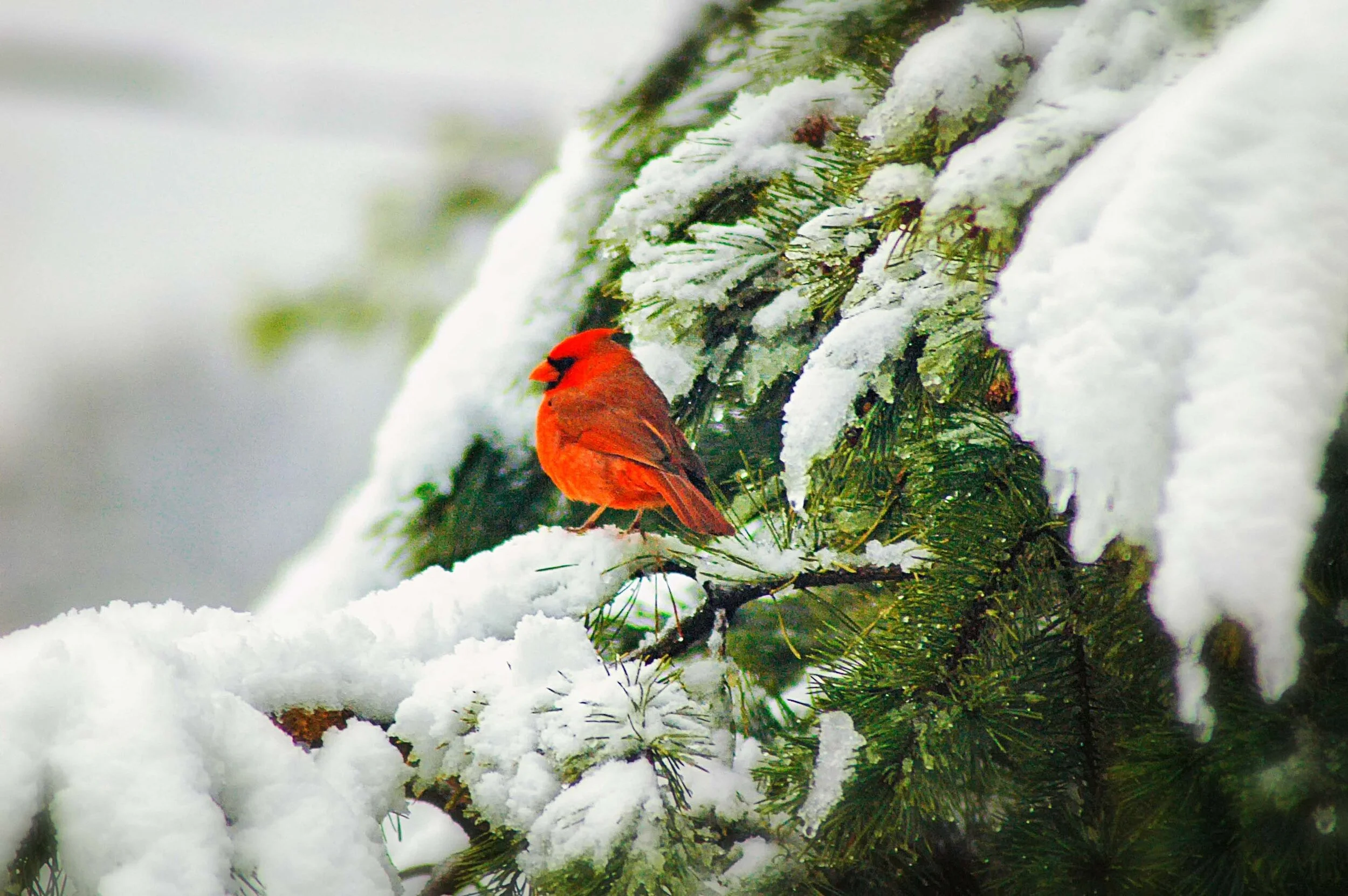
Our coastal climate brings fluctuating temperatures, salt air, and occasional freeze thaw cycles. These conditions can be challenging for wildlife already conserving energy. Native birds and overwintering pollinators rely on natural cover and food sources to survive until spring.
Well planned fine gardening supports this ecosystem. By balancing pruning, mulching, and seasonal timing, we can protect plant health while also preserving habitat.
Strategic Pruning, Not Over Pruning
Winter is an excellent time for structural pruning of ornamental trees and certain shrubs. However, careful selection is important. Removing damaged or crossing branches improves plant health without stripping away critical shelter.
In Portsmouth and North Hampton gardens, we often recommend selective pruning that maintains protective branching structure. Dense shrubs such as viburnum or winterberry offer both berries and wind protection for birds. Thoughtful shrub care supports both beauty and biodiversity.
Planting for Winter Interest and Food
Planning ahead makes all the difference. Native shrubs like winterberry holly, serviceberry, and elderberry provide essential food sources. Ornamental trees with persistent fruit also attract birds during the lean months.
In sandy coastal soils common in Rye, adding compost improves root health and fruit production. In heavier inland soils, proper drainage supports strong growth and berry set. Healthy plants are more resilient and produce more resources for wildlife.
Mulching for Soil and Shelter
Mulch does more than protect plant roots. A natural mulch layer moderates soil temperature and preserves beneficial soil organisms. Many insects overwinter in leaf litter and mulch, forming the foundation of the spring food web.
We recommend maintaining a two to three inch layer of organic mulch around shrubs and ornamental trees. This improves soil health while offering safe refuge for overwintering species.
Providing Water in Freezing Weather
Fresh water is often scarce during freezing conditions. A heated birdbath or regularly refreshed shallow basin can make a meaningful difference. Birds expend significant energy searching for water in winter.
Placing water sources near shrubs or trees offers quick escape routes from predators. In Exeter and surrounding areas, sheltered placement also reduces wind exposure.
Balancing Tidiness with Ecology
It is natural to want a clean landscape. However, a perfectly bare garden can be inhospitable to wildlife. Leaving some leaf litter beneath shrubs and along borders supports overwintering insects.
Weeding and edging can still be done selectively. Removing invasive plants protects native habitats while allowing beneficial species to thrive. Fine gardening is about thoughtful balance, not neglect.
Protecting Ornamental Trees
Ornamental trees play a central role in winter habitat. Their branches provide roosting sites and protection from wind. Proper pruning enhances structure while preserving natural form.
Winter inspections allow us to remove hazardous limbs without disturbing nesting during breeding season. In coastal towns like Portsmouth and Rye, addressing salt damage and winter injury early supports long term tree health.
Early Spring Timing Matters
As temperatures begin to rise in Zone 6b, timing becomes crucial. Cutting back perennials too early may disrupt emerging pollinators. Waiting until consistent warmer days ensures that beneficial insects have safely emerged.
Coordinating seasonal pruning and cleanup with natural cycles strengthens your garden ecosystem. Thoughtful timing is one of the most powerful tools in fine gardening.
Creating a Layered Landscape
Diverse plant layers provide the greatest support for wildlife. Groundcovers, shrubs, and canopy trees create microclimates and protection from harsh weather. This layered structure is especially valuable in exposed coastal properties.
Professional shrub care and ornamental tree management help maintain these layers while preventing overcrowding. A healthy structure improves airflow and plant vigor while preserving habitat.
A Garden That Gives Back
Winter wildlife support is not separate from good gardening. It is part of it. Healthy soil, well pruned shrubs, properly mulched beds, and carefully maintained ornamental trees all contribute to a resilient landscape.
In Portsmouth, Rye, Exeter, North Hampton, and throughout the Seacoast of New Hampshire and Southern Maine, gardens can be both beautiful and ecologically supportive. With the right planning and care, your winter landscape becomes a sanctuary rather than a dormant space.
At Seacoast Gardener, we specialize in professional fine gardening, pruning, shrub care, ornamental tree maintenance, weeding, mulching, and seasonal planning tailored to Zone 6b conditions. If you would like guidance on creating a winter friendly landscape that supports birds and pollinators while enhancing the health and beauty of your property, we would be honored to help.
Together, we can cultivate gardens that thrive in every season, including winter.
📞 (603) 770-5072 | 🌐 www.seacoastgardener.com