Hard vs. Light Pruning: When to Rejuvenate Old Shrubs | NH Seacoast
Understanding Shrub Rejuvenation
Over time, even the most beautiful shrubs can lose their appeal, becoming too tall, woody, or simply messy. When that happens, gardeners are faced with an important question: should you give the plant a light trim to tidy it up, or cut it back hard and start fresh? On the NH Seacoast, where shrubs already endure stress from wind, salt, and heavy snow, making the right pruning choice is especially critical for long-term health and resilience.
What Light Pruning Means
Light pruning is the kind of gentle, regular maintenance that keeps shrubs looking neat without putting them under stress. It usually involves removing dead wood, trimming out crossing stems, shaping lightly, and occasionally deadheading flowers. The key rule is to never take off more than one-third of the shrub at a time. This approach is especially effective for younger or already healthy plants such as lilacs, hydrangeas, spireas, and smaller evergreens. With consistent light pruning, shrubs maintain their fullness, balance, and long-term health while continuing to enhance the garden year after year.
When Hard Pruning Becomes Necessary
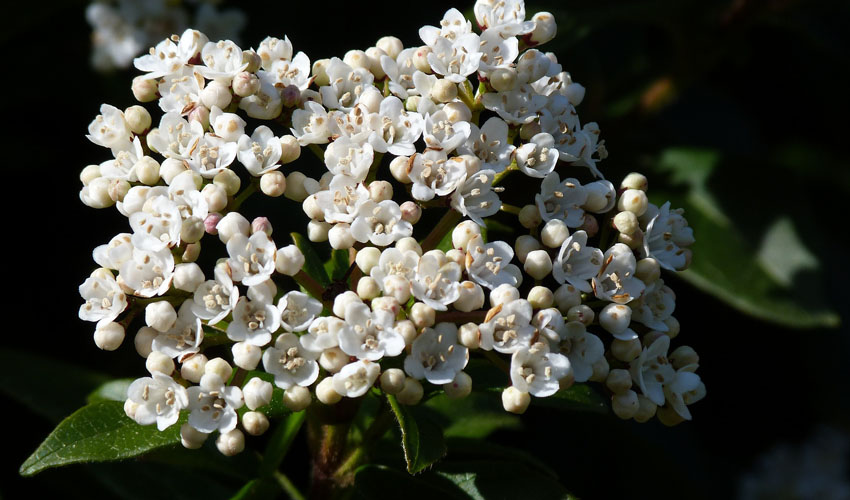
Sometimes light pruning simply isn’t enough. When shrubs become overgrown, filled with woody stems, producing few flowers, or crowding out nearby plants, it is time to consider hard pruning. Also known as rejuvenation pruning, this method involves cutting the shrub back dramatically, sometimes to just one or two feet from the ground. While it may look severe, many species such as forsythia, spirea, and viburnum respond very well to this approach. The best time for hard pruning is early spring, when plants are just about to begin their growth cycle. With the season ahead of them, shrubs can put out vigorous new shoots and, within a year or two, look fresh and revitalized—almost like brand-new plants.
Risks and Rewards of a Hard Cut
A hard cut can completely rejuvenate a tired shrub, but it also carries risks if done without care. Deciduous shrubs that bloom on new wood often respond well, producing healthier regrowth, more flowers, and a more manageable size. However, evergreens such as boxwood and arborvitae do not tolerate this approach—once cut back too far, they rarely recover. That is why identifying the species before making a drastic cut is essential. When applied correctly to the right plants, hard pruning can transform an overgrown shrub into a vibrant, thriving feature of the garden.
Timing Matters
When it comes to pruning, timing can make all the difference between a healthy flush of new growth and a season without flowers. Hard pruning should always be done in early spring before new growth begins, giving shrubs the full season to recover and rebuild. Light pruning, however, depends on the plant’s bloom cycle. Old wood bloomers such as lilacs should only be pruned right after flowering; cutting them later removes the buds that would bloom the following year. New wood bloomers like panicle hydrangeas, on the other hand, benefit from pruning in late winter, since they set their flowers on the fresh growth that follows. By understanding these growth habits, gardeners can avoid one of the most common mistakes: accidentally cutting off next season’s flowers.
Seacoast Challenges
Gardening on the Seacoast comes with unique hurdles that make pruning choices even more important. Salt spray drifting in from the ocean can damage buds and outer branches, while harsh winters often leave shrubs with dieback before spring even begins. Many plants are already stressed by these conditions, and an ill-timed or overly harsh pruning cut can push them past the point of recovery. The key is balance. Light annual pruning prevents shrubs from becoming overgrown and unmanageable, while local knowledge ensures that each plant is pruned in a way that respects both its natural growth habits and the challenges of the coastal climate. Success lies in knowing when to step back and when to cut, creating healthier shrubs that can thrive despite wind, salt, and snow.
When to Get Professional Help
Hard pruning is not a job to take lightly. It requires sharp tools, a steady hand, and the confidence to make bold cuts without compromising the plant’s future. Professionals bring more than just equipment—they can correctly identify plant species, determine whether light or hard pruning is appropriate, and apply the right method for the healthiest results. They also ensure the finished look is immediate, not awkward or uneven. On top of that, the cleanup from hard pruning is no small task; piles of branches and debris can quickly overwhelm a homeowner. Hiring an expert means the job is done safely, efficiently, and with a polished finish that enhances the entire landscape.
Recap: Key Points on Hard vs. Light Pruning
Light pruning is gentle, annual maintenance that removes dead wood and keeps shrubs balanced. Hard pruning, by contrast, is a reset for old, woody, or overgrown shrubs that need new life. The best time for hard cuts is early spring before growth begins, giving shrubs the season to recover. Not all species tolerate rejuvenation pruning, so it is essential to know your plant before cutting. With the added stress of Seacoast conditions such as salt spray and harsh winters, choosing the right approach matters even more.
Conclusion
Pruning is ultimately about balance. Light trims maintain a shrub’s health and structure year after year, while hard cuts reset growth and restore plants that have lost their shape or vigor. The key lies in knowing when each approach is appropriate and how to apply it without harm. For homeowners unsure of which path to take, Seacoast Gardener can help. Our team assesses each shrub individually, applies the correct pruning strategy, and ensures your landscape stays healthy, beautiful, and polished.
