Cleaning Up Perennial Beds Without Disturbing Wildlife: A Smarter Approach to Spring Tidying
A Smarter Approach to Spring Tidying
Every spring, the urge to clean up arrives before the garden is ready for it. The days get longer, the light shifts, and suddenly all you can see is the tangle of last year's stems and the matted leaves pressed flat against the soil. It is a familiar feeling for gardeners throughout the Seacoast — in Portsmouth backyards and Exeter cottage gardens alike — and the instinct to grab a rake and start pulling is almost irresistible. But the most ecologically thoughtful thing you can do this time of year is pause, look closely, and clean up with intention rather than urgency.
The Case for Waiting a Little Longer
Garden cleanup advice has shifted meaningfully in the last decade, and for good reason. Research into native bee populations has shown that a significant number of solitary bee species — including small carpenter bees, mason bees, and mining bees — overwinter inside hollow or pithy plant stems, inside leaf litter, or just below the soil surface in garden beds. Along the Seacoast, where our coastal landscape supports a rich variety of native pollinators, cutting everything down on the first warm weekend in March can eliminate the very insects that will pollinate your garden come June.
The general guidance among ecologists is to wait until nighttime temperatures have consistently reached 50 degrees Fahrenheit before doing major cleanup — the threshold at which overwintering insects become active and begin to move on their own. In Zone 6b, that window typically arrives in late April to early May, though it varies year to year and the warming trend along the coast can push it earlier in sheltered spots. The good news is that a thoughtful, staged cleanup approach does not mean leaving your beds in disarray all spring. It means being selective about what you remove, when, and how.
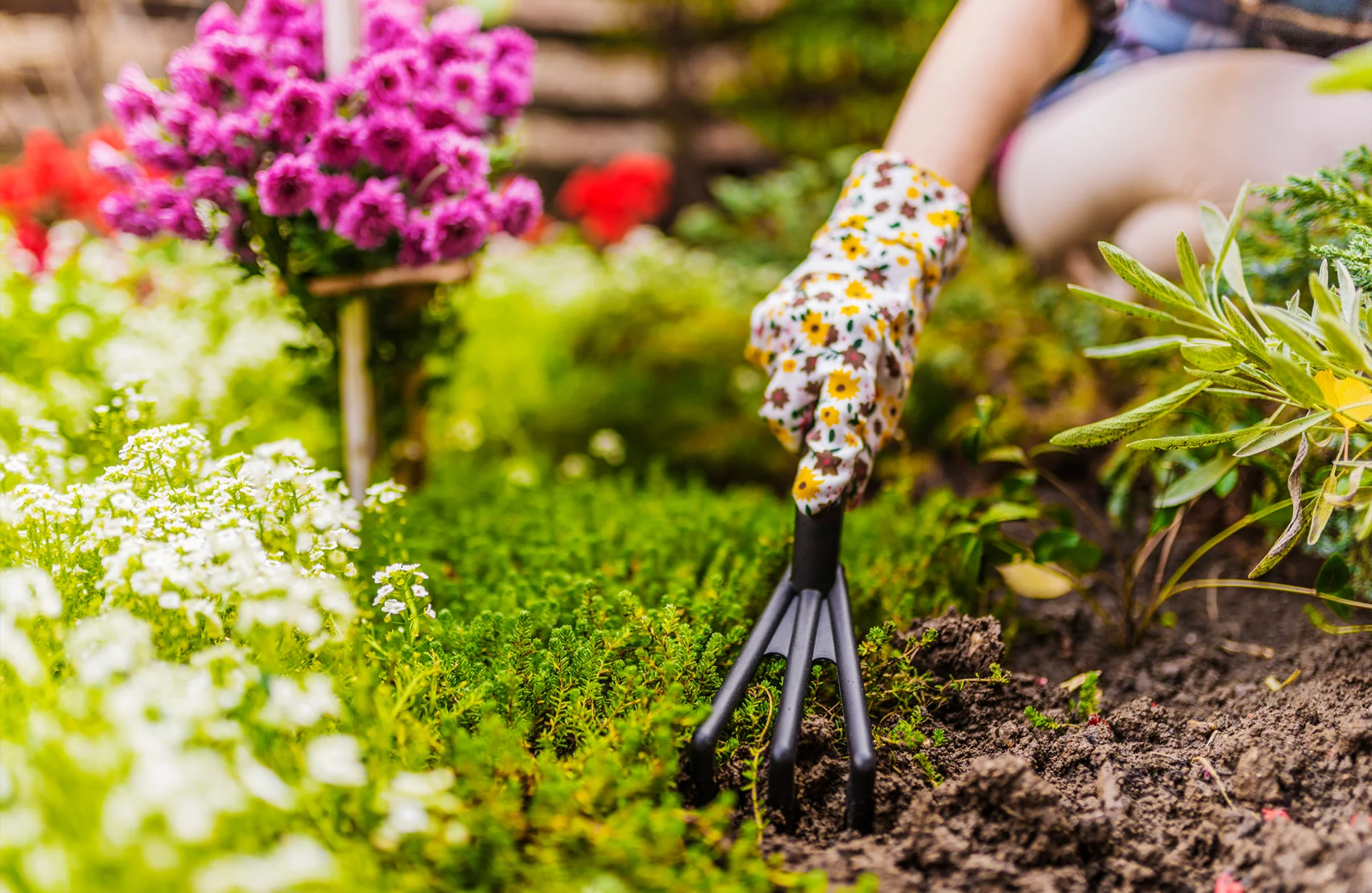
What to Remove Now and What to Leave
Not everything in a perennial bed needs to wait. Dead, collapsed, or diseased material that did not hold any meaningful structure through the winter — spent annuals, mushy foliage from tender perennials, or stems flattened by heavy snow — can be cleared without ecological consequence. Weeds that have germinated in the warm spells of late winter, particularly bittercress and chickweed which are fast to set seed, should come out now before they get ahead of you.
In the sandy, fast-draining soils common throughout North Hampton, Greenland, and Stratham, early weeding while the ground is still workable is one of the most valuable things you can do for the season ahead.
What to Remove Now and What to Leave
Not everything in a perennial bed needs to wait. Dead, collapsed, or diseased material that did not hold any meaningful structure through the winter — spent annuals, mushy foliage from tender perennials, or stems flattened by heavy snow — can be cleared without ecological consequence. Weeds that have germinated in the warm spells of late winter, particularly bittercress and chickweed which are fast to set seed, should come out now before they get ahead of you. In the sandy, fast-draining soils common throughout North Hampton, Greenland, and Stratham, early weeding while the ground is still workable is one of the most valuable things you can do for the season ahead.
What you want to leave in place, at least for now, are the upright hollow stems of perennials like echinacea, rudbeckia, ornamental grasses, and Joe Pye weed. These are not just aesthetic — they are habitat. Stems cut to six to eighteen inches and left standing provide overwintering sites that will be vacated naturally as temperatures climb. When you do cut them, consider bundling a portion of the stems loosely and tucking them into a back corner of the garden rather than composting everything immediately. It is a small gesture that costs nothing and supports the beneficial insect population your garden depends on.
A Staged Approach to Bed Cleanup
The most practical method for Seacoast gardeners is to work through beds in two phases. The first pass, which can happen in late March and early April, focuses on weeding, removing obviously dead material, and freshening edges. This is also a good time to assess winter damage on ornamental grasses, cut them back to a few inches above the crown, and clear any leaves that have packed tightly around the base of shrubs and small woody plants where moisture and disease can build. In coastal gardens from Rye to Kittery that saw significant salt spray this winter, removing that layer of smothered debris is particularly important for the health of what lies beneath.
The second pass comes in late April or early May, once consistent warmth has arrived. This is when you cut back the remaining perennial stems, divide any overcrowded clumps, apply a fresh layer of compost or mulch, and do the finer work of shaping and edging that makes a garden look cared for. Two to three inches of composted wood chip or shredded bark applied at this stage will suppress the second flush of weed germination, retain moisture as spring drying winds arrive off the water, and feed the soil slowly through the growing season.
Mulching, Edging, and the Details That Make a Garden
There is a particular satisfaction in a bed that has been properly prepared for the season — edges clean, mulch fresh, plants emerging with room to breathe. It is the kind of detail that separates a garden that merely survives from one that genuinely thrives, and it is the work that sets the tone for everything that follows through summer and into fall. Taking the time to do it thoughtfully in spring, rather than rushing through it, pays dividends in reduced weeding, healthier plants, and a garden that looks composed from the first warm day forward.
Let Expert Pruning Help You Get It Right
If the scale of spring cleanup feels overwhelming, or if you want the confidence of knowing it is being done in a way that supports both your plants and your local ecology, Expert Pruning is here to help. We work with homeowners throughout the Seacoast of New Hampshire and southern Maine — including Portsmouth, Rye, North Hampton, Hampton Falls, Exeter, Newmarket, Eliot, and South Berwick — providing thoughtful, seasonally timed garden care that goes well beyond cleanup. From perennial bed preparation and mulching to shrub pruning and ornamental tree care, we bring the same precision and plant knowledge to every property we touch. Reach out this spring and let us help your garden start the season on the best possible footing.
Call Seacoast Gardener today at (603) 770-5072 to schedule a consultation and work with trusted professionals who know how to keep Seacoast gardens healthy, resilient, and beautiful year round.