Step-by-Step Guide: Pruning Roses for Continuous Bloom (Stop Heavy Cuts by September) | NH Seacoast
Introduction to Rose Pruning
Roses can thrive and bloom beautifully when pruned with the right techniques, but many common problems arise from poor timing or improper methods. One of the most important rules for success is knowing when to stop. Heavy pruning after September is a mistake that leaves roses vulnerable to winter damage, so timing is key to keeping them healthy and ready for the next season.
Early Spring Pruning
The most important pruning session for roses takes place in early spring, just as buds begin to swell but before new leaves fully open. This is the time to remove any dead or damaged canes, cut out weak stems, and shape the plant so the center remains open for airflow. Roses such as hybrid teas, floribundas, and many shrub varieties respond especially well to this reset. Do not hesitate to cut the plant back by one-third to even one-half, making each cut just above an outward-facing bud. While it may look drastic at first, roses rebound quickly with stronger growth and more reliable blooms.
Summer Deadheading
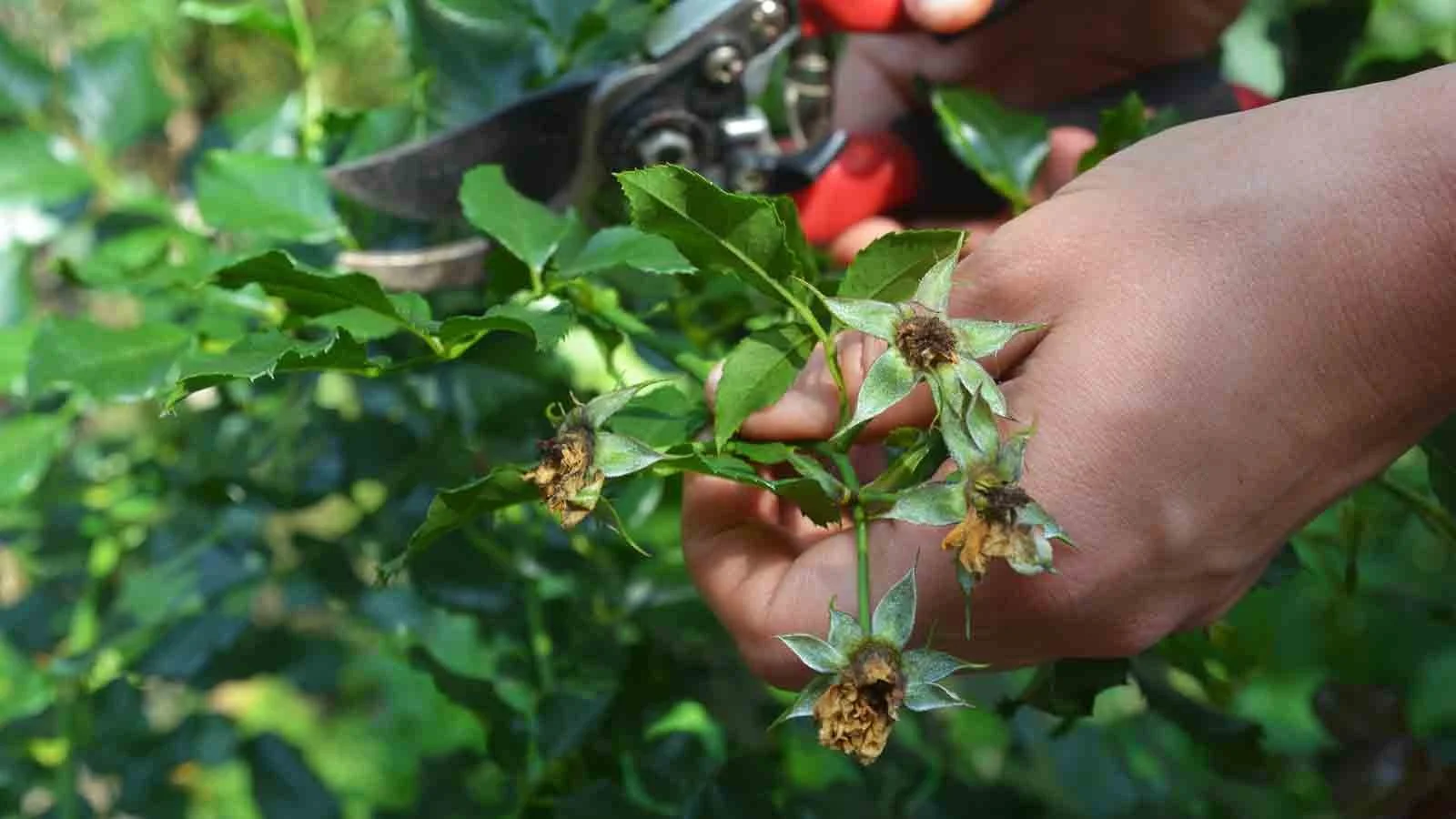
Once roses begin flowering, regular deadheading keeps the show going all season. The technique is simple: cut each spent bloom back to the first five-leaflet leaf below the flower stem. This encourages the plant to send out strong new shoots that will carry additional blossoms. Beyond prolonging bloom cycles, deadheading is especially useful on the Seacoast where humid summers can create extra disease pressure. Keeping plants tidy and free of fading flowers improves airflow, reduces the spread of problems like black spot, and ensures healthier, more vibrant roses.
Why to Stop Heavy Cuts by September
By early fall, roses begin shifting their energy toward dormancy, and this is the time to ease off the pruning shears. Heavy cuts in September or later stimulate tender new growth that has no chance to harden before the first frost, leaving the plant vulnerable to winter injury. Instead of reshaping or cutting back deeply, keep pruning light—limit yourself to simple deadheading to tidy up spent blooms. This allows roses to prepare naturally for the colder months while still finishing the season with strength.
Caring for Roses Beyond Pruning
Healthy roses need more than careful pruning—they also thrive on consistent soil care and thoughtful watering. On the sandy soils of the Seacoast, enriching beds with compost and applying regular fertilizer provides the nutrients roses crave. Deep watering at the base encourages strong roots, while avoiding overhead watering helps prevent leaf diseases like black spot. A layer of mulch further protects the plants by conserving moisture and moderating soil temperatures through seasonal swings. For homeowners who want beauty without constant upkeep, modern disease-resistant shrub roses are an excellent, low-maintenance choice.
When to Call in Help
Not all roses are simple to manage. Large, sprawling climbers or overgrown shrubs can quickly become overwhelming for homeowners, especially when pruning requires ladders, thick gloves, or specialized tools. In these cases, calling in a professional is the safest and most efficient option. With the right equipment and expertise, a professional can shape roses properly, remove deadwood, and prepare the plants for maximum blooms—saving you time, effort, and frustration.
Recap: Key Points for Rose Pruning
Successful rose care comes down to timing and consistency. Hard pruning should take place in early spring, while deadheading throughout summer keeps the blooms coming. Once September arrives, avoid heavy cuts and limit yourself to light deadheading to protect the plant through winter. Alongside pruning, remember to feed generously, mulch to conserve moisture, and water deeply at the base to reduce disease. For large, overgrown, or difficult shrubs, calling a professional ensures safe, effective pruning and reliable results.
Conclusion
Roses don’t need to be intimidating when you follow the right approach. With proper timing and simple techniques, you can enjoy blooms from spring through fall while keeping your plants strong and healthy. The most important reminder is to stop heavy cuts in September so your roses enter winter prepared to thrive again next season.
📞 Need help keeping your roses healthy and blooming? Contact Seacoast Gardener today at (603) 770-5072 or visit our website to schedule expert rose care services across the NH Seacoast.
