Dividing and Transplanting Bearded Iris in Summer: An Exeter Gardener's Guide
Dividing and Transplanting Bearded Iris in Summer: An Exeter Gardener's Guide
If your bearded iris bloomed beautifully in May and June but has started looking crowded and tired since, you're not alone. This is the exact right time of year to divide them. Late July through August is prime season for iris division here on the Seacoast, and a little work now means a stronger, more abundant bloom next spring.
Why Iris Need Dividing
Bearded iris grow from rhizomes, thick horizontal stems that creep along just beneath the soil surface. Each year, the rhizome produces new growth on one end while the older section behind it gradually loses vigor. Left alone for too long, the clump becomes congested, and flowering starts to decline.
Overcrowded rhizomes compete for nutrients, light, and airflow, which also makes them more prone to rot and borer damage. Dividing every three to four years keeps clumps healthy, encourages strong new growth, and gives you more plants to fill out your beds or share with neighbors.
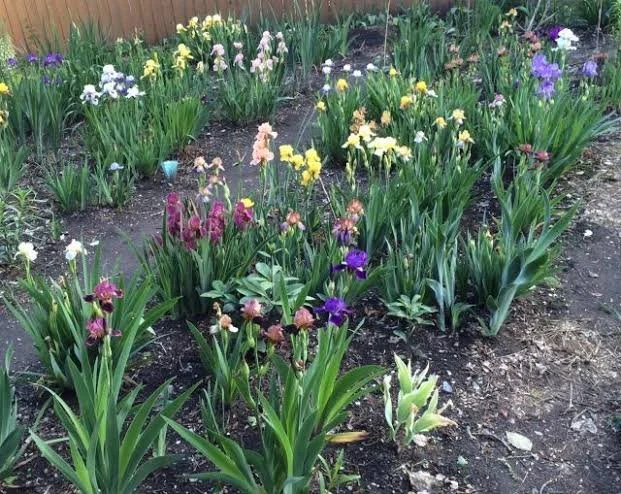
Exeter's Growing Conditions and Timing
Exeter's mix of established garden beds and riverside properties along the Squamscott makes it wonderful iris country, but the town's soil can vary quite a bit from yard to yard. Some areas have the loamy, well-drained soil iris love, while others hold more moisture than these sun-loving rhizomes prefer.
Because Exeter sits a bit further inland than coastal towns like Rye or Portsmouth, it's spared some of the direct salt spray, but Zone 6b's humid summer stretch still applies. That humidity, combined with heavier soil in some low-lying yards, makes good drainage and proper spacing even more important when you replant.
The six to eight week window after blooming ends is ideal for division. By late July, the rhizomes have stored enough energy to handle being lifted, and there's still enough warm weather ahead for new roots to establish before fall.
Step One: Lift the Clump
Use a garden fork to gently lift the entire clump, working a few inches out from the visible rhizomes to avoid damaging them. Once out of the ground, shake or rinse off excess soil so you can see the rhizomes clearly.
Look for firm, healthy sections with a fan of leaves attached. Older, woody centers with little or no leaf growth have likely stopped producing well and can be discarded.
Step Two: Divide and Inspect
Using a clean, sharp knife, cut the rhizomes into sections, each with at least one healthy fan of leaves and a good portion of firm, white root. Discard any pieces that feel soft, mushy, or show tunneling, which is a sign of iris borer damage.
This is also a good moment to trim the leaf fans back to about six inches, forming a fan shape. It reduces water loss while the roots reestablish and makes new divisions less likely to topple in the wind.
Step Three: Replant Properly
Bearded iris need their rhizomes planted shallow, with the top just barely visible above the soil line. Planting too deep is one of the most common reasons for poor blooming, since these rhizomes need direct sun on top to flower well.
Space new divisions twelve to eighteen inches apart to allow room for a few years of growth before crowding becomes an issue again. Water thoroughly after planting, then let the soil dry between waterings, iris rhizomes are far more prone to rot from overwatering than underwatering.
Step Four: Choose the Right Spot
Iris need at least six hours of direct sun to bloom their best, so look for a bed that isn't shaded by trees or taller perennials. Good air circulation around the rhizomes also helps prevent the fungal and bacterial issues that thrive in Exeter's humid summer air.
If your current bed tends to hold water after heavy rain, consider relocating divisions to a raised area or amending the soil with compost to improve drainage before replanting.
A Task Worth Doing Well
Dividing iris is one of those garden tasks that rewards patience and a careful hand. Done well, it can extend the life and beauty of a planting for decades, some Seacoast gardens still bloom from iris divided generations ago.
Pairing this kind of seasonal plant care with routine pruning, shrub maintenance, and bed cleanup keeps the whole property looking well-tended, not just one corner of it.
Let Seacoast Gardener Help Your Beds Thrive
Dividing and replanting iris takes an experienced eye, from knowing when a clump is ready to spotting borer damage before it spreads. At Seacoast Gardener, we bring that expertise to fine gardening, pruning, shrub care, and seasonal maintenance for homeowners throughout Exeter and the greater Seacoast region.
Whether your iris beds need dividing or your property could use a broader seasonal refresh, we're here to help your garden look its best all year long.
📞 (603) 770-5072 | 🌐 www.seacoastgardener.com
