When Is the Best Time to Prune Lilacs in New Hampshire
New Hampshire’s State Flower
Few plants announce spring on the Seacoast as beautifully as lilacs. Their fragrant clusters of purple, pink, or white blooms are a highlight from Portsmouth to Rye, Exeter to North Hampton. As beloved as they are, lilacs can quickly grow leggy, overgrown, or bloom less if they aren’t pruned at the right time. Knowing when and how to prune makes all the difference in keeping these classic shrubs healthy, full, and vibrant.
Timing Is Everything
Lilacs form their flower buds the summer before they bloom. This means that if you prune too late in the season, you’ll cut off next year’s blossoms. The best time to prune lilacs in New Hampshire is immediately after they finish blooming in late May or early June. This timing gives you a clear view of the spent flowers while still leaving plenty of time for new growth and bud formation before winter.
In our Seacoast Zone 6b climate, pruning in late spring also allows shrubs to recover before the stress of hot summer weather or the freeze-thaw cycles of winter.
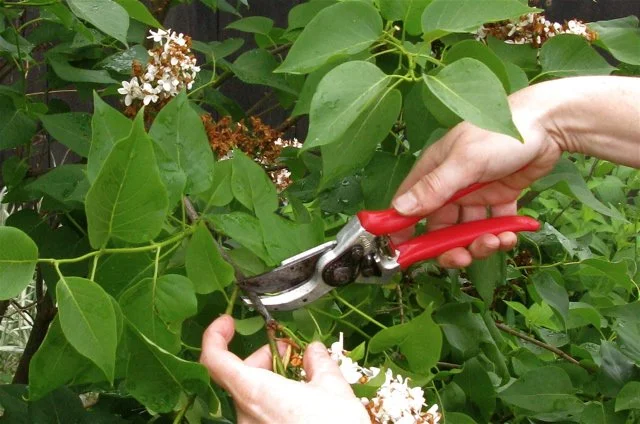
3 Basic Tips for Pruning Established Lilac
Prune Right After Bloom. Cut right after flowers fade in late May or June to keep blooms coming every spring.
Thin the oldest stems out take as many as 1/3 of the oldest stems out every year or two
Lastly, shape the smaller shoots so that the plat takes on a nice even shape and mixture of old middle-aged and new wood
Different Types of Lilacs
Not all lilacs are the same, and pruning approaches vary slightly by type:
Common lilac (Syringa vulgaris) – These old-fashioned favorites grow tall and benefit from regular thinning to keep air flowing through the shrub. Remove a few of the oldest stems each year at the base to encourage younger, more vigorous shoots.
Dwarf Korean lilac (Syringa meyeri ‘Palibin’) – Smaller in stature, these lilacs often bloom again lightly in late summer. Light shaping right after their main bloom is all they need.
Japanese tree lilac (Syringa reticulata) – Grown as a small ornamental tree, this type requires little pruning beyond removing dead or crossing branches. Focus on structure rather than bloom management.
Reblooming lilacs (Syringa varieties like ‘Bloomerang’) – These newer hybrids flower in spring and again in late summer or fall. Prune lightly after the spring bloom, and deadhead to encourage a second flush of flowers.
Basic Pruning Practices
The key to pruning lilacs successfully lies in keeping the shrub open, balanced, and continuously rejuvenated. Start by deadheading the spent blooms right after flowering. Snipping just below the flower cluster redirects the plant’s energy away from seed production and into forming new growth and next year’s buds. From there, turn your attention to the base. Each year, remove about one-third of the oldest, thickest stems at ground level. This steady renewal ensures a healthy mix of young shoots and mature wood, keeping the shrub both attractive and productive.
How to Thin for Better Health
As lilacs mature, they naturally grow dense with crossing branches and tangled interiors. While lush growth may seem healthy, overcrowding actually reduces airflow and sunlight penetration — two essentials for keeping shrubs disease-free. On the New Hampshire Seacoast, where humid summers are common, poor circulation can quickly lead to powdery mildew. Thinning out interior stems opens the plant, reducing disease risk while also improving the quality of future blooms. Always use sharp, clean tools, and cut stems smoothly at the base rather than leaving stubs that invite rot.
Rejuvenation Pruning for Old Lilacs
Some lilacs have been standing for decades, becoming tall, woody, and sparse. When blossoms are fewer and growth seems tired, rejuvenation pruning offers a fresh start. The gentler method involves a three-year process: remove one-third of the oldest trunks each year, encouraging vigorous new shoots to take their place. For a more dramatic approach, all stems can be cut back to about six to twelve inches above the ground. While this hard cutback sacrifices flowers for a year or two, it resets the shrub completely, resulting in a stronger, more youthful plant. Because the process is demanding, many homeowners prefer to have an experienced gardener handle it.
Soil and Climate Considerations on the Seacoast
Lilacs thrive across New Hampshire but respond differently depending on soil type and exposure. Along the coast in towns like Rye and Portsmouth, sandy soils dry out quickly, so mulching after pruning is essential to retain moisture. Further inland in Exeter and North Hampton, heavier clay soils can stress roots if they hold too much water. Pruning that opens up the shrub helps reduce this stress by improving airflow and balance. The Seacoast’s Zone 6b climate also brings freeze–thaw cycles that are tough on shrubs. Pruning right after bloom provides the longest recovery window before winter sets in. Pairing careful pruning with soil care — adding compost, applying organic mulch, and managing water — creates the best foundation for long-lasting lilacs.
Common Mistakes to Avoid
Lilacs are forgiving, but a few common mistakes can compromise their beauty. Pruning too late in the year almost always results in the loss of the following spring’s blooms. Shearing the shrub into a hedge-like shape weakens the plant and leaves it looking unnatural. Leaving stubs after cuts not only looks messy but also exposes the shrub to disease. And perhaps the most frequent mistake is neglect. Without regular pruning, lilacs become tall, woody, and sparse, losing much of their spring charm. Light, consistent care will always produce better results than drastic, infrequent cuts.
Pairing Pruning with Other Garden Care
Pruning works best when combined with overall good garden practices. Lilacs benefit from weed-free beds, which reduce competition for water and nutrients. A two- to three-inch layer of mulch helps regulate soil temperature, hold moisture, and improve root health. In some cases, pruning nearby ornamental trees and shrubs to increase light exposure can also boost lilac performance. On the Seacoast, where spring rains and summer humidity are a constant, these combined efforts create the conditions for healthier shrubs and longer-lived blooms.
Why Professional Help Matters
While pruning lilacs may sound straightforward, every cut influences the shrub’s future growth and bloom potential. A professional eye can make all the difference, especially when dealing with older shrubs or complex rejuvenation pruning. Skilled gardeners know which stems to remove and which to preserve, how to balance the shrub’s shape, and how to pair lilac care with the overall health of the landscape. For homeowners in Portsmouth, Rye, Exeter, and Hampton Falls, professional pruning ensures your lilacs remain vibrant, fragrant, and healthy year after year.
A Long-Lived Seacoast Favorite
When cared for properly, lilacs can live for decades, becoming an enduring part of a property’s character. Their fragrant springtime blossoms are a tradition across New Hampshire, a signal that the season has truly arrived. With the right timing and pruning methods, these shrubs remain both reliable and breathtaking, year after year.
Contact Us Now
At Seacoast Gardener, we take pride in caring for lilacs and other ornamental shrubs with precision and expertise. Our team understands the unique soils, weather, and seasonal rhythms of the Seacoast and brings that knowledge into every garden we tend. Whether you’re in Portsmouth, Rye, Exeter, North Hampton, or Hampton Falls, we’re ready to help your lilacs and your landscape thrive. Contact Seacoast Gardener today to schedule professional pruning and fine-gardening services that keep your garden healthy, beautiful, and timeless.
