How to Kill Weeds with Vinegar: 6 Essential Steps
Kill Weeds Naturally with Vinegar
Want to know how to kill weeds with vinegar? When the growing season is in full swing, weeds often show up uninvited — whether in your garden beds, walkways, or backyard borders. Even the most attentive gardener will find a few unwanted plants poking through the mulch or crowding their vegetables. A handful of weeds may not seem like a big deal, but after a week away on vacation or a few rainy days, it can quickly feel like a jungle out there. If you live in Rye, NH, or nearby and you're looking for a natural way to keep your garden tidy without relying on harsh chemicals, killing weeds with vinegar should be at the top of your list. Many herbicides contain harsh chemicals that can harm beneficial plants, insects, pets, and soil life. That’s why vinegar has become a go-to DIY solution. It’s inexpensive, easy to find, and when used correctly, can be quite effective at knocking down common garden weeds. To help you get started, here are six essential steps to follow for effective, targeted weed control using vinegar.
1. Choose the Right Vinegar
Not all vinegar is created equal when it comes to weed control. Household white vinegar (around 5% acetic acid) can work on young or shallow-rooted weeds, but for tougher growth, a stronger horticultural vinegar (20% or more acetic acid) is more effective. Be cautious: higher concentrations can cause skin and eye irritation, so wear protection.
2. Pick a Hot, Sunny Day
Timing matters. Vinegar works by drawing moisture out of the weed's leaves, and it’s most effective when applied in hot, dry conditions. Choose a sunny day with no rain in the forecast for at least 24 hours. The heat boosts the drying effect, helping the vinegar do its job faster and more thoroughly.
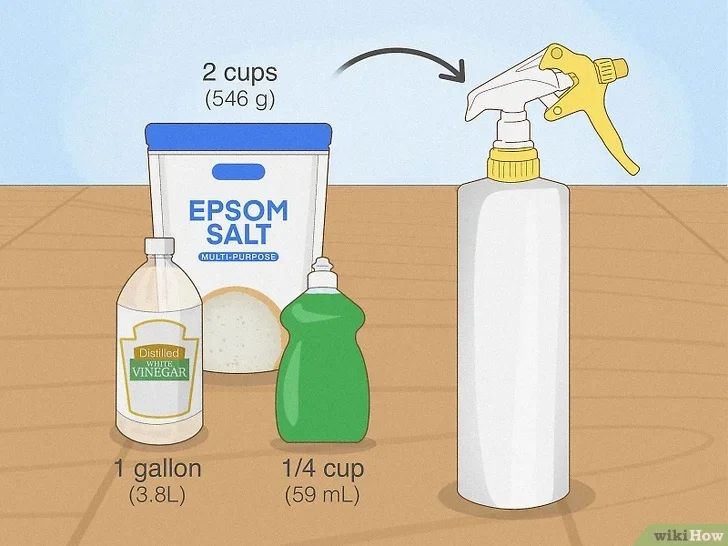
Homemade Vinegar Weed Killer: Easy Cheap & Effective
Homemade vinegar weed killers can be surprisingly effective when used correctly. The acetic acid in household vinegar burns plant tissue on contact, quickly wilting and killing weeds—especially young, tender ones. However, it’s important to remember that vinegar is a **broad-spectrum herbicide**: it kills everything it touches, including desirable plants and grass. It has no soil residual effect, so roots often survive, meaning weeds may regrow. Apply it carefully on dry, sunny days, using a spray shield or brush for precision. While natural and inexpensive, vinegar weed control requires caution and repeat applications for lasting results.
3. Apply Directly to the Weed
Use a spray bottle or garden sprayer to target the leaves of the weed directly. Be careful not to spray nearby grass, flowers, or vegetables — vinegar doesn’t discriminate and can damage any plant it touches. To stay precise, consider using a cardboard shield or piece of plastic to protect nearby plants.
4. Add a Few Drops of Dish Soap
Mixing a teaspoon or two of dish soap into your vinegar solution helps it stick to the leaves instead of running off. This improves absorption and increases the chance of killing the weed. The soap breaks down the waxy surface of leaves, allowing the vinegar to penetrate more effectively.
5. Repeat as Needed
Vinegar doesn’t kill the roots, so some weeds will regrow. You may need to reapply after a few days, especially for perennial weeds like dandelions or thistle. Regular monitoring and repeated applications can help exhaust the plant’s energy over time.
6. Use With Caution Around Soil
While vinegar is natural, it can lower the pH of your soil and harm beneficial microbes if overused. Avoid soaking the soil or using it repeatedly in the same spot. For weed control in garden beds, spot-treat carefully, or use vinegar primarily on sidewalks, driveways, or gravel paths where you’re not worried about long-term soil health.
7. When to Ask for Help
While vinegar can be a handy DIY solution for small or manageable weed problems, there are times when you might need a helping hand. If the weeds keep coming back no matter what you try, or if they’ve taken over large sections of your yard or garden beds, it might be time to call in a professional. Some invasive species have deep root systems or spread aggressively — and dealing with them early can save you time and frustration down the line. At Seacoast Gardener, we’re your local neighbors who just happen to know a lot about plants and how to manage them naturally. Whether you’re overwhelmed or just want a second opinion, we’re here to help you make sense of your space and keep it thriving.
8. Ready When You Are
If you have questions about natural weed control or want help getting your garden back in shape, we’d love to talk. Our team at Seacoast Gardner offers free consultations for homeowners in Rye, Hampton, Hampton Falls, and nearby areas. Whether it’s a one-time project or ongoing care, we’re happy to create a plan that fits your yard and your goals. Just CONTACT US when you’re ready — we’re always here to help things grow.