Caring for Indoor Bulbs After Bloom
A Seacoast Gardener’s Guide to Keeping the Beauty Going
Every winter here on the New Hampshire Seacoast, I see the same thing happen in homes from Portsmouth to Exeter. A pot of forced bulbs brightens a windowsill in January or February, then once the flowers fade, the whole container gets tossed. It feels like the show is over. But if you treat those bulbs well after bloom, you can often enjoy them again, either in your garden beds or in containers next season. As a Master Gardener working in Zone 6b along the Seacoast of New Hampshire and Southern Maine, I can tell you that what you do after flowering makes all the difference.
Let the Foliage Do Its Work
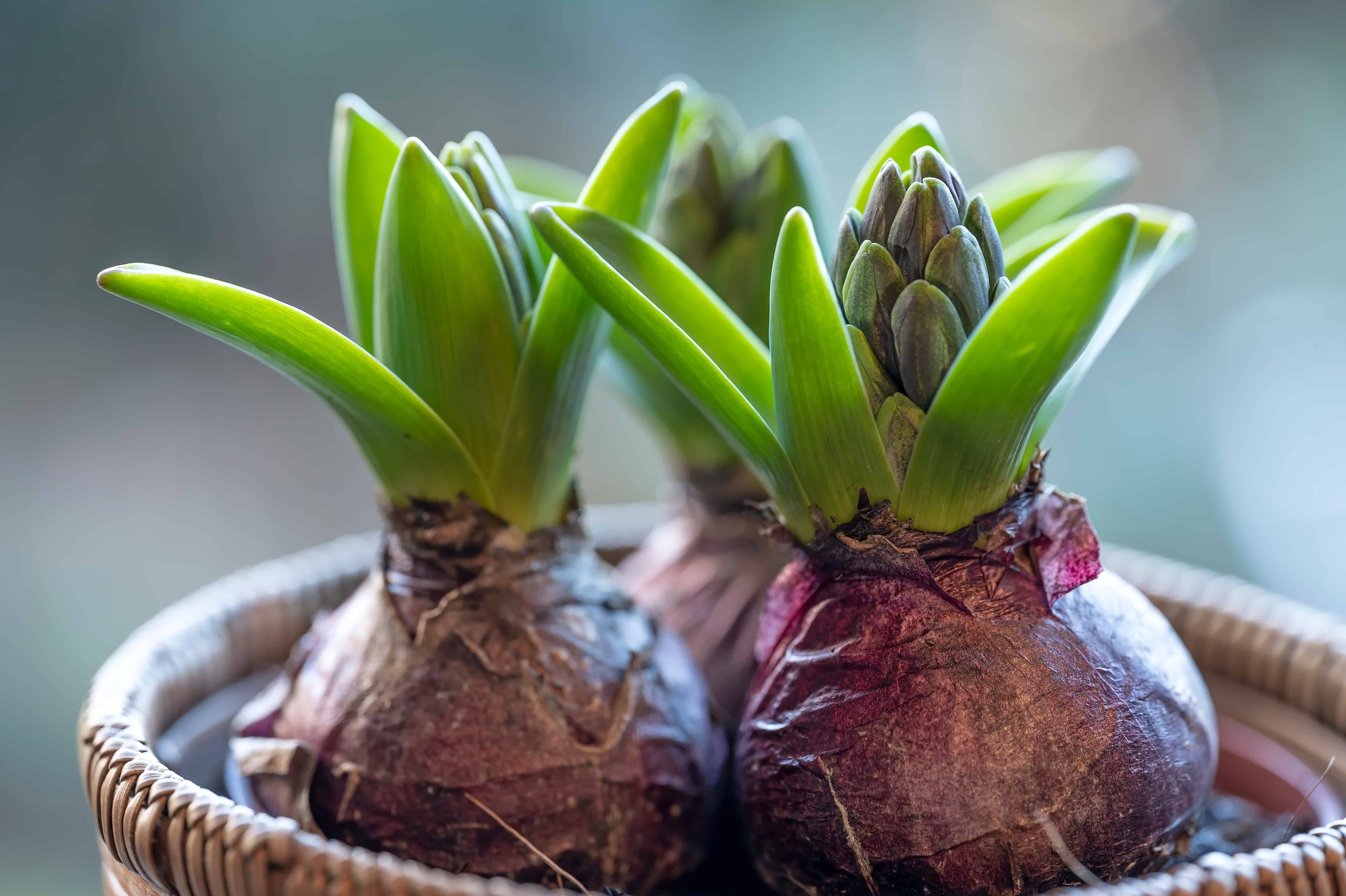
When the blooms fade on paperwhites, amaryllis, tulips, or hyacinths, resist the urge to cut everything back. Snip off the spent flower stalk, but leave the green leaves in place. Those leaves are busy rebuilding the bulb’s energy reserves. Bulbs store nutrients to power next year’s growth. If you remove the foliage too soon, you rob the plant of its ability to recharge. Place the pot in a bright window and treat it like a regular houseplant for several weeks.
Water and Feed Lightly
After bloom, indoor bulbs still need consistent care. Water when the top inch of soil feels dry, but do not let the pot sit in standing water. Overwatering is one of the most common problems I see in homes across Rye and North Hampton. A light application of a balanced liquid fertilizer every few weeks can help support healthy leaf growth. This extra nutrition encourages strong bulbs that are more likely to thrive once moved outdoors. Healthy foliage now means stronger flowers later.
Know Which Bulbs Can Go Outside
Not all indoor bulbs behave the same way once they finish blooming. In our Seacoast climate, hardy bulbs like tulips, daffodils, and hyacinths can often be planted outside once the ground thaws. Amaryllis and paperwhites, however, are typically better suited to continued indoor care. For hardy types, wait until the foliage yellows naturally. Then trim it back and prepare to transition the bulb outdoors. Timing matters here in Zone 6b, where spring soil temperatures and drainage conditions can vary from Portsmouth’s coastal neighborhoods to inland areas like Exeter.
Transplanting to the Garden
When the soil is workable in spring, choose a well-drained location. Bulbs do not tolerate soggy roots, especially in our heavier Seacoast soils that can hold moisture after snowmelt. If needed, amend the planting area with compost to improve drainage and structure. Plant bulbs at the proper depth, usually about two to three times the height of the bulb. Space them so air can circulate, reducing the risk of fungal issues during humid summer stretches. A layer of mulch helps regulate soil temperature and moisture as the season progresses.
Managing Expectations
One important note I share with clients from North Hampton to Southern Maine: do not expect a big show the first year after forcing. Many bulbs need a full season in the ground to rebuild enough strength to bloom again. Sometimes they skip a year. That does not mean they failed. It means they are investing in long-term health. With proper mulching, seasonal weeding, and attention to soil health, these bulbs can naturalize and provide reliable spring color in the years ahead.
Caring for Amaryllis Indoors
Amaryllis deserves special mention because it is one of the most popular winter bulbs. After flowering, remove the spent stalk but keep the leaves. Place the plant in bright light and water regularly through spring and summer. Once danger of frost has passed here on the Seacoast, you can move the pot outdoors to a sunny, sheltered location. In late summer, reduce watering to encourage dormancy. By early fall, allow the leaves to die back and store the bulb in a cool, dark place for eight to ten weeks before restarting the cycle.
Integrating Bulbs Into a Fine Garden Plan
Indoor bulbs are just one piece of a well-designed landscape. At Seacoast Gardener, we often help clients in Portsmouth, Rye, and Exeter think beyond a single season. Bulbs can be layered into perennial beds, underplanted beneath ornamental trees, or woven into shrub borders for early spring interest. Proper pruning of nearby shrubs and ornamental trees ensures bulbs receive adequate light before canopy leaves fill in. Seasonal mulching protects bulbs from temperature swings, while careful weeding reduces competition for nutrients and water. These small details are what turn scattered plantings into a cohesive fine garden.
Soil, Drainage, and Coastal Conditions
Our coastal environment presents unique challenges. Salt air, sandy pockets near the shore, and heavier inland soils all influence how bulbs perform. In some Portsmouth and Rye gardens, drainage is excellent but nutrients may be limited. In other areas, compacted soils require loosening and organic matter. Understanding your specific site conditions is key. Improving soil structure, monitoring moisture, and adjusting planting depth slightly for local conditions can dramatically improve bulb longevity. This is where professional fine gardening services can make a lasting difference.
Seasonal Timing Is Everything
Caring for indoor bulbs after bloom connects directly to the larger rhythm of the garden year. Late winter is for planning and indoor care. Early spring is for planting and soil preparation. Summer focuses on maintenance, weeding, and monitoring plant health. By fall, we assess which bulbs have established well and where additional planting might enhance next year’s display. Thoughtful seasonal timing supports not only bulbs but shrubs, ornamental trees, and the overall health of your landscape.
A Thoughtful Approach to Longevity
It is easy to see bulbs as temporary decorations. But with a little patience and the right care, they can become part of a long-term garden story. Each spring bloom becomes a reminder that thoughtful stewardship pays off. If you are unsure how to transition indoor bulbs into your outdoor beds, or if you would like help integrating them into a comprehensive planting plan, Seacoast Gardener is here to help. We provide expert pruning, shrub care, ornamental tree maintenance, mulching, and fine gardening services throughout Portsmouth, Rye, Exeter, North Hampton, and the surrounding Seacoast of New Hampshire and Southern Maine.
A well-tended bulb today can become a reliable spring highlight for years to come. Let us help you care for your garden with the attention, timing, and local expertise it deserves.