Azaleas That Thrive on the New Hampshire Seacoast: Practical Planting and Ongoing Care
Azaleas That Truly Thrive Along the Seacoast
Azaleas are often thought of as Southern shrubs, but many varieties are well suited to coastal New Hampshire and southern Maine when planted with care. In towns like Portsmouth, Rye, Kittery Point, and York, azaleas offer dependable spring color, tidy structure, and a long-lived presence in the landscape. With the right placement, they are far more resilient than their reputation suggests.
Along the Seacoast, azaleas earn their keep by fitting naturally into woodland edges, foundation plantings, and lightly shaded gardens. They bring strong seasonal interest without demanding constant attention, which makes them ideal for homeowners who want beauty without high maintenance.
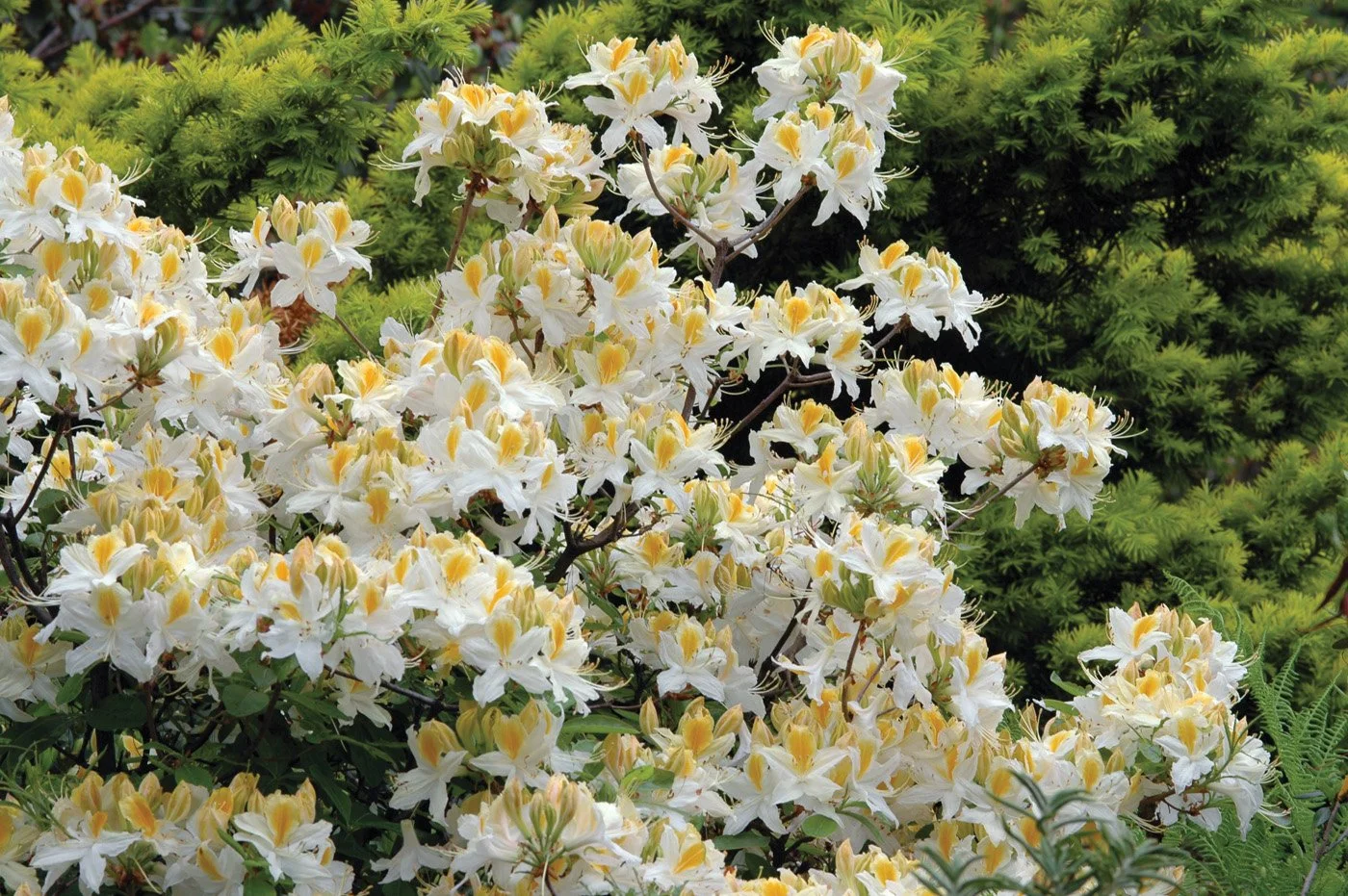
Tips to Maximize Spring Azalea Bloom
Maximizing azalea bloom comes down to proper light, drainage, and timing. Morning sun with afternoon shade encourages strong flowering, while well-drained, acidic soil keeps roots healthy. Prune only after spring bloom, since buds form early. With minimal interference and consistent spring moisture, azaleas thrive and bloom reliably in Zone 6b coastal gardens.
.
Understanding Azaleas in Zone 6b
Most garden azaleas fall into two broad groups: evergreen and deciduous. Evergreen azaleas keep their leaves year-round and form compact, rounded shrubs, while deciduous azaleas lose their leaves in winter and tend to grow taller and more open. Both can perform well in Exeter, Greenland, Eliot, and Ogunquit when matched to the right conditions.
Cold tolerance matters along the coast, where winter winds and temperature swings can be harder on plants than inland cold alone. Choosing varieties rated comfortably for Zone 6b—and planting them out of direct winter wind—goes a long way toward long-term success.
Site Selection: Light, Shelter, and Airflow
Azaleas prefer dappled light or morning sun with afternoon shade, which mirrors the woodland conditions they evolved in. In coastal neighborhoods like Newcastle or Cape Neddick, filtered light beneath tall pines or near deciduous trees often provides the ideal balance. Too much shade reduces flowering, while harsh afternoon sun can stress plants and fade blooms.
Good airflow is just as important as shelter. Azaleas appreciate protection from strong ocean winds, but they should never be tucked into stagnant corners where moisture lingers. A calm, open setting helps prevent disease and encourages even growth.
xxx Soil and Planting: The Real Key to Success
Healthy azaleas begin with soil that drains well and leans acidic. Heavy or compacted soils are common in Stratham, North Hampton, and parts of Hampton, so planting technique matters more than fertilizer. Azaleas have shallow root systems and suffer quickly in wet conditions.
When planting, it helps to:
* Set the root ball slightly above the surrounding grade
* Amend with compost rather than heavy topsoil
* Mulch lightly to conserve moisture without burying the crown
These small steps prevent root stress and dramatically improve long-term performance.
Seasonal Care Without the Fuss
Once established, azaleas are surprisingly tolerant of dry spells, especially when mulched. They benefit from consistent moisture during their first few seasons, but mature plants prefer soil that dries slightly between waterings. Overwatering is a far more common problem than drought.
Fertilizing should be gentle and infrequent. A light spring feeding or annual compost topdressing is usually enough to support healthy growth without pushing excess foliage at the expense of flowers.
Pruning: Less Is Almost Always More
Azaleas rarely need regular pruning. Removing a stray branch or tidying the outline after flowering is usually sufficient. If pruning is necessary, it should be done shortly after blooms fade so next year’s buds have time to form.
Even older, overgrown azaleas are forgiving. When rejuvenated properly, they respond with dense new growth and renewed vigor, though a single season of reduced flowering is normal and temporary.
A Thoughtful Addition to Coastal Gardens
Azaleas reward patience and thoughtful placement with decades of color and structure. In coastal gardens from Portsmouth to Ogunquit, they bridge the gap between ornamental shrubs and natural woodland plantings. Their adaptability makes them a reliable choice when matched carefully to site conditions.
If you’d like help selecting, placing, or restoring azaleas in your landscape, Seacoast Gardener is happy to guide the process. We work with coastal soils, light conditions, and seasonal rhythms every day, helping gardens settle in beautifully for the long term.
📞 (603) 770-5072 | 🌐 www.seacoastgardener.com