Compost Planning for the Year Ahead
Building Better Soil for Seacoast Gardens
Every thriving garden along the Seacoast of New Hampshire and Southern Maine has one thing in common: healthy soil. From Portsmouth’s coastal neighborhoods to the inland yards of Exeter and North Hampton, the gardens that truly shine are rooted in thoughtful compost planning. Compost is not just a pile in the corner. It is the foundation for strong shrubs, resilient ornamental trees, and vibrant perennial beds. As a Master Gardener working in Zone 6b, I often remind homeowners that composting is not a spring project. It is a year round strategy. When you plan your compost with intention, you improve plant health, reduce waste, and create a more sustainable fine gardening routine.
Understanding Our Seacoast Soils
Here on the Seacoast, soil conditions vary more than many people realize. In Rye and coastal Portsmouth, you may find sandy soils that drain quickly but lack organic matter. In parts of Exeter and inland Southern Maine, heavier soils can hold moisture and become compacted. Compost helps balance both extremes. In sandy soil, it increases water retention and nutrient availability. In heavier soils, it improves structure and drainage, creating the crumbly texture roots love. A consistent compost plan makes a noticeable difference in plant vigor and longevity.
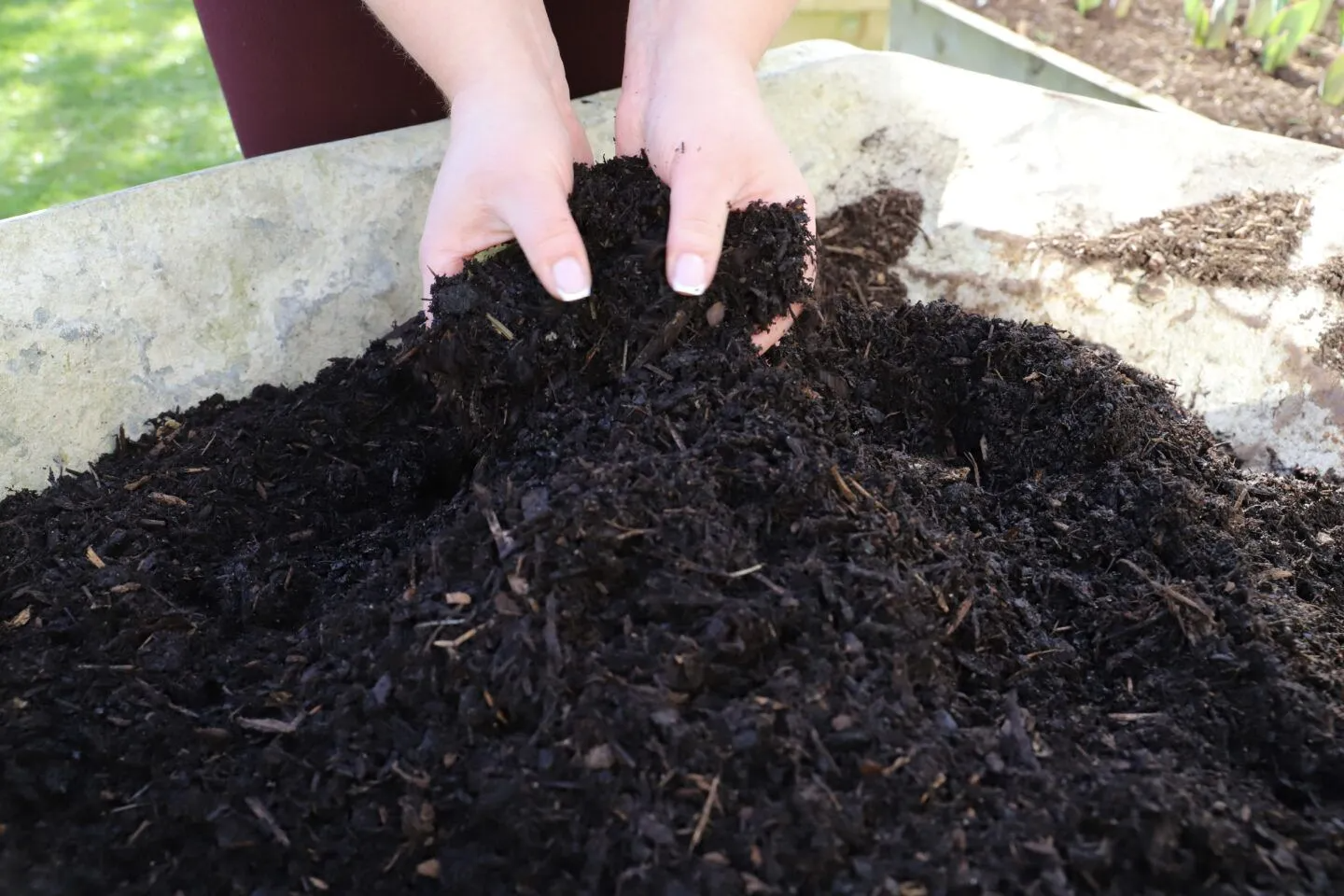
Start With a Clear Compost Goal
Before you begin adding kitchen scraps and yard waste, think about how you want to use your compost. Are you preparing new planting beds this spring. Improving shrub borders. Supporting ornamental trees that have struggled. Planning a vegetable patch.
Knowing your goal helps determine how much compost you will need and when. For example, if you plan to refresh mulched beds in North Hampton or expand perennial borders in Portsmouth, you may want finished compost ready by early spring. That means starting your pile the previous summer or fall.
What to Compost and What to Avoid
A balanced compost pile needs both green and brown materials. Greens include kitchen scraps like vegetable peels, coffee grounds, and fresh grass clippings. Browns include dried leaves, shredded paper, and small twigs. Avoid adding meat, dairy, or oily foods, which can attract pests. In our Seacoast climate, wildlife is always nearby. Keeping your compost clean and properly layered reduces unwanted visitors and odors. Turning the pile regularly encourages even decomposition and healthy microbial activity.
Seasonal Compost Planning in Zone 6b
Each season offers opportunities to feed your compost system. In fall, leaves are abundant in Portsmouth and Rye neighborhoods. Shredded leaves are one of the best brown materials you can add. Stockpiling them ensures you have carbon rich material throughout winter and spring. Winter composting continues, even when the pile slows down in cold weather. Add kitchen scraps consistently and cover them with stored leaves. Come spring, as temperatures rise, microbial activity increases and the pile heats up again. Spring and summer bring grass clippings, spent annuals, and pruned plant material. When performing shrub care or ornamental tree pruning, smaller healthy trimmings can be chipped and added to the compost. Diseased plant material should be disposed of separately to protect garden health.
Using Compost to Support Pruning and Plant Health
Compost and pruning go hand in hand. After pruning shrubs and ornamental trees, applying a layer of finished compost around the root zone supports recovery and new growth. This is especially important in early spring when plants are preparing for active growth. In established gardens throughout Exeter and North Hampton, we often top dress beds with compost before applying fresh mulch. This feeds the soil while mulch protects moisture and regulates temperature. The combination strengthens plant resilience through summer heat and coastal wind exposure.
Improving Long Term Garden Structure
Compost does more than feed plants. It improves soil biology. Healthy soil teems with beneficial organisms that break down organic matter and make nutrients accessible to roots. Over time, regular compost applications create a self sustaining system that requires fewer interventions. For homeowners investing in fine gardening services, compost planning enhances every aspect of the landscape. Shrub care becomes more effective. Ornamental trees develop stronger root systems. Perennials establish more quickly and bloom more reliably.
Weeding and Compost Strategy
A well nourished garden also competes better against weeds. Strong plants fill in space and shade soil, reducing opportunities for weed seeds to germinate. When weeding beds in Portsmouth or Rye, consider adding a thin layer of compost before reapplying mulch. This not only improves soil health but also strengthens desired plants. Compost acts as a slow release nutrient source, supporting steady growth rather than the rapid flush that synthetic fertilizers can cause.
Planning for New Plantings
If you are planning new garden beds this year, compost should be part of the preparation process. Incorporate it into the top several inches of soil before planting shrubs, ornamental trees, or perennials. This improves root establishment and long term performance. In sandy Seacoast soils, compost helps retain moisture during dry spells. In heavier inland soils, it reduces compaction and enhances drainage. Either way, thoughtful soil preparation sets your landscape up for success.
Community and Sustainability
Composting is also a meaningful way to reduce household waste. Instead of sending organic material to the landfill, you return it to the soil. Many communities in Southern Maine and New Hampshire support composting initiatives, making it easier than ever to participate. As gardeners, we have a unique opportunity to close the loop. What we grow, prune, and harvest can feed next year’s growth. That cycle reflects the natural rhythm of the Seacoast landscape itself.
A Plan for the Year Ahead
Compost planning does not require perfection. It requires consistency. Start small if needed. Set realistic goals for how much material you can manage. Build a routine of turning, layering, and monitoring moisture. Over time, the results become visible in healthier shrubs, fuller ornamental trees, and more vibrant garden beds. Your landscape becomes easier to maintain because the soil is doing more of the work.
Professional Year-Round Garden Design and Installation
If you would like guidance on improving soil health, integrating compost into your fine gardening plan, or coordinating compost applications with pruning, mulching, and seasonal maintenance, Seacoast Gardener is here to help. We proudly serve Portsmouth, Rye, Exeter, North Hampton, and the surrounding Seacoast of New Hampshire and Southern Maine with professional pruning, shrub care, ornamental tree services, and comprehensive garden maintenance.
Healthy gardens begin below the surface. With thoughtful compost planning, you can build soil that supports beauty and resilience for years to come. Let Seacoast Gardener help you nurture the foundation of your landscape with expert care and local knowledge.
📞 (603) 770-5072 | 🌐 www.seacoastgardener.com