Soil Testing and Amending Before Spring
Setting Your Seacoast Garden Up for Success
Every spring, gardeners across Portsmouth, Rye, Exeter, and North Hampton feel that familiar excitement. The snow recedes, the days grow longer, and plans for fresh plantings begin to take shape. But before we think about new shrubs, ornamental trees, or perennial borders, there is one essential step that should never be skipped: soil testing. As a Master Gardener working in Zone 6b along the Seacoast of New Hampshire and Southern Maine, I have seen firsthand how soil preparation determines the long term health of a landscape. Beautiful gardens are not built from the top down. They are built from the ground up.
Why Soil Testing Matters in the Seacoast Region
Our local soils vary dramatically from one town to the next. In coastal areas of Rye and Portsmouth, sandy soils drain quickly but often lack organic matter and key nutrients. Move inland toward Exeter or parts of Southern Maine, and you may encounter heavier, more compacted soils that hold moisture and limit root growth. Without testing, you are simply guessing. A soil test provides valuable information about pH levels, nutrient availability, and overall soil structure. It tells you exactly what your plants need rather than relying on broad recommendations.
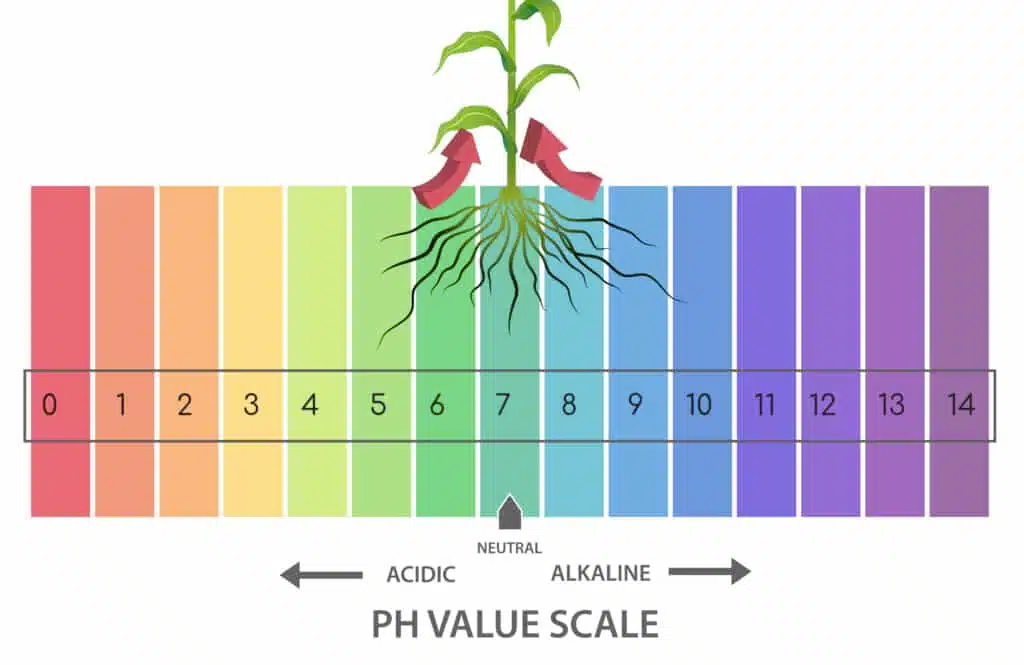
Understanding Soil pH in Zone 6b
One of the most important results from a soil test is pH. Many ornamental shrubs and trees common to Seacoast gardens, including hydrangeas, rhododendrons, and certain evergreens, are sensitive to soil acidity. If the pH is too high or too low, plants struggle to absorb nutrients even if those nutrients are present. Adjusting pH before spring growth begins allows roots to access what they need during the active growing season. This early preparation leads to stronger foliage, better flowering, and improved resistance to pests and disease.
How to Collect a Proper Soil Sample
Collecting a soil sample is straightforward but should be done carefully. Use a clean trowel to take small samples from several spots within a garden bed or lawn area. Mix them together in a clean bucket to create a representative sample. Avoid sampling immediately after fertilizing or applying compost. Late winter or very early spring, before new growth starts, is an ideal time. Testing at this stage gives you enough time to amend the soil before peak planting season.
Amending Sandy Coastal Soils
In sandy areas near the coast, improving organic matter is often the primary goal. Compost is one of the most effective amendments. It enhances water retention and supports beneficial soil microbes that improve nutrient cycling. Incorporating compost into planting beds before spring helps prepare them for shrubs, ornamental trees, and perennials. For established gardens in Portsmouth or Rye, top dressing with compost and following with a fresh layer of mulch provides both nutrition and moisture regulation.
Improving Heavy or Compacted Soils
Inland areas like Exeter may experience heavier soils that compact over time. Compaction restricts root growth and can lead to drainage problems. In these cases, adding organic matter such as compost helps loosen the soil and improve structure. Avoid overworking wet soil in early spring, as this can worsen compaction. Instead, wait until the soil is workable and crumbly. Gentle incorporation of amendments creates better airflow and root development without damaging soil structure.
Timing Matters Before Spring Growth
Soil amendments need time to integrate. Applying lime to adjust pH or incorporating compost works best when done several weeks before active growth. This allows natural processes to begin breaking down materials and distributing nutrients. Early spring is also the ideal time to coordinate soil preparation with pruning and shrub care. After pruning ornamental trees or shaping shrubs, amending the soil around the root zone supports healthy regrowth. This integrated approach strengthens the entire landscape.
Supporting Long Term Plant Health
Healthy soil reduces the need for corrective measures later in the season. When plants receive balanced nutrition from the start, they are more resilient to drought, heavy rains, and temperature fluctuations common in Zone 6b. Strong soil also enhances the effectiveness of mulching and weeding efforts. Well nourished plants fill in more quickly, creating natural shade that suppresses weed growth. A thoughtful soil strategy supports every aspect of fine gardening maintenance.
Common Mistakes to Avoid
One common mistake is applying fertilizer without testing first. Excess nutrients can lead to excessive leafy growth at the expense of flowers, or even damage roots. Another mistake is ignoring soil preparation entirely and focusing only on surface improvements. Mulch is important, but it cannot compensate for poor soil underneath. Compost and targeted amendments work below the surface, building a foundation for lasting beauty in gardens across North Hampton, Portsmouth, and surrounding communities.
Integrating Soil Care Into Your Garden Plan
Soil testing and amending should be part of a comprehensive garden plan. When designing new beds or refreshing established landscapes, consider how soil health connects to plant selection, pruning schedules, and seasonal maintenance. For example, when installing new ornamental trees, incorporating compost into the planting area improves root establishment. When refreshing shrub borders, testing and adjusting pH ensures flowering plants perform at their best. Soil care is not a one time task. It is an ongoing commitment.
Local Expertise Makes a Difference
Each property along the Seacoast has its own microclimate and soil conditions. Coastal exposure, wind patterns, and drainage all influence how amendments perform. What works in one Portsmouth garden may need slight adjustment in a sheltered Exeter yard. Working with a professional fine gardening service ensures that soil testing results are interpreted correctly and that amendments are applied at the right time and in the right amounts. Experience with local conditions allows for more precise and effective care.
Preparing Now for a Stronger Spring
As winter gives way to spring, it is tempting to rush into planting. Taking the time to test and amend your soil first is one of the most valuable investments you can make in your landscape. Healthy soil supports vibrant blooms, strong shrubs, and thriving ornamental trees throughout the growing season. If you would like help with soil testing, amending, pruning, shrub care, mulching, or seasonal garden planning, Seacoast Gardener is here to serve Portsmouth, Rye, Exeter, North Hampton, and the surrounding Seacoast of New Hampshire and Southern Maine. Our professional fine gardening services are rooted in local knowledge and a commitment to long term plant health.
Before the first buds open this spring, let us help you prepare the soil beneath them. Strong gardens begin with strong foundations, and thoughtful soil care is where that foundation is built.
📞 (603) 770-5072 | 🌐 www.seacoastgardener.com