Starting a Cutting Garden from Seed
Growing Beauty to Bring Indoors All Season Long
There is something deeply satisfying about stepping into your own garden, snipping a handful of fresh flowers, and bringing them inside. A cutting garden is not just about color outdoors. It is about filling your home with blooms grown by your own hands. Here on the Seacoast of New Hampshire and Southern Maine, starting a cutting garden from seed is one of the most rewarding spring projects you can take on.
As a Master Gardener working in Zone 6b, I often encourage homeowners in Portsmouth, Rye, Exeter, and North Hampton to dedicate even a small space to flowers meant specifically for cutting. With thoughtful planning, proper soil preparation, and seasonal timing, a cutting garden can provide armfuls of blooms from early summer through the first frost.
Choosing the Right Location
A successful cutting garden begins with the right site. Most flowering plants grown for cutting need at least six to eight hours of direct sunlight. In coastal areas like Rye and Portsmouth, consider wind exposure as well, since steady ocean breezes can stress young plants.
Look for a location with good drainage. Many Seacoast soils vary from sandy near the coast to heavier inland. If water tends to sit after rain, improving drainage before planting is essential. Healthy roots lead to stronger stems and better blooms.
Preparing the Soil
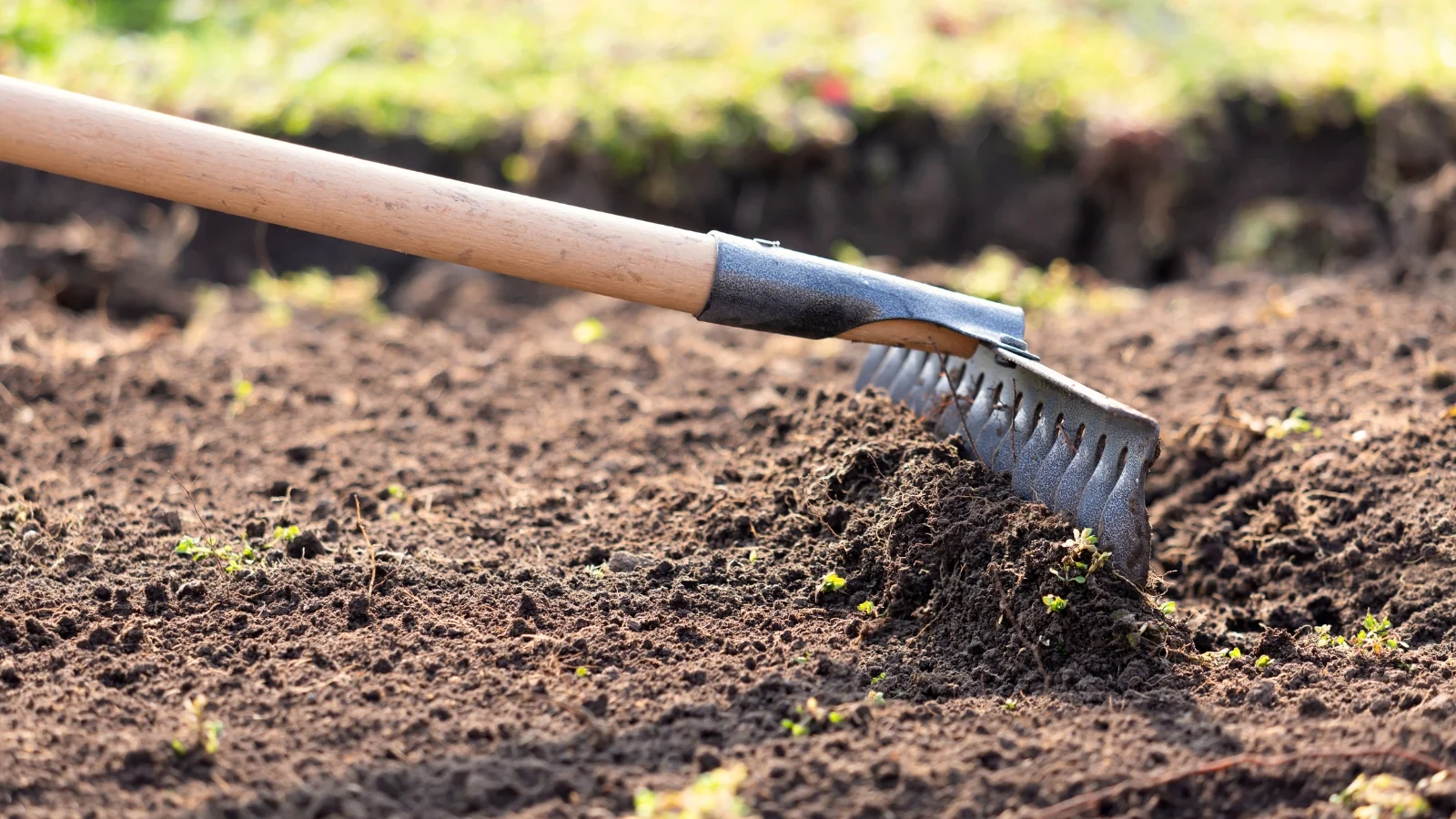
Strong flowers start with healthy soil. Before sowing seeds, loosen the soil to a depth of several inches and incorporate compost to improve structure and fertility. In sandy soils, compost helps retain moisture during dry summer spells. In heavier soils, it prevents compaction and encourages proper drainage.
A soil test in early spring can guide you in adjusting pH and nutrient levels. Many cutting flowers thrive in slightly acidic to neutral soil. Amending before planting gives your seedlings the best possible start.
Selecting Flowers for Cutting
When choosing seeds, look for varieties known for strong stems and repeat blooms. Zinnias, cosmos, snapdragons, sunflowers, and sweet peas perform beautifully in Zone 6b. These flowers not only brighten gardens in Exeter and North Hampton, but also hold up well in vases.
Consider bloom time as well. By selecting early, mid, and late season varieties, you ensure continuous color. Staggering plantings every couple of weeks extends your harvest and keeps fresh flowers coming all summer long.
Starting Seeds Indoors or Direct Sowing
Some cutting flowers benefit from being started indoors six to eight weeks before the last frost. This is especially helpful in our Seacoast climate, where spring temperatures can fluctuate. Starting indoors gives seedlings a head start before they are transplanted outside in mid to late May.
Other flowers, such as sunflowers and zinnias, can be direct sown once the soil has warmed. Always follow spacing guidelines on seed packets. Crowded plants produce weaker stems and are more prone to disease.
Supporting Healthy Growth
As seedlings grow, consistent watering is essential. Young plants need steady moisture but should never sit in soggy soil. Mulching once plants are established helps regulate temperature and reduce weed competition.
Regular weeding is especially important in cutting gardens. Weeds compete for nutrients and water, reducing flower quality. A thin layer of compost followed by mulch each spring supports plant vigor and simplifies maintenance.
Pruning for More Blooms
One of the joys of a cutting garden is that harvesting actually encourages more flowers. Many annuals respond to cutting by producing additional side shoots and blooms. Regular snipping keeps plants compact and productive.
This principle mirrors proper pruning practices in shrubs and ornamental trees. Thoughtful trimming stimulates healthy growth and maintains structure. Whether shaping hydrangeas in Portsmouth or maintaining ornamental trees in Rye, pruning plays a central role in fine gardening.
Integrating a Cutting Garden Into Your Landscape
A cutting garden does not need to stand alone. It can be woven into existing shrub borders or placed alongside ornamental trees. In larger Seacoast properties, a dedicated bed may be ideal. In smaller North Hampton or Exeter yards, even a sunny strip along a fence can produce abundant flowers.
Blending cutting flowers with established plantings creates a cohesive look while still allowing you to harvest freely. Thoughtful design ensures that beauty remains both outdoors and indoors.
Seasonal Timing and Maintenance
In Zone 6b, timing is everything. Plant tender annuals only after the risk of frost has passed. Monitor weather forecasts carefully, especially in coastal areas where temperatures can shift quickly.
Throughout summer, continue deadheading and harvesting. Feed lightly with compost or a balanced fertilizer if growth slows. As fall approaches, consider saving seeds from your strongest performers for next year.
Building Long Term Garden Health
Although many cutting flowers are annuals, the soil preparation and care you invest in this year benefit the entire landscape. Improved soil health supports nearby shrubs, perennials, and ornamental trees.
Incorporating compost, maintaining mulch layers, and practicing consistent weeding enhance the overall resilience of your garden. A cutting garden becomes part of a broader fine gardening strategy focused on longevity and sustainability.
The Joy of Bringing Flowers Indoors
There is a special connection that comes from arranging flowers you grew from seed. Each bouquet carries the memory of early spring planning, careful watering, and attentive pruning. It transforms gardening from a visual pleasure into a daily lived experience.
For families across Portsmouth, Rye, Exeter, and North Hampton, a cutting garden offers beauty, creativity, and a deeper appreciation for the growing season.
If you are considering starting a cutting garden from seed and would like guidance on soil preparation, plant selection, pruning, or seasonal maintenance, Seacoast Gardener is here to help. We proudly provide professional fine gardening, shrub care, ornamental tree maintenance, mulching, and comprehensive garden services throughout the Seacoast of New Hampshire and Southern Maine.
With thoughtful planning and expert care, your cutting garden can flourish year after year. Let Seacoast Gardener help you cultivate a landscape that brings lasting beauty both inside and out.
📞 (603) 770-5072 | 🌐 www.seacoastgardener.com