Spring Bulbs Emerging? What to Do When Shoots Appear Too Early
By Expert Pruning | Fine Gardening & Expert Pruning | Portsmouth, NH
It happens every year on the Seacoast. A week of mild weather in late February or early March coaxes the first green tips of tulips and daffodils up through the soil, and for a moment it feels like spring has arrived ahead of schedule. Then the temperature drops back to the twenties overnight, and you're left wondering whether those tender shoots are going to make it—and whether there's anything you can do to help them along.
The short answer is: probably yes, they'll be fine. The longer answer is worth understanding, because it changes how you care for your bulb beds from here through May.
Why Bulbs Emerge Early
Spring-flowering bulbs like tulips, daffodils, hyacinths, and snowdrops are programmed to respond to soil temperature, not calendar date. Once the ground warms above a certain threshold—typically around 40 to 45 degrees Fahrenheit—bulbs begin pushing growth upward, even if the air temperature is still unreliable. In Zone 6b coastal communities like Rye, North Hampton, and Exeter, where the ocean moderates our winters and we often see stretches of warmth in late winter, early emergence is the norm rather than the exception.
This is especially true in raised beds, south-facing borders, and areas near foundations or hardscape that absorb and radiate heat. If your bulbs are coming up in the sunniest, warmest corner of your Portsmouth or Newmarket garden in late February, that bed is simply doing its job—it's a little microclimate that runs warmer than the surrounding landscape, and your bulbs are responding accordingly.
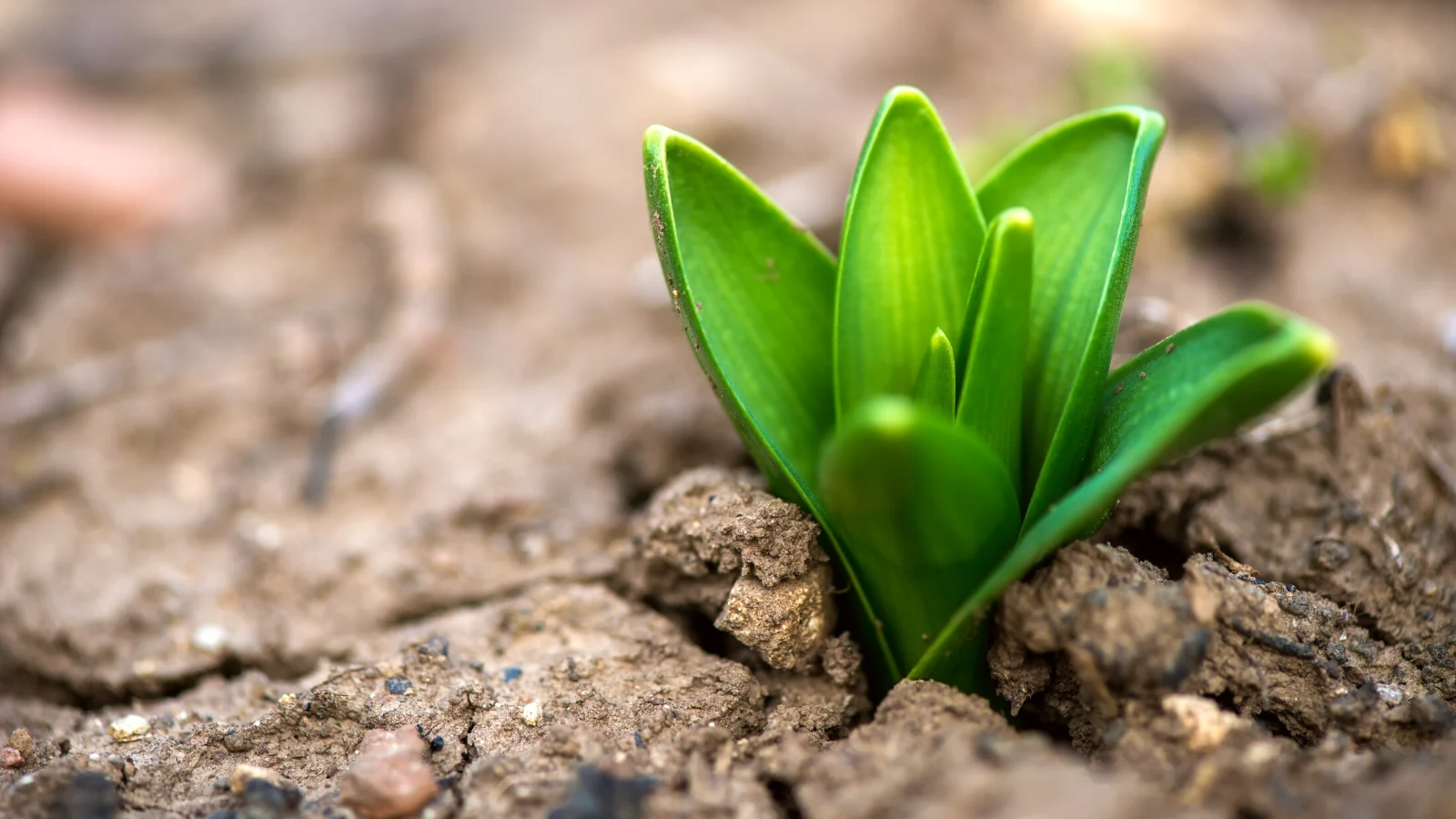
Are Early Shoots at Risk?
Here is the reassuring part: the green shoots of most spring bulbs are considerably more cold-hardy than they look. Daffodil foliage can tolerate temperatures down into the low twenties without meaningful damage, and even tulip shoots can handle a moderate freeze once they've had a few days to harden off in cool outdoor air. Snowdrops, of course, push right through snow and seem to consider it a minor inconvenience.
The shoots you really need to watch are the ones that emerge during an unusually warm spell and then get hit immediately by a hard freeze—below 20 degrees Fahrenheit—without any gradual transition. In those situations, the tips may blacken and soften, which looks alarming but rarely threatens the bulb itself. The plant will often push new growth from lower on the stem, and flowering may be slightly reduced but not eliminated. The bulb underground remains intact and will return fully next season.
What to Do When You See Early Shoots
If early shoots appear and a hard freeze is forecast, the most practical thing you can do is apply a temporary layer of loose mulch—straw, pine boughs, or even a few inches of shredded leaves—directly over the emerging tips. This won't prevent all cold damage, but it buffers the rapid temperature swings that cause the most harm, and it can make a real difference on a night that drops hard and fast. Remove the mulch as soon as temperatures moderate so the foliage can continue growing in light.
If you already have a layer of winter mulch in place over your bulb beds—a common and sensible practice in coastal New Hampshire and southern Maine—now is a good time to check its depth. Two to three inches of shredded bark or leaf mulch is ideal for insulation without smothering; anything deeper than four inches can actually trap cold and slow the soil's natural warming in spring. Gently rake back excess mulch from directly over the bulb clusters while keeping coverage in place between rows to suppress the early weeds that will begin germinating as conditions improve.
Supporting Your Bulbs Through Spring
Once your bulbs are actively growing and flowering, resist the urge to cut back the foliage after blooms fade. The leaves are doing critical work—photosynthesizing and sending energy back down to the bulb to fuel next year's flowers. Allow foliage to remain until it has yellowed and softened naturally, which in Zone 6b is typically six to eight weeks after peak bloom. Tying or braiding foliage to tidy the bed is popular but actually restricts the leaf surface available for photosynthesis; it's better to tuck it among emerging perennials that will camouflage the dying leaves naturally.
This is also the right moment to think about the larger context your bulbs are growing in. Well-maintained borders—properly edged, mulched, and free of invasive weeds like garlic mustard and bishop's weed—give bulbs the best possible growing conditions. In gardens where ornamental shrubs and small trees are part of the picture, timely spring pruning of surrounding woody plants ensures that bulbs aren't shaded out as the canopy leafs in, and that the overall garden composition remains balanced and beautiful from the earliest snowdrop through the last late tulip.
Expert Pruning Is Ready for Spring
At Expert Pruning, we work with homeowners throughout Portsmouth, Rye, North Hampton, Hampton, Exeter, Greenland, New Castle, and the southern Maine coast to keep gardens healthy, beautiful, and well-timed through every season. From spring shrub and ornamental tree pruning to mulching, bed preparation, and seasonal weeding, we bring the kind of attentive, plant-literate care that makes a lasting difference in a fine garden. If you'd like to schedule a spring consultation or talk through what your garden needs as the season opens up, we'd be glad to hear from you. Let's make this the year your bulb borders—and everything around them—look exactly as they should.
Expert Pruning provides professional fine gardening and expert pruning services throughout the New Hampshire Seacoast and southern Maine, including Portsmouth, Rye, North Hampton, Hampton, Exeter, Greenland, Stratham, Newmarket, New Castle, Kittery, and surrounding communities.
Reach out to Seacoast Gardener:
📞 (603) 770-5072 | 🌐 www.seacoastgardener.com