Starting Seeds Indoors: The Zone 6b Grower’s Guide
Starting Seeds Indoors: The Zone 6b Grower’s Guide
Late winter on the New Hampshire Seacoast often feels like the longest stretch of the gardening season. The ground is still cold, snow may linger in shaded corners, and garden beds remain quiet. But for gardeners in Portsmouth, Rye, Exeter, and North Hampton, this is actually the moment when the growing season begins indoors.
Starting seeds inside allows gardeners in Zone 6b to get a head start before spring fully arrives. By the time the soil warms outdoors, young plants are already strong and ready to move into the garden. With a little planning and patience, seed starting can become one of the most rewarding parts of the gardening year.
Why Starting Seeds Indoors Works Well in Zone 6b
Gardening along the Seacoast of New Hampshire and Southern Maine comes with a shorter growing season than many warmer regions. While coastal influence can moderate temperatures slightly, late spring frosts are still common.
Starting seeds indoors gives plants several extra weeks of growth before they face outdoor conditions. This is especially helpful for vegetables, flowers, and certain perennials that require longer growing periods.
For many gardeners, this practice means healthier plants and earlier harvests. It also offers the chance to grow varieties that might struggle if planted directly into cold spring soil.
Choosing the Right Seeds to Start Indoors
Not every plant needs to be started indoors. Many seeds prefer direct sowing once the soil warms in spring.
However, several popular garden plants benefit greatly from an early start. Tomatoes, peppers, eggplants, and certain herbs are excellent candidates. Many annual flowers also perform better when given a head start indoors.
Gardeners throughout Exeter and Portsmouth often begin these seeds six to eight weeks before the last expected frost date. This timing allows plants to develop strong root systems before they are transplanted outdoors.
Creating a Simple Seed Starting Setup
A successful seed starting area does not require complicated equipment. Many gardeners use a simple setup near a bright window or under grow lights.
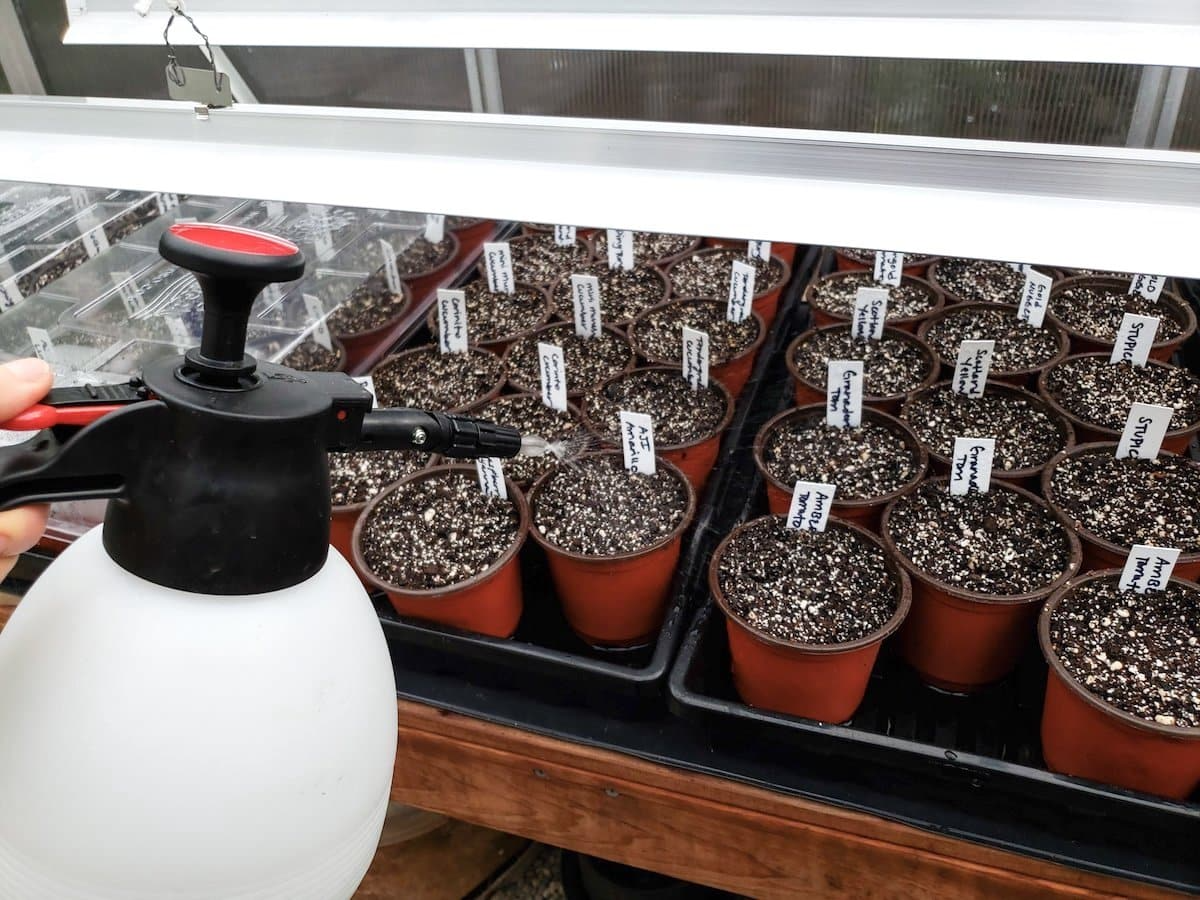
Seed trays or small containers filled with sterile seed starting mix provide the best environment for germination. Unlike regular garden soil, seed starting mixes are lightweight and allow delicate roots to grow easily.
Consistent warmth and moisture are key. Seeds germinate best when the soil remains slightly moist but not overly wet. A clear humidity dome or simple plastic covering can help maintain stable moisture levels during the first stages of growth.
Providing Enough Light for Strong Seedlings
Light is one of the most important factors in successful seed starting. Without enough light, seedlings can become thin and weak as they stretch toward the nearest window.
In many Seacoast homes, natural winter sunlight may not be strong enough to support healthy seed growth. Grow lights positioned a few inches above seedlings provide the consistent light they need.
Most seedlings benefit from twelve to sixteen hours of light each day. This steady light encourages compact growth and strong stems that will support the plant once it moves outdoors.
Managing Temperature and Water
Seeds are sensitive to temperature, especially during germination. Most garden seeds sprout best when soil temperatures remain between 65 and 75 degrees.
Keeping seed trays in a warm indoor area usually provides the right conditions. Some gardeners use simple heat mats to maintain consistent warmth for slower germinating seeds.
Watering should be gentle and regular. The goal is to keep the soil evenly moist without saturating it. Bottom watering, where trays absorb water from below, can help prevent delicate seedlings from being disturbed.
Preparing Seedlings for the Outdoor Garden
As spring approaches and temperatures begin rising across the Seacoast, seedlings will eventually need to transition outdoors. This process is known as hardening off.
Hardening off gradually introduces plants to outdoor conditions such as wind, sunlight, and cooler temperatures. Start by placing seedlings outside for a few hours each day in a protected area.
Over the course of a week or two, increase the time outdoors until plants are ready for permanent planting in garden beds. This gradual adjustment prevents shock and helps seedlings adapt successfully.
Connecting Seed Starting with Overall Garden Care
Starting seeds indoors is just one piece of preparing a garden for the growing season. At the same time seedlings are developing inside, outdoor garden beds are beginning to wake up.
Early spring is when pruning shrubs, evaluating ornamental trees, and clearing garden beds becomes important. Mulching, weeding, and soil preparation help create the healthy conditions young plants need once they move outside.
In established landscapes throughout Rye and North Hampton, these tasks often happen together. Thoughtful timing ensures that every part of the garden is ready when planting season arrives.
The Joy of Watching a Garden Begin
One of the most satisfying moments in gardening is seeing those first tiny seedlings emerge. A small green sprout pushing through the soil is a reminder that spring is coming, even when winter still lingers outside.
Starting seeds indoors allows gardeners to stay connected with the growing season during the colder months. It also creates stronger, more resilient plants that will thrive once they reach the garden.
With patience and careful attention, those early seedlings become the flowers, herbs, and vegetables that bring life to Seacoast gardens throughout the summer.
Supporting Your Garden Through the Season
A healthy garden depends on more than planting alone. Regular pruning, shrub care, mulching, and seasonal maintenance help plants grow stronger year after year.
For homeowners across Portsmouth, Rye, Exeter, and North Hampton, maintaining a thriving landscape often means balancing early preparation with ongoing care throughout the growing season.
Seacoast Gardener provides professional fine gardening services throughout the New Hampshire Seacoast and Southern Maine. From pruning ornamental trees and maintaining shrubs to weeding, mulching, and seasonal garden care, our team helps landscapes remain healthy, balanced, and beautiful all year long.
If you are preparing your garden for spring or looking for expert guidance on maintaining your landscape, Seacoast Gardener is here to help your garden thrive from the first seed to the final bloom.
Reach out to Seacoast Gardener:
📞 (603) 770-5072 | 🌐 www.seacoastgardener.com