Designing a Cutting Garden: Early Planning for Summer Blooms
Designing a Cutting Garden: Early Planning for Summer Blooms
There is something special about walking into the garden on a summer morning and gathering a handful of fresh flowers for the house. A simple vase filled with blooms from your own yard can brighten an entire room. For many gardeners across Portsmouth, Rye, Exeter, and North Hampton, creating a cutting garden is one of the most rewarding ways to enjoy the growing season.
Along the New Hampshire Seacoast, thoughtful early planning makes all the difference. Our Zone 6b climate offers a beautiful but relatively short growing season, so preparing the garden early helps ensure a steady supply of flowers throughout summer. With the right design and plant choices, a cutting garden can provide blooms from late spring all the way into early fall.
What Is a Cutting Garden
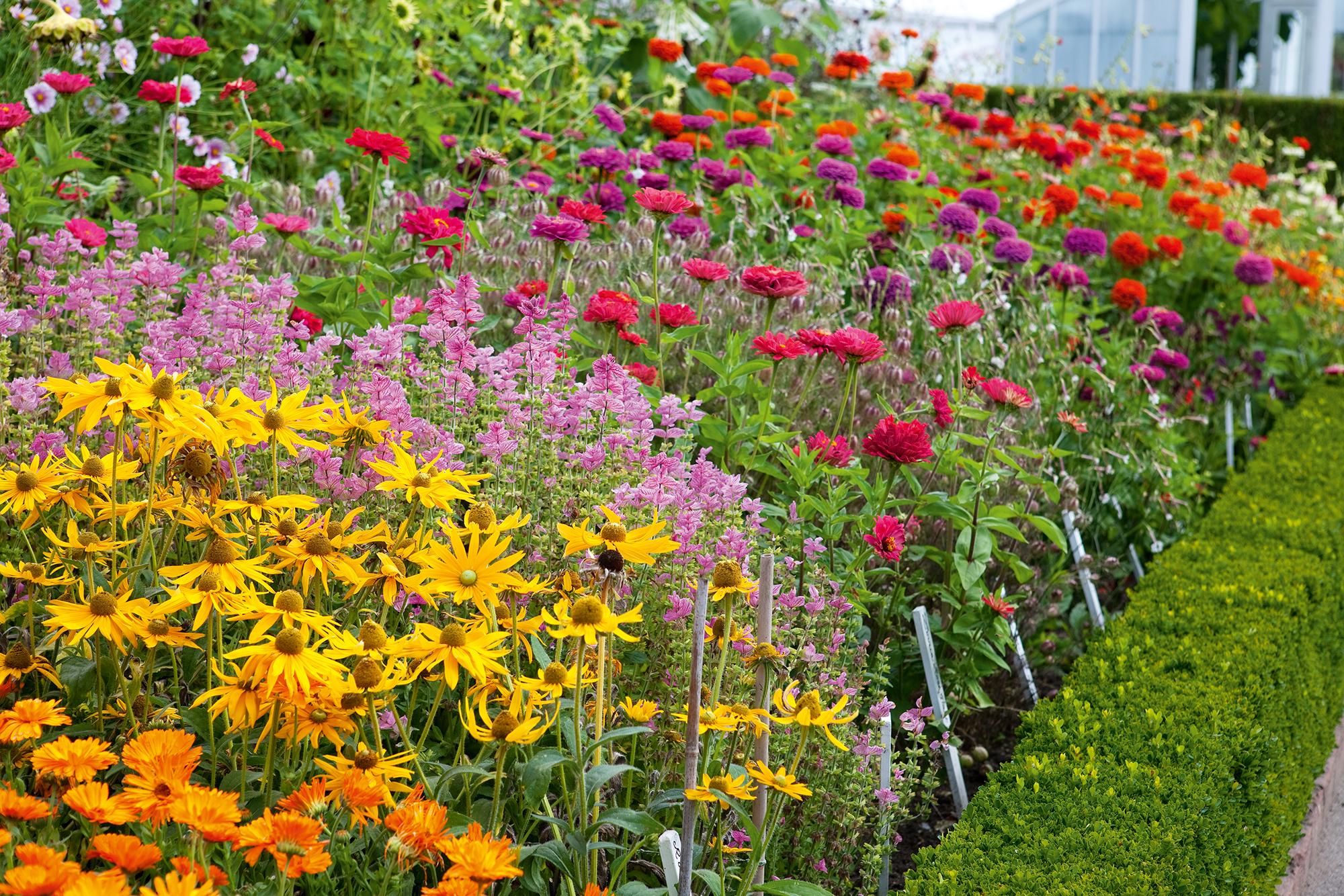
A cutting garden is simply a section of the landscape dedicated to growing flowers for arrangements. Unlike decorative borders where plants are left untouched, these flowers are meant to be harvested regularly.
Cutting actually encourages many flowering plants to produce more blooms. When flowers are trimmed, the plant redirects energy into new growth and additional buds. Over the course of the season, this can lead to fuller plants and more vibrant displays.
In many Seacoast gardens, cutting beds are placed in a sunny corner of the yard or alongside vegetable gardens. They do not need to be formal spaces, just areas where flowers can grow freely and be harvested often.
Choosing the Right Location
Location is one of the most important decisions when designing a cutting garden. Most flowering plants need at least six to eight hours of sunlight each day to produce strong stems and abundant blooms.
In coastal towns like Rye and Portsmouth, open areas that receive full sun are ideal. Good airflow is also important, especially during the humid summers common along the Seacoast.
When selecting a location, consider how easy it will be to access the garden for regular cutting. A path or simple walkway makes harvesting flowers much more enjoyable and helps prevent damage to surrounding plants.
Building Your Plant Palette: Three Categories to Balance
The most productive cutting gardens balance three types of plants: workhorse annuals, long season perennials, and structural fillers. Getting the proportion right is what turns a scattering of nice flowers into a true garden harvest.
Workhorse annuals are the backbone of a summer cutting garden. Zinnias (Zinnia elegans), lisianthus, cosmos, celosias, and annual sunflowers bloom heavily and repeatedly when cut regularly. In fact, cutting them encourages more flowers. These are the plants that will fill your buckets from July through frost. Start them from seed indoors 6 to 8 weeks before your last frost date (late April to mid May in Zone 6b), or plan to purchase transplants from a local nursery in late May. Succession sow zinnias every three weeks for continuous harvest.
Long season perennials give your cutting garden permanence and early season interest. Peonies, yarrow (Achillea), Shasta daisies, and Veronicastrum provide structure and blooms in June and early July before the annuals hit their stride. Echinacea (coneflower) bridges mid to late summer beautifully and doubles as a pollinator plant. These take a season or two to fully establish, but reward patience with decades of harvests.
Dahlias: The Star of the Seacoast Cutting Garden
No cutting garden conversation is complete without dahlias, and for good reason. No other plant produces as much floral volume, over as long a season, in as many colors and forms as a well grown dahlia. Dinner plate varieties, decorative doubles, waterlily types, and the smaller ball dahlias all perform beautifully in Zone 6b with the right preparation.
Dahlias are frost tender and must be started after your last frost. Late May to early June on the New Hampshire Seacoast is usually the right timing. Plant tubers 4 to 6 inches deep in rich, well drained soil and full sun. Pinch the growing tips when plants are 12 to 16 inches tall to encourage branching and a more productive plant. Stake all but the dwarf varieties at planting, before they need it, to avoid disturbing roots later.
In Zone 6b, dahlias must be dug after the first killing frost, typically late October in coastal New Hampshire and southern Maine, and stored indoors over winter. Cure the clumps for a week in a cool, dry place, then store in a ventilated crate with lightly moistened peat or coir at 40 to 50°F. It is a bit of annual effort, but a single tuber can become a clump worth dividing and sharing within just two or three seasons.
Succession Planting: The Secret to a Long Harvest
The most common mistake in a first cutting garden is planting everything at once and wondering why the abundance of July gives way to a sparse August. Succession planting, staggering your sowings and plantings in two to three week intervals, is the answer, and it is simple once it becomes a habit.
For annuals like zinnias and cosmos, a first sowing in late April or early May indoors, followed by a second direct sowing outdoors in early June, will extend your harvest by four to six weeks. For lisianthus, which has a long growing season, a single early indoor start in late February or March is usually sufficient. For sunflowers, make three or four direct sowings from late May through early July to keep them coming into September.
The principle applies to perennials through variety selection as well. Early, mid, and late blooming yarrow varieties, for example, can extend that genus’s contribution from June through August in a single well planned bed.
Integrating a Cutting Garden with Your Overall Landscape
A cutting garden does not exist in isolation, and the healthiest, most beautiful Seacoast properties treat it as one component of a larger, well maintained landscape. The shrub borders and ornamental trees that frame your property provide the structure, enclosure, and seasonal backbone that make everything else, including a cutting garden, look intentional.
Well timed pruning of surrounding shrubs keeps them from encroaching on your cutting beds and ensures good airflow. Spring flowering shrubs like forsythia, viburnum, and lilac need to be pruned immediately after bloom so they have time to set next year’s flower buds. This detail matters enormously if you want those branches for early spring arrangements as well as for the garden itself. Roses grown for cutting benefit from thoughtful deadheading and light shaping through the season, with a more thorough late winter pruning to encourage the strong new canes that produce the best blooms.
Mulching around the perimeter of your cutting beds, 2 to 3 inches of shredded bark renewed each spring, suppresses the weeds that compete aggressively with densely planted annuals, conserves soil moisture during July and August dry spells, and keeps the overall planting looking polished. On the Seacoast, where sandy soils dry quickly after rain, that layer of mulch can make a meaningful difference in plant performance by midsummer.
Planting Calendar: Zone 6b Cutting Garden Timeline
Keeping timing straight across annuals, perennials, and tender tubers is the most logistically demanding part of cutting garden planning. This outline covers the key milestones for Seacoast gardeners from Portsmouth to Kittery.
Late February to March: Start lisianthus and snapdragons indoors. These long season crops need the head start.
Late March to April: Start zinnias, cosmos, celosia, and annual sunflowers indoors. Begin cold stratifying any perennial seeds.
Late April to early May: Harden off seedlings. Direct sow hardy annuals like Nigella and sweet peas outdoors once soil is workable.
Mid May: Transplant hardened annuals after last frost risk passes. Plant dahlia tubers once soil reaches 60°F.
Early June: Make a second succession sowing of zinnias and cosmos directly in the bed.
July to October: Harvest regularly because cutting encourages reblooming. Water deeply once or twice per week. Feed dahlias with a low nitrogen fertilizer as buds set.
Late October: Dig and cure dahlia tubers after first frost. Cut back perennials or leave seedheads for winter interest and wildlife.
Seacoast Gardener: Your Partner from Planning to Harvest
A cutting garden is one of the most personal and rewarding things you can create on your property, but it succeeds best when it is part of a larger landscape that is healthy, well structured, and cared for through the seasons. At Seacoast Gardener, we work with homeowners throughout Portsmouth, Rye, North Hampton, Exeter, Newmarket, Greenland, New Castle, Hampton, and the southern Maine coast to design, install, and maintain gardens that are beautiful, productive, and genuinely suited to our coastal climate.
Whether you are starting a new cutting bed from scratch, integrating one into an established landscape, or simply getting your existing beds, borders, ornamental trees, shrubs, and roses into their best shape before the season begins, we would welcome the conversation.
Let’s Plan Your Garden Together
Summer blooms begin with winter decisions. If you would like help designing a cutting garden, preparing your soil and beds, or bringing your entire landscape into finer order before spring arrives, Seacoast Gardener is here to help. Reach out to schedule a consultation and let’s build something worth cutting.
Seacoast Gardener provides professional fine gardening, expert pruning, seasonal maintenance, and garden design services throughout the New Hampshire Seacoast and southern Maine, including Portsmouth, Rye, North Hampton, Hampton, Exeter, Greenland, Stratham, Newmarket, Lee, New Castle, Kittery, and surrounding communities.
Reach out to Seacoast Gardener:
📞 (603) 770-5072 | 🌐 www.seacoastgardener.com