Container Gardening for Small Spaces in North Hampton, New Hampshire
Growing a Thriving Container Garden When Ground Space Is Limited
Some of the most beautiful gardens I have ever seen were grown entirely in pots. In North Hampton, New Hampshire, where many properties sit close to the coast with compact yards, paved entryways, and wind-swept decks, container gardening has become a genuinely rewarding practice. With the right approach, a few well-planted containers can carry as much visual weight as an entire garden bed.
What makes container gardening so appealing in a Zone 6b coastal community like North Hampton is the level of control it puts in your hands. You select the soil, manage the drainage, and position plants exactly where sunlight and aesthetics call for them. That flexibility is a real advantage when you are working around salt air, variable spring temperatures, and the fast-draining sandy soils that define gardening along this stretch of the New Hampshire Seacoast.
Choosing Containers That Hold Up Through the Seasons
The container itself matters more than most people expect. In North Hampton, winter freeze and thaw cycles put real stress on pots, and thin terracotta or inexpensive plastic will crack within a season or two. Invest in thick-walled ceramic, quality fiberglass, or heavy-duty resin containers that are specifically rated for cold climates. They cost a bit more upfront and will save you real money and frustration over time.
Size is also worth thinking through carefully. Larger containers hold more soil volume, which means more stable moisture levels and more room for roots to develop. Smaller pots dry out very quickly, especially during North Hampton's sunnier summer stretches when the ocean breeze picks up and the heat settles in. For most ornamental shrubs and mixed plantings, aim for containers at least fourteen to eighteen inches in diameter.
Building the Right Soil Foundation
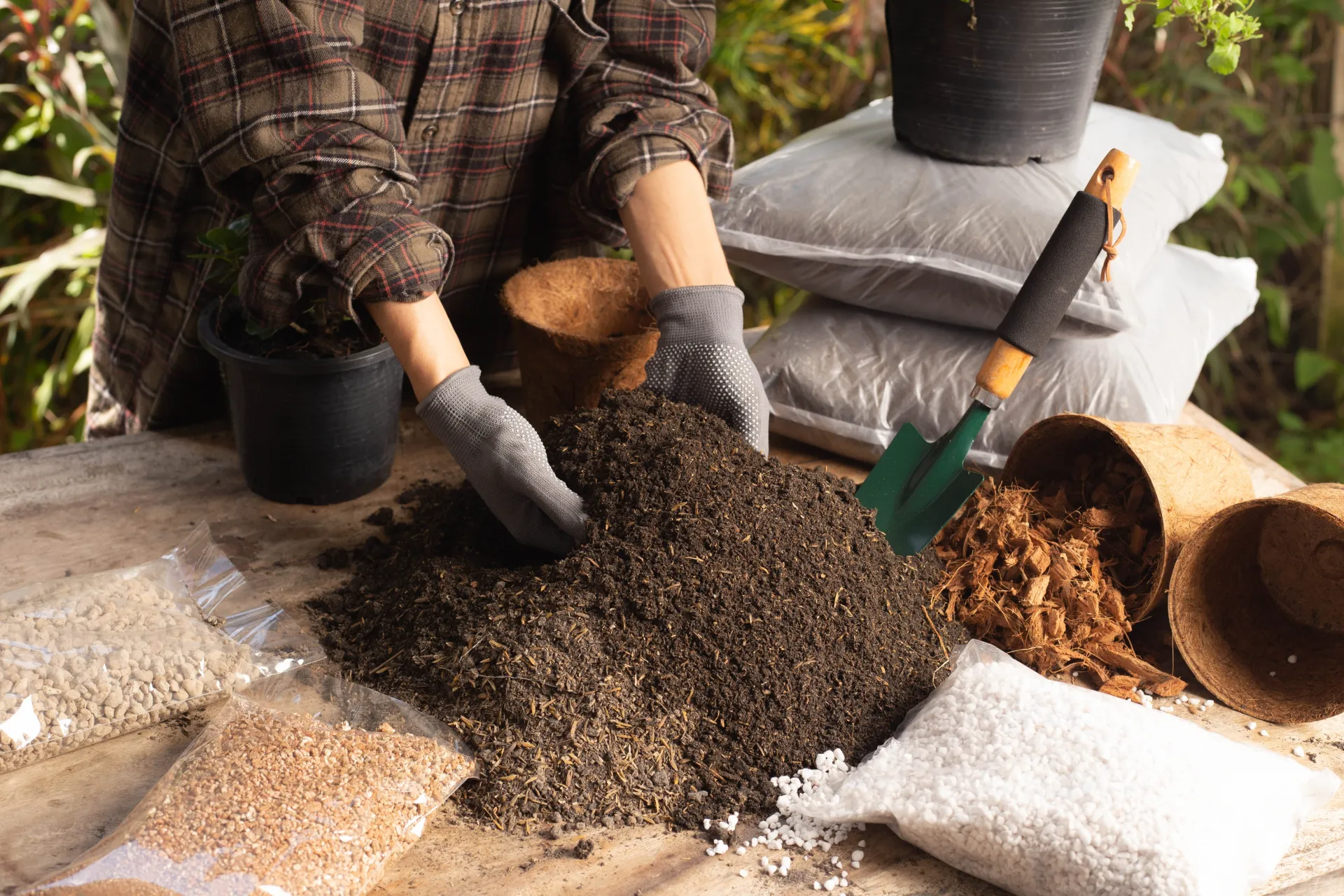
One of the most common mistakes in container gardening is reaching for garden soil straight from the yard. In-ground soil compacts under its own weight inside a container, cuts off airflow to roots, and leads to poor drainage that invites rot. A quality bagged potting mix provides the loose, breathable structure that confined root systems genuinely need to stay healthy.
For containers holding ornamental shrubs or woody plants, blend your potting mix with a small amount of finished compost. This improves moisture retention and adds slow-release nutrients that support steady growth through the season. In North Hampton gardens where coastal wind and summer sun can dry containers out surprisingly fast, that added organic matter makes a meaningful difference between waterings.
Pruning and Maintaining Container Shrubs
Shrubs grown in containers still require thoughtful pruning, and in some ways the stakes are higher because the plant has nowhere to sprawl. Compact varieties of boxwood, dwarf hydrangea, and ornamental grasses are all popular choices for North Hampton patios and entryways, and they benefit from a light shaping each season to stay proportional and polished.
Always identify whether your plant blooms on old wood or new wood before you prune. Spring bloomers like forsythia set their buds the previous summer, so cutting them back in fall or late winter means removing the flower buds before they ever open. The simple rule is to prune spring bloomers immediately after flowering wraps up, and to prune summer bloomers in late winter while they are still fully dormant.
Planning for Four Seasons of Interest
A well-designed container garden in North Hampton can look intentional and beautiful from April through December. The key is layering plants with different peak seasons so that something is always contributing to the overall picture. Think of it in three layers: a taller structural plant anchoring the center or back, a mid-height flowering plant in the middle, and a trailing or low-growing variety spilling gently over the edge.
Come late autumn, start thinking about winter protection for your pots. Move tender containers into an unheated garage or shed before hard freezes arrive. For pots that are staying outside, clustering them together near a south-facing foundation wall provides meaningful shelter. A wrap of burlap or heavy frost cloth around ceramic containers can be the difference between a pot that survives winter and one that cracks through by March.
Mulching, Weeding, and Keeping Containers Tidy
A thin layer of bark mulch or decorative stone over the soil surface does real work in a container. It slows moisture evaporation, moderates soil temperature, and gives the planting a clean, finished appearance. In North Hampton's exposed and sunny spots, an unmulched container can lose surprising amounts of moisture between waterings, and a simple mulch layer is one of the easiest ways to reduce that stress.
Weeds will find their way into containers eventually, especially in pots that have been outdoors for a full season. Pulling them when they are small prevents root competition and keeps your containers looking the way they should. A few minutes of attention every couple of weeks is genuinely all it takes to stay ahead of them.
Let Seacoast Gardener Help You Make the Most of Your Outdoor Space
Whether you are working with a small patio in North Hampton, a shaded entryway, or a deck that deserves something beautiful, Seacoast Gardener is here to help. We provide professional fine gardening services throughout North Hampton and the surrounding New Hampshire Seacoast communities, including container garden design, seasonal planting, ornamental shrub care, pruning, mulching, and ongoing maintenance.
If you are ready to turn a compact space into something you genuinely love coming home to, we would be glad to be part of that.
📞 (603) 770-5072 | 🌐 www.seacoastgardener.com