Seacoast Gardener's End-of-May Garden Checklist for Portsmouth, New Hampshire
Everything Your Rye Garden Needs Before June Arrives
The last week of May is one of those quiet turning points in the gardening calendar that experienced gardeners learn to take seriously. In Rye, New Hampshire, this is the moment when spring stops feeling tentative and summer begins making its intentions known. Soil temperatures are climbing steadily, plant growth is accelerating, and the choices you make right now will shape how your entire landscape performs from June straight through to September.
Think of this checklist not as a burden but as a genuine investment in your garden before summer heat settles in along the Seacoast. A few focused hours outdoors this week in Rye can save you real time, water, and frustration through the months ahead. The window is open right now and it will not stay open long.
Finish Soil Preparation Before the Window Closes
If you have not yet worked compost or organic matter into your garden beds, this week is genuinely your last ideal opportunity. Once soil temperatures climb consistently above 70°F, organic amendments break down faster than they can integrate meaningfully, and the benefit to your plants is significantly reduced. Work a two to three inch layer of finished compost into your beds now and water it in well.
For Rye properties with sandy coastal soil, this step carries extra importance. Sandy soils shed nutrients and moisture quickly, and that compost layer is what keeps your ornamental shrubs, perennials, and flowering plants fed and hydrated through the dry stretches that typically arrive in July. This is not a task worth putting off until next weekend because next weekend may already be too late.
Prune Spring Bloomers Right Now
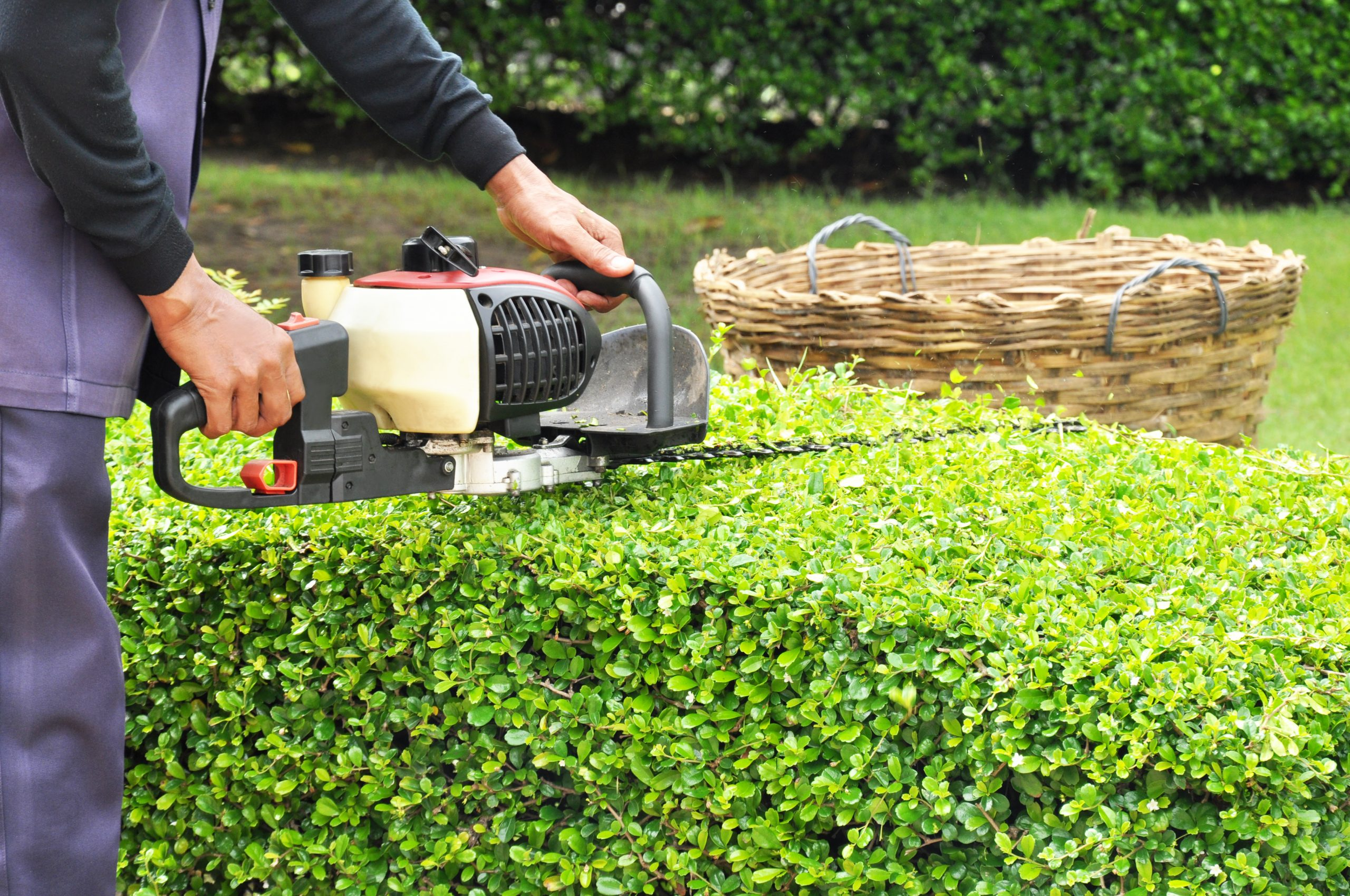
If your forsythia, lilac, rhododendron, or viburnum has finished flowering, this is the week to prune it. These shrubs bloom on old wood, meaning the buds for next spring's flowers are already beginning to form on the new growth your plant pushes out this summer. Pruning now gives the plant the entire growing season to develop those buds properly. Waiting until fall removes next year's display before it ever has a chance.
Keep your cuts clean and purposeful. Start by removing dead or damaged wood, then address any branches that are crossing or rubbing against each other. Open the center of the shrub slightly to improve airflow, which matters especially in Rye where humid coastal air can encourage fungal issues in dense, unventilated shrubs. A well-pruned shrub in late May looks composed and intentional through the entire summer season.
Apply Fresh Mulch Before Summer Heat Arrives
Late May is the ideal moment to lay fresh mulch across your garden beds, and if it has not happened yet this season, do it this week. A two to three inch layer of organic bark mulch regulates soil temperature, slows moisture loss, and suppresses the flush of weeds that arrives reliably with warmer weather. In Rye, where coastal wind and sun can dry out beds faster than you expect, mulch is one of the most practical protective steps you can take.
Always keep mulch a few inches away from the base of your shrubs and ornamental trees. Mulch piled against plant stems traps moisture and creates conditions where rot and pest pressure can develop quietly over time. A proper mulch application looks like a shallow, even ring around the plant rather than a mounded pile against the trunk or stem.
Weed Now Before Seeds Set
Late May is the single most valuable moment of the year to get ahead of weeds in Rye gardens. Most annual weeds have just germinated but have not yet set seed, which means pulling them now prevents what would otherwise become an overwhelming problem by midsummer. A thorough hand weeding session through your beds this week followed immediately by fresh mulch is one of the highest return tasks in the entire gardening calendar.
Pay close attention to garden edges, the base of ornamental shrubs, and any areas where mulch has thinned over winter. Weeds establish quietly in these spots and are easy to overlook until they are well rooted and seeding. Young weeds in loose, freshly amended soil pull out cleanly with almost no effort at all.
Walk Your Property and Inspect Ornamental Trees and Shrubs
Set aside twenty minutes this week to walk your Rye property slowly and look at every ornamental tree and shrub with fresh, unhurried eyes. Look for winter damage that has not pushed out new growth, branches rubbing or crossing against each other, and any early signs of pest activity or disease. What you catch now in late May is almost always easier and less expensive to address than what you discover in August.
Coastal properties in Rye can see salt wind damage show up as browning or die back on the windward side of evergreens and broadleaf shrubs. If you are seeing that pattern, note which plants are most affected and consider whether a windbreak planting or a repositioned container could offer some seasonal protection going forward.
Let Seacoast Gardener Help You Finish May Strong
The end of May moves faster than anyone expects, and it is easy to run out of weekend before you run out of checklist. Seacoast Gardener provides professional fine gardening services throughout Rye and the surrounding New Hampshire Seacoast and Southern Maine communities, including seasonal bed preparation, compost amendment, mulching, weeding, shrub pruning, and ornamental tree care.
If you would like a skilled, experienced team to help you close out May the right way and set your garden up for a truly beautiful summer, we would love to hear from you.
📞 (603) 770-5072 | 🌐 www.seacoastgardener.com