Water-Wise Gardening Guide: Surviving Summer Heat Waves in Exeter, NH Gardens
Water-Wise Gardening Guide
Every few summers, the Seacoast gets a stretch of days that feels different from the usual warm weather. The air sits heavier, the sun feels stronger by midmorning, and by afternoon even established plants begin to show the strain. In Exeter, New Hampshire, these heat waves are becoming a more regular part of the summer pattern, and gardens that are prepared for them weather the stretch with far less damage than those caught off guard.
Water-wise gardening during a heat wave is not about panic watering or trying to compensate for several days of stress in a single afternoon. It is about understanding how plants respond to extreme heat, recognizing what they actually need, and making the most of the water you do apply.
How Plants Experience a Heat Wave
During a true heat wave, plants face more than just high air temperature. Soil dries out faster, evaporation from leaf surfaces increases dramatically, and the combination can push even healthy, established plants into a defensive mode where growth slows and energy shifts toward survival rather than flowering or new development.
In Exeter gardens, where soils range from sandy and fast draining to heavier inland mixes, the speed at which this happens depends heavily on what is underfoot. Sandy soils can lose significant moisture within a single hot day, while heavier soils buy a bit more time but can still become stressed during an extended stretch without rain.
Deep Watering Before the Heat Arrives
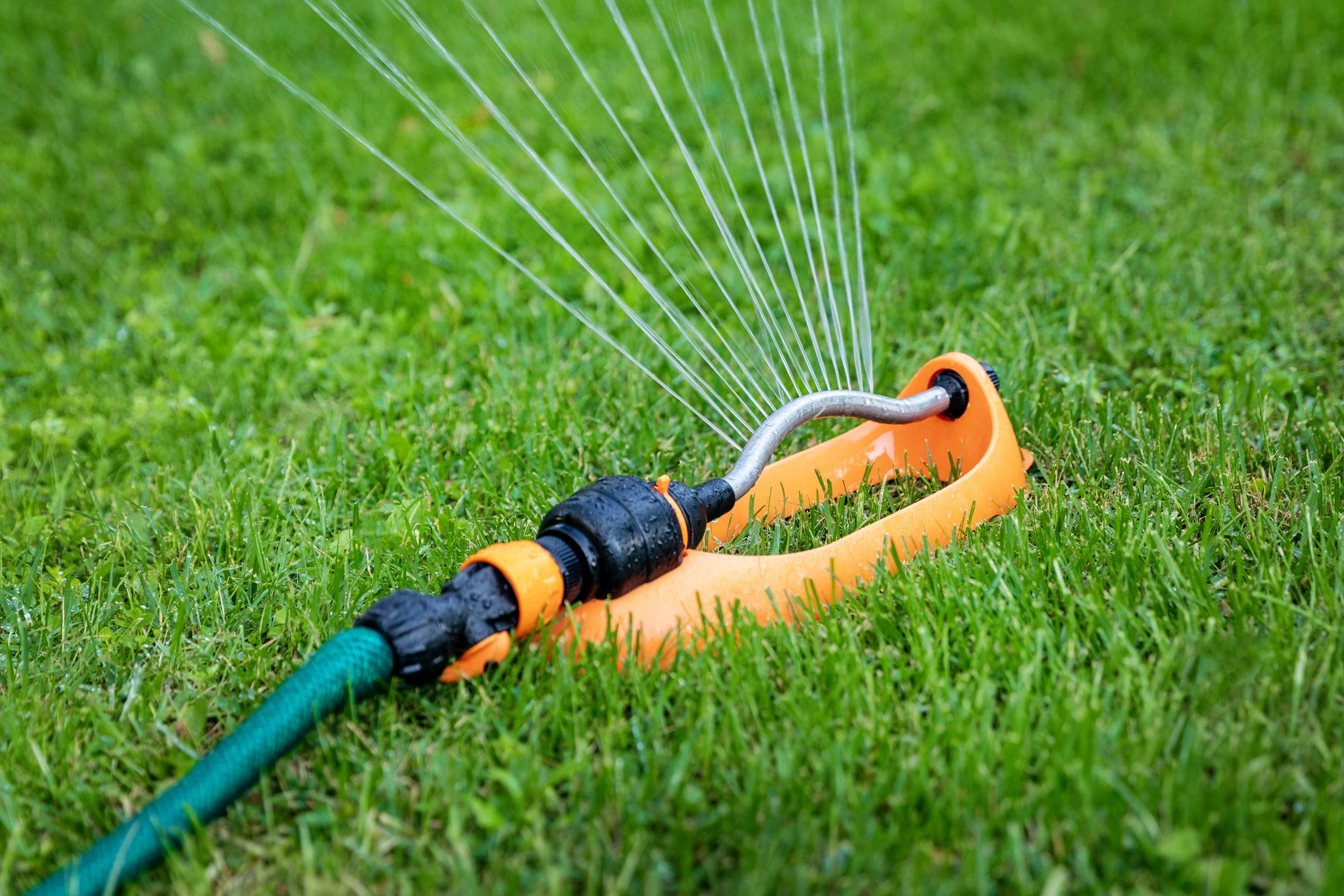
If a heat wave is forecast, the most valuable thing you can do is water deeply the day before it begins. A slow, thorough soaking that reaches six to eight inches into the soil gives plants a reserve of moisture to draw from as conditions intensify, rather than trying to keep up once the heat has already arrived.
This approach is far more effective than light daily watering during the heat wave itself. Frequent shallow watering during extreme heat often evaporates before it reaches the root zone at all, while a deep soak beforehand puts moisture where roots can actually access it when they need it most.
Watering During the Heat Wave Itself
Once a heat wave is underway, the priority shifts to monitoring rather than constant intervention. Established shrubs and ornamental trees with healthy root systems can typically draw on the reserves from a pre heat wave soaking for several days. Checking soil moisture two inches down before watering again prevents the kind of overwatering that can compound stress rather than relieve it.
Containers and newly planted material are the exception and need closer attention. These have limited root systems or no buffer of surrounding soil to draw from, and during extreme heat they may need watering once or even twice daily, always in early morning or evening rather than during the hottest hours.
The Role of Mulch During Extreme Heat
A well maintained mulch layer becomes especially valuable during a heat wave. Two to three inches of organic mulch around the root zone of shrubs, ornamental trees, and perennial beds significantly slows moisture loss from the soil surface and moderates soil temperature, both of which reduce the overall stress a plant experiences.
In Exeter landscapes, gardens that go into a heat wave with mulch already refreshed and in good condition consistently come through with less visible stress than those with thin or absent mulch. This is one of the clearest examples of how preparation done weeks earlier pays off during a single demanding stretch.
Reading Plant Signals During Heat
Wilting during the hottest part of the day does not automatically mean a plant is underwatered, even during a heat wave. Many shrubs and perennials wilt temporarily as a protective response and recover fully once temperatures drop in the evening. This is normal and does not require additional water.
Signs that genuinely indicate water stress during a heat wave include leaves that remain limp into the evening, foliage that takes on a dull or grayish cast rather than simply drooping, and leaf edges that begin to brown or crisp. These signals mean the plant needs water, while temporary midday wilting on an otherwise healthy plant generally does not.
What to Avoid During a Heat Wave
Pruning, transplanting, or dividing plants during a heat wave adds stress at the worst possible time and should be postponed until conditions moderate. Fertilizing is also best avoided during extreme heat, since pushing new growth when a plant is already under stress can do more harm than good.
If pest or disease issues appear during a heat wave, addressing them gently and waiting for cooler conditions before more involved treatment is usually the better approach. Plants under heat stress are more vulnerable to additional stress from treatments that would normally be well tolerated.
Recovery After the Heat Breaks
Once a heat wave passes, a single deep watering helps plants recover and resume normal growth. Checking mulch levels and topping up where it has thinned ensures the garden is prepared for the next stretch of hot weather, which is increasingly common as Seacoast summers progress.
Gardens that are well prepared, properly mulched, and given thoughtful deep watering before heat arrives consistently come through extreme weather looking far better than those managed reactively. Water-wise gardening is ultimately about working with the rhythm of the season rather than against it.
If you would like help preparing your garden for the heat of summer, Seacoast Gardener provides professional fine gardening services throughout Exeter and the surrounding communities of the New Hampshire Seacoast and Southern Maine. From mulching and shrub care to expert pruning, weeding, ornamental tree maintenance, and seasonal garden preparation, our team helps homeowners keep their landscapes healthy and resilient through every season.
📞 (603) 770-5072 | 🌐 www.seacoastgardener.com