Pinching Annuals for Fuller Growth
The Simple Technique That Transforms Thin Annuals into Full, Flowering Plants
There is a moment every summer when a gardener looks at a row of newly planted annuals and wonders why they are growing tall and lanky instead of full and bushy. In Portsmouth and across the New Hampshire Seacoast, that moment usually arrives sometime in early summer, just when the season feels like it should be hitting its stride. The answer, more often than not, is that the plants simply needed to be pinched.
What Pinching Actually Does
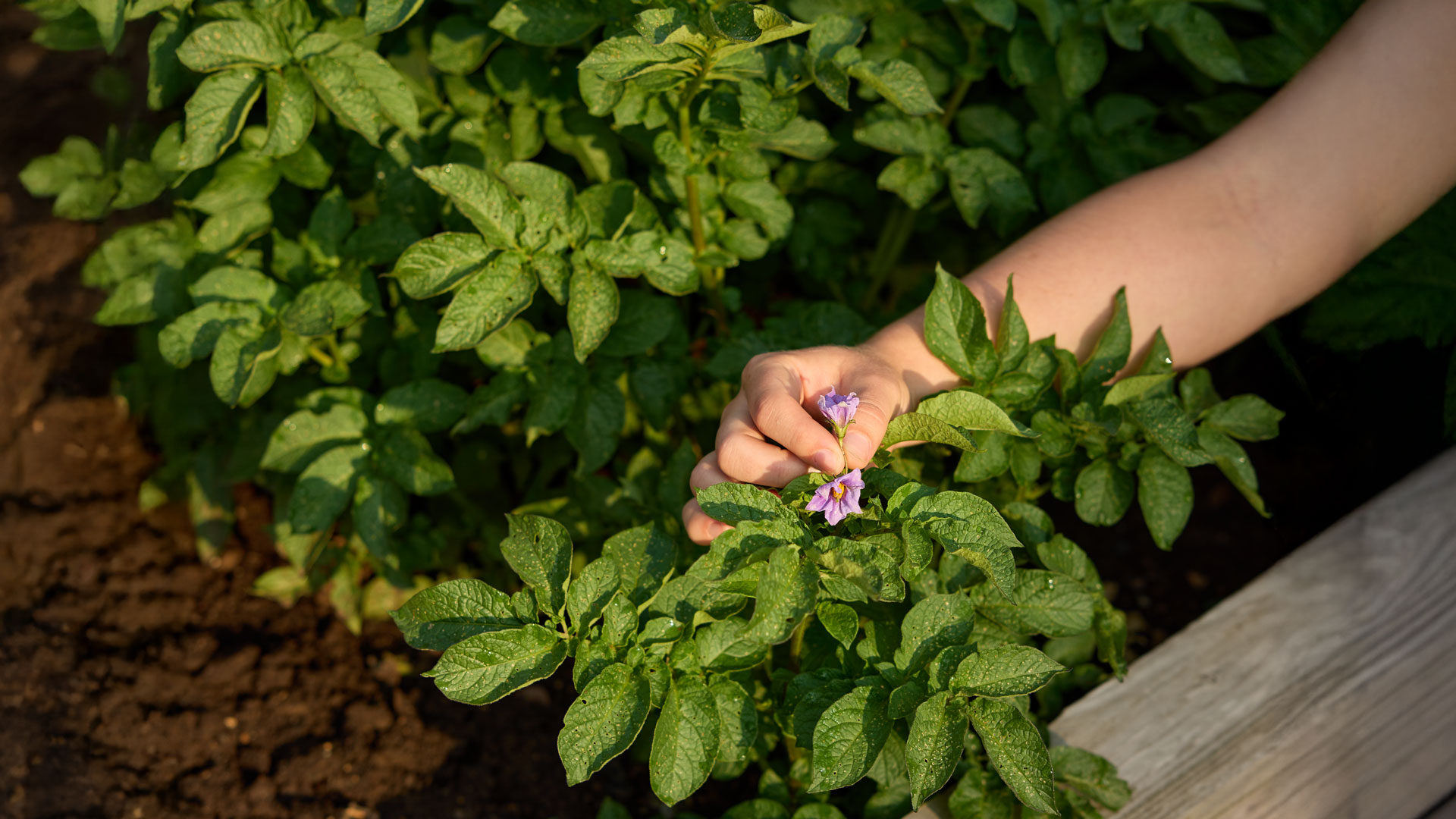
Pinching is one of those gardening techniques that sounds almost too simple to matter, but the plant science behind it is genuine and reliable. When you remove the growing tip of a stem, the plant responds by pushing energy into the lateral buds just below the cut. Instead of one tall central stem, you get two or more new shoots branching outward. Repeat that process across the plant and you quickly build a much fuller, more branching structure.
Most annual flowering plants are naturally inclined to reach upward toward light. Left to their own devices, they prioritize height over width. Pinching interrupts that tendency and redirects the plant's energy in a way that produces more flowering stems, more blooms, and a more satisfying overall shape.
Which Annuals Respond Best
Not every annual benefits equally from pinching, and knowing which plants to target makes the technique far more effective. Petunias, zinnias, basil flowering stems, coleus, impatiens, snapdragons, and salvias are among the best candidates. These plants branch readily and respond to pinching with vigorous, bushy new growth.
Calibrachoa and bacopa, both popular in Portsmouth window boxes and container plantings, also respond well to light pinching or trimming when they start to trail unevenly. Plants with a more rigid or single stemmed growth habit, such as celosias or vinca, tend to need less intervention and can sometimes resent hard pinching. When in doubt, a conservative approach works best.
When to Start and How Often to Pinch
Timing matters with pinching, and earlier is almost always better. The ideal moment to begin is when a young annual has developed three to five sets of leaves but has not yet set its first flower buds. At this stage, the plant has enough energy to respond quickly and enough stem length to branch effectively.
For Portsmouth homeowners who purchase annuals already in bloom from a nursery, it can feel discouraging to remove those first flowers. But sacrificing a week or two of early blooming for a far fuller plant through the rest of the season is almost always the right trade. Pinch just above a leaf node or set of leaves using your thumbnail and forefinger or a pair of clean, sharp scissors. The cut should be clean and precise, not torn or ragged.
Repeat the process every two to three weeks through midsummer, focusing on stems that are outpacing the rest of the plant or reaching upward rather than outward. You are not trying to keep the plant small so much as you are encouraging it to stay dense and well branched.
Pinching Versus Deadheading
These two techniques are related but serve different purposes, and understanding the distinction helps you use both more effectively. Deadheading removes spent or finished blooms to prevent seed formation and encourage the plant to produce new flowers. Pinching removes actively growing stem tips to alter the plant's overall branching structure.
In practice, many gardeners combine both habits during their regular garden walks. A quick pass through the bed to remove faded blooms and snip back any stems that are reaching too far accomplishes both goals efficiently. For annuals in Portsmouth container gardens and window boxes, this kind of attentive weekly care is what separates a good display from a truly exceptional one.
What Pinched Plants Look Like After a Few Weeks
The transformation that follows consistent pinching is one of the more satisfying things to observe in a summer garden. A petunia that was heading toward a single long trailing stem becomes a mounding, multi-branched plant covered in blooms. A zinnia that was growing straight and narrow fills out into a broad, flowering presence that anchors a bed rather than just occupying a slot in it.
By midsummer, well-pinched annuals in Portsmouth gardens tend to look noticeably different from those left to grow on their own. The branching is denser, the flowering is heavier, and the plants hold their shape better even as the season wears on into the heat of late July and August.
Combining Pinching with Good Seasonal Care
Pinching works best when it is paired with consistent watering, regular fertilizing, and attentive weeding. A plant that is being asked to push out new growth in response to pinching needs adequate moisture and nutrition to do so. In the sandy, fast draining soils common across the Portsmouth area, that often means deep watering several times a week and a water soluble fertilizer applied every seven to ten days.
Mulching around the base of annual beds helps retain soil moisture and keeps the root zone cool, which supports the kind of steady, vigorous growth that makes pinching so effective. A two to three inch layer of organic mulch laid over well prepared soil creates the stable conditions that let annuals perform at their best.
Fine Gardening Care Across the Portsmouth Seacoast
If your Portsmouth garden could benefit from professional seasonal care, Seacoast Gardener is here to help. From annual bed maintenance and container care to pruning, shrub care, ornamental tree maintenance, mulching, and weeding, our team brings skilled, attentive care to landscapes throughout Portsmouth, Rye, Exeter, Hampton, North Hampton, and the broader New Hampshire Seacoast and Southern Maine.
📞 (603) 770-5072 | 🌐 www.seacoastgardener.com