Harvesting Herbs and Drying Them for Later Use in Exeter, NH
Harvesting Herbs and Drying Them for Later Use in Exeter, NH
There's something deeply satisfying about stepping into the garden, snipping a handful of basil or rosemary, and carrying that fresh, fragrant harvest into the kitchen. But the growing season is short here in New Hampshire, and most herb gardeners find themselves with more than they can use fresh. Drying your herbs is the simplest way to stretch that summer abundance well into winter.
Done right, drying preserves not just the flavor of your herbs but much of their essential oil content, the compounds responsible for both taste and aroma. Done poorly, you end up with dusty, flavorless flakes that barely resemble what you grew. The good news is that a little technique goes a long way.
Why Timing and Method Matter
Herbs store their flavor in tiny oil glands, often visible as a slight shine or fuzz on the leaf surface. These oils are volatile, meaning they evaporate easily when exposed to heat, light, and air. The goal of drying is to remove moisture from the leaf as quickly and gently as possible, before those oils have a chance to break down.
This is why harvest timing matters just as much as drying technique. Essential oil concentration in most herbs peaks right before flowering, and it's highest in the cool hours of morning after the dew has dried but before the sun gets strong. Harvesting later in the day, once the plant has been baking in full sun, means you're capturing herbs that have already lost some of their potency.
Growing Conditions Around Exeter
Exeter's inland location, a bit removed from the direct salt air that coastal Seacoast towns contend with, actually makes it a favorable spot for many culinary herbs. Rosemary, thyme, oregano, and sage all appreciate the well-drained soils common in the area, along with the warm, humid summers that push steady growth.
That said, our Zone 6b climate still means a defined growing window. Cold-tender herbs like basil need to be harvested and processed before the first real cold snap, typically by late September in this region. Hardier perennials like thyme and sage can often be harvested lightly into October, giving you a longer runway if you're staggering your drying batches.
Humidity is worth watching too. Exeter's summer air can hold a fair amount of moisture, which slows air drying and increases the risk of mold if herbs aren't spread out properly. A little extra airflow during the drying process makes a real difference here.
Harvesting for the Best Results
Cut herb stems in the morning, choosing healthy, pest-free foliage with no signs of disease or wilting. Use clean, sharp scissors or pruning snips rather than tearing stems by hand, which can bruise the plant tissue and speed up oil loss.
For leafy herbs like basil, oregano, and mint, cut whole stems rather than individual leaves. This makes bundling and hanging much easier and reduces handling of the delicate leaf surfaces. Woody herbs like rosemary, thyme, and sage can be treated the same way, cutting six to eight inch stem sections.
Avoid washing herbs right before drying if possible. Excess surface moisture slows the process and increases mold risk. If your herbs are dusty or need rinsing, do so a day ahead and let them dry completely before harvesting for preservation.
Drying Techniques That Work
Air drying remains the simplest method for sturdy, low-moisture herbs like rosemary, thyme, oregano, and sage. Bundle four to six stems together with twine and hang them upside down in a warm, dark, well-ventilated space, such as a closet or covered porch out of direct sun. This typically takes one to two weeks.
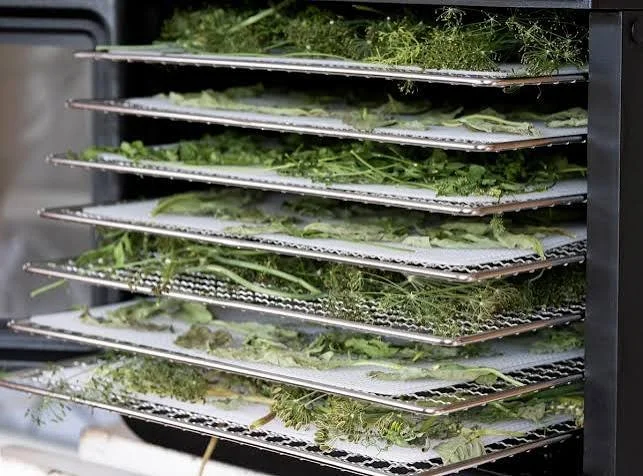
For high-moisture herbs like basil and mint, air drying can be slow enough to invite mold, especially in Exeter's humid summer stretches. A food dehydrator set to a low temperature, around ninety five to one hundred and ten degrees, offers more control and faster, more reliable results.
Once fully dry and crumbly to the touch, strip leaves from stems and store them whole rather than crushed, in airtight glass jars away from light and heat. Whole dried leaves retain flavor far longer than pre-crushed herbs, sometimes for a year or more when stored properly.
Supporting a Productive Herb Garden
A thriving herb harvest starts with a well-maintained garden bed. Regular weeding keeps herbs from competing for nutrients and water, while a light mulch layer helps regulate soil moisture through the hottest weeks of summer without smothering low-growing varieties like thyme and oregano.
Woody herbs like rosemary and sage also benefit from occasional light pruning throughout the season, which encourages fuller growth and a more abundant harvest come drying time.
Let Us Help Your Garden Thrive
Whether you're growing a small kitchen herb bed or a full ornamental and edible landscape, healthy soil and consistent care make all the difference. Seacoast Gardener offers expert pruning, mulching, and seasonal maintenance to help Exeter homeowners get the most from their gardens, from the first spring growth to the last harvest of fall.
Reach out today to schedule a consultation and let us help your garden reach its full potential.
📞 (603) 770-5072 | 🌐 www.seacoastgardener.com
