Soil Health in Summer: Keeping Microbes Alive in Rye, NH
Soil Health in Summer: Keeping Microbes Alive in Rye, NH
Every gardener knows the visible signs of a thriving landscape: glossy leaves, abundant blooms, healthy new growth. But the real engine behind all of it is invisible. It's happening a few inches beneath your feet, where billions of microorganisms are working quietly to keep your plants fed, hydrated, and resilient.
Summer is when this underground world faces its biggest test. Heat, drought stress, and heavy foot traffic can all take a toll on soil biology. If you want your garden to thrive through August and beyond, it starts with protecting the life in your soil.
Why Soil Microbes Matter
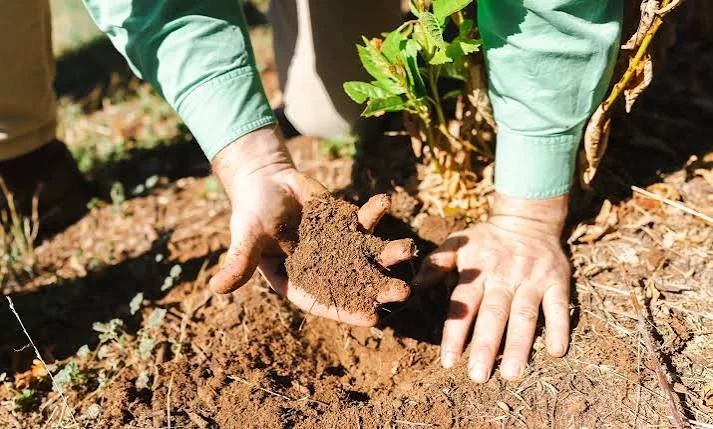
Healthy soil isn't just dirt. It's a living ecosystem. Bacteria, fungi, and other microorganisms break down organic matter, cycle nutrients, and form partnerships with plant roots that improve water and nutrient uptake.
Mycorrhizal fungi, in particular, extend a plant's root system many times over, helping it access moisture and minerals it couldn't reach on its own. When these microbial populations are strong, plants become more drought-tolerant, disease-resistant, and better equipped to handle stress.
Lose that biology, and even well-watered, well-fertilized plants can struggle. Compacted, lifeless soil simply can't support the same level of plant health, no matter how much attention you give the leaves above ground.
The Challenge for Rye Gardens
Here in Rye, our coastal position brings a unique set of soil conditions. Sandy, fast-draining soils are common near the shore, which means moisture and nutrients move through quickly, along with the organic matter that feeds soil life.
Add in salt spray carried inland from the ocean air, and Rye gardens face a double challenge: soil that dries out fast and microbial populations that can be more sensitive to salt exposure than in inland Zone 6b landscapes.
Summer heat only intensifies this. Without consistent organic matter and mulch cover, sandy coastal soils can heat up and dry out rapidly, stressing the very organisms your plants depend on.
Keeping the Soil Alive This Summer
The good news is that a few consistent habits can make a real difference. Protecting soil biology isn't complicated. It's about creating the right conditions and avoiding unnecessary disruption.
Mulch is your single best tool. A two to three inch layer of shredded bark or leaf mulch around trees, shrubs, and perennial beds regulates soil temperature, slows moisture loss, and slowly breaks down to feed the soil food web. In Rye's sandy conditions, mulch is especially critical for buffering against rapid drying.
Water deeply but less often. Frequent shallow watering encourages roots to stay near the surface, where they're more exposed to heat and salt. Deep, infrequent watering trains roots to grow downward, tapping into cooler, more stable soil layers where microbial activity is strongest.
Avoid walking or working the same beds repeatedly during wet periods. Compacted soil loses the air pockets microbes and roots both need to function. If you have heavily trafficked garden paths, consider stepping stones to protect the soil structure nearby.
Skip the synthetic quick fix fertilizers when you can. High salt fertilizers can be harsh on soil biology, especially when combined with the salt exposure many Rye properties already contend with. Compost, aged manure, and organic amendments feed microbes gently while still supplying nutrients.
Supporting Habits Through the Season
Weeding matters more than most people realize when it comes to soil health. Weeds compete not just for sunlight, but for the water and nutrients your soil biology is working to deliver to your desired plants. Regular, gentle weeding, rather than aggressive tilling, keeps that competition in check without disturbing root systems and fungal networks below ground.
Timing your garden tasks around the heat of the day also protects soil moisture. Early morning watering and maintenance reduce evaporation and give plants and soil organisms a better chance to make use of every drop.
Finally, resist the urge to over till or turn beds too often. Every time soil is disturbed, fungal networks are broken apart and microbial communities are set back. A light touch, paired with good mulching and organic matter, does more for long-term soil health than frequent intervention.
A Living Foundation for a Thriving Garden
Soil health isn't a one time fix. It's an ongoing relationship between what's above the ground and what's below it. In a coastal Zone 6b landscape like Rye, that relationship takes a bit more intention, but the payoff is a garden that holds up beautifully through summer's heat and salt air.
If your garden's soil could use some expert attention this season, Seacoast Gardener is here to help. From mulching and soil amendments to full season shrub and ornamental tree care, we bring the fine gardening expertise Rye homeowners trust to keep their landscapes healthy from the roots up.
Reach out today to schedule a consultation and give your garden the living foundation it deserves.
📞 (603) 770-5072 | 🌐 www.seacoastgardener.com
