Pollinator Power: Plants That Buzz in July
Filling Your North Hampton Garden with Bees, Butterflies, and Summer Life
Stand quietly in a well planted garden in North Hampton on a warm July morning and you will hear it before you see it. A low, steady hum rises from the flower beds as bees work the blooms, butterflies drift between blossoms, and hummingbirds dart in for a quick visit. That sound is the mark of a garden that is truly alive.
July is peak season for pollinators along the New Hampshire Seacoast, and it is also the month when many gardens quietly run short on the flowers these creatures depend on. Spring bloomers have finished, and some summer perennials are between flushes. With a little planning, your North Hampton landscape can offer a continuous banquet that keeps pollinators coming back all season.
Why Pollinators Matter in Coastal Gardens
Pollinators do far more than add charm to a garden. Bees, butterflies, moths, and hummingbirds are responsible for pollinating a large share of flowering plants, which means fuller blooms, better fruit set on ornamental and edible plants, and a healthier landscape overall.
In coastal communities like North Hampton, pollinator habitat matters even more. Development, wind exposure, and sandy soils can limit the wild spaces where these creatures naturally forage. A thoughtfully planted home garden becomes a genuine refuge, and in Zone 6b, July is when that refuge is needed most.
The good news is that supporting pollinators does not require a wild or unkempt garden. Many of the best pollinator plants are also among the most beautiful and well behaved perennials available.
The July Bloomers Pollinators Love
Several perennials hit their stride in July and thrive in Seacoast conditions. Coneflowers are a cornerstone, offering wide landing pads that bees and butterflies visit constantly, and they handle sandy soil and coastal sun with ease. Bee balm lives up to its name, drawing bumblebees and hummingbirds with its shaggy, colorful blooms.
Catmint deserves a place in nearly every North Hampton garden. It blooms for weeks on end, tolerates drought and salt laden breezes, and stays busy with bees from morning until evening. Salvia, yarrow, and coreopsis round out the mid summer display, each offering long bloom periods and easy care in fast draining coastal soils.
For later season continuity, plant Joe Pye weed and mountain mint now. Both begin flowering as July turns toward August and become absolute magnets for butterflies and native bees just as other plants fade.
Native Plants Do the Heavy Lifting
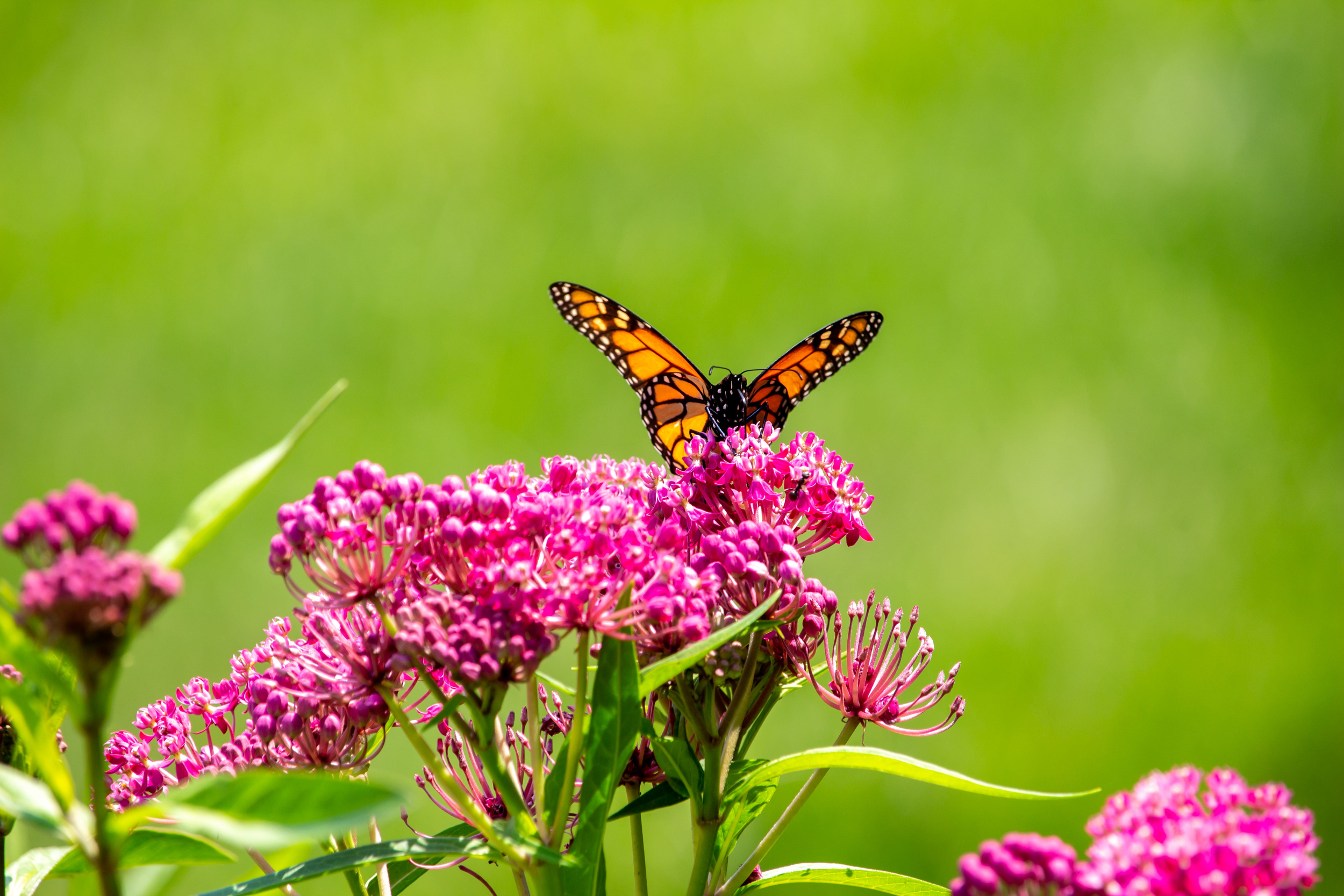
While many garden favorites feed pollinators, native plants offer the strongest support because local insects evolved alongside them. Butterfly weed, a native milkweed with brilliant orange flowers, is essential for monarch butterflies and thrives in the sandy, well drained soils common in North Hampton.
New England aster, blazing star, and native goldenrod extend the season into fall, feeding migrating monarchs and late foraging bees. Even one or two native additions each year steadily increases how much life your garden supports.
Natives also tend to be well suited to coastal conditions, shrugging off wind and dry spells that stress fussier plants. Right plant, right place applies beautifully here.
Plant in Drifts, Not Singles
How you arrange pollinator plants matters nearly as much as which ones you choose. Bees forage most efficiently when they can move between many blooms of the same kind, so planting in groups of three, five, or more creates a target they can find and work easily.
A single coneflower is a nice accent. A drift of seven is a destination. Grouping plants this way also creates the composed, intentional look that fine gardens are known for, with sweeps of color rather than scattered dots.
Aim for overlapping bloom times so something is always flowering from spring through frost. July gaps are the most common, which is exactly why the plants above earn their keep.
Garden Practices That Protect Pollinators
Plant selection is only half the equation. Avoiding broad spectrum insecticides is the single most important step, since these products harm the very creatures you are inviting in. When pest problems arise, targeted and timely approaches protect plants without emptying the garden of its beneficial life.
Leave a shallow water source, such as a dish with pebbles for safe landing, especially during dry coastal stretches. Allow a small corner of the garden to stay a little less tidy, since many native bees nest in bare soil or hollow stems.
Thoughtful pruning and deadheading also help. Removing spent blooms from plants like salvia and catmint encourages fresh flushes of flowers, extending the food supply well into late summer.
Weaving Pollinator Plants into a Fine Garden
Some homeowners worry that a pollinator garden means giving up refinement. In truth, the opposite is possible. Structured beds with clean edges, generous mulch, and layered plantings of pollinator favorites look polished in July and lively in every sense of the word.
Pairing flowering perennials with evergreen structure and ornamental grasses keeps the garden composed through the seasons while the blooms do their buzzing work. This is the balance we strive for in gardens across the Seacoast, beauty and ecology working together.
Bring More Life to Your North Hampton Garden
If you would like help designing pollinator friendly plantings, refreshing tired beds, or caring for your landscape with expert pruning, mulching, weeding, and seasonal maintenance, Seacoast Gardener is here to help. We proudly serve homeowners throughout North Hampton, Hampton, Rye, Exeter, Portsmouth, and the broader New Hampshire Seacoast and Southern Maine with fine gardening care that keeps landscapes healthy, beautiful, and full of life.
📞 (603) 770-5072 | 🌐 www.seacoastgardener.com