When and How to Prune Summer Flowering Shrubs
Timing Your Cuts for Fuller Blooms in Your Hampton Garden
Few things cause more hesitation in a Hampton garden than a pair of pruners hovering over a flowering shrub. Homeowners often wonder if they are about to encourage a beautiful flush of blooms or accidentally remove next season's flowers entirely. The good news is that summer flowering shrubs follow a simple and forgiving logic once you understand how they grow.
Along the New Hampshire Seacoast, where coastal wind and sandy soils already ask a lot of our plants, well timed pruning is one of the kindest things you can do for a shrub. It builds strong structure, encourages generous flowering, and keeps plants healthy for decades. Here is how to get it right.
Know Whether Your Shrub Blooms on New Wood
The single most important question in all of pruning is whether a shrub flowers on old wood or new wood. Summer flowering shrubs, as a group, bloom on new wood, meaning the stems that grow during the current season. Because the flower buds form on fresh growth, these shrubs can be pruned in late winter or early spring without sacrificing a single bloom.
Common examples in Hampton gardens include panicle hydrangeas, smooth hydrangeas, rose of Sharon, butterfly bush, summersweet, and potentilla. All of these push new stems in spring and carry their flowers on that growth by midsummer.
Spring bloomers like lilac, forsythia, and bigleaf hydrangea are the opposite. They set their buds the previous year, so pruning them in early spring removes the show before it starts. When in doubt, watch when the shrub flowers. If it blooms after the middle of June, it almost certainly flowers on new wood.
The Best Time to Prune in Zone 6b
For summer flowering shrubs on the Seacoast, the ideal pruning window is late winter into early spring, while the plant is still dormant. In our Zone 6b coastal climate, that generally means after the hardest cold has passed but before buds begin to swell and open.
Pruning during dormancy gives you a clear view of the branch structure without leaves in the way. It also means the plant directs its full spring energy into the stems you have chosen to keep, producing vigorous growth and abundant flowers.
Light touch up pruning can happen in summer as well. Removing spent flower heads from panicle hydrangeas or butterfly bush during the season often encourages a second flush of blooms. What you want to avoid is heavy pruning in late summer or early fall, which can push tender new growth just as coastal weather turns cold.
Choosing the Right Cuts
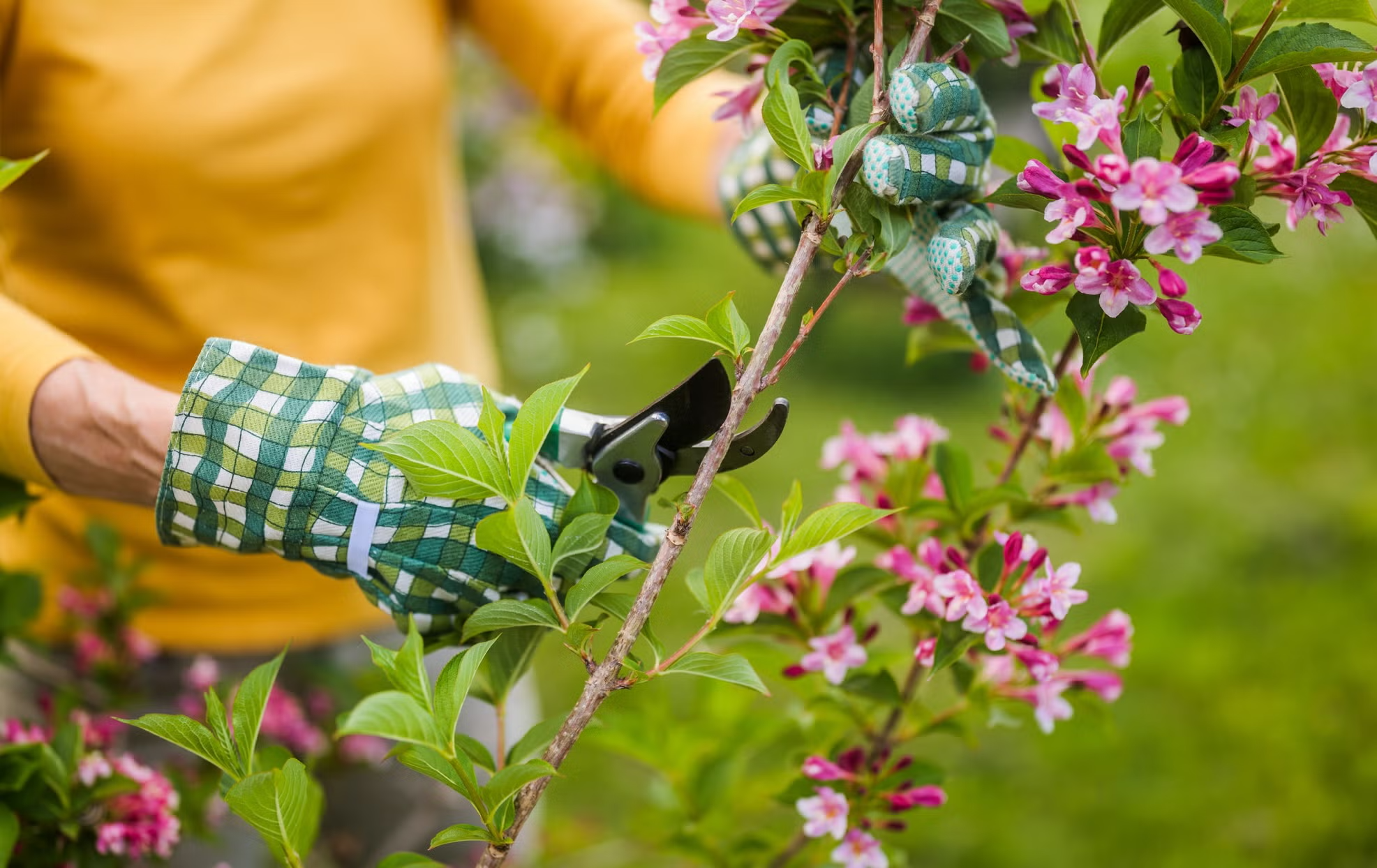
Good pruning is about making a few thoughtful cuts rather than many hurried ones. Start by removing the three Ds: anything dead, damaged, or diseased. In Hampton gardens, winter wind and salt spray often leave behind broken tips and dried stems, and clearing these first reveals the true shape of the plant.
Next, use thinning cuts to remove entire stems back to their point of origin, focusing on branches that cross, rub, or crowd the center of the shrub. Thinning opens the interior to light and air, which matters greatly in humid coastal summers where fungal problems thrive in dense growth.
Finally, use reduction cuts to manage height, cutting back to a healthy outward facing bud or a strong side branch. Avoid shearing everything to one flat level, which creates a dense outer shell of weak growth and that harsh meatball look. A shrub pruned with individual cuts keeps a soft, natural silhouette and flowers throughout the plant rather than only at the surface.
How Much to Remove
For most established summer flowering shrubs, removing about a quarter of the oldest stems each year keeps the plant continuously renewing itself. Vigorous bloomers like panicle hydrangea and butterfly bush tolerate harder pruning, and many Hampton gardeners cut butterfly bush back to twelve or eighteen inches each spring with excellent results.
Smooth hydrangeas can also be cut low, though leaving a framework of two feet or so helps the stems stay upright under heavy summer blooms. For shrubs that have been neglected for years, resist the urge to fix everything at once. A staged renovation over two or three seasons is far gentler and keeps the plant flowering while it rebuilds.
As a general guardrail, stay under roughly a third of the total plant in any single season unless you are deliberately renovating.
Caring for Shrubs After Pruning
Pruning is a small stress, and a little aftercare helps plants respond beautifully. Refresh the mulch layer to two or three inches, keeping it pulled back from the stems, so the sandy soils common in Hampton hold moisture through the growing season.
Water deeply during dry stretches, especially in the first weeks after pruning when the plant is pushing new growth. Hold off on heavy fertilizing right after a hard cut, since the shrub will produce plenty of new growth on its own and excess nitrogen only encourages weak, floppy stems.
Keep your tools clean and sharp, wiping blades with disinfectant when you have been working on anything diseased. Sharp tools make clean cuts that heal quickly, which matters in a coastal climate where plants face enough challenges already.
Expert Pruning for Your Hampton Landscape
If your summer flowering shrubs could use a skilled hand, Seacoast Gardener specializes in expert pruning that protects blooms, builds strong structure, and keeps every plant looking natural and composed. We serve homeowners throughout Hampton, North Hampton, Rye, Exeter, Portsmouth, and the broader New Hampshire Seacoast and Southern Maine with fine gardening care including pruning, shrub care, ornamental tree maintenance, mulching, weeding, and seasonal garden support.
📞 (603) 770-5072 | 🌐 www.seacoastgardener.com