Coping with Drought: Smart Watering Solutions
How to Keep Your Rye Garden Healthy When Rain Stays Away
Every summer along the New Hampshire Seacoast brings at least one stretch where the rain simply stops. The sky stays bright, the ocean breeze keeps blowing, and gardens in Rye begin to show the quiet signs of stress. Leaves droop by afternoon, lawns lose their spring, and even established shrubs start to look tired.
Drought does not have to mean a struggling landscape. With a few smart watering habits and some thoughtful preparation, Rye homeowners can carry their gardens through dry spells with plants that stay healthy, hydrated, and beautiful. The key is watering wisely rather than watering more.
Why Coastal Gardens Feel Drought Quickly
Gardens in Rye face a particular challenge during dry weather. The sandy soils common near the coast drain rapidly, which is wonderful in a wet spring but unforgiving in a dry summer. Water moves through the root zone quickly, and plants have little reserve to draw on once the surface dries out.
Coastal wind adds to the problem. Even on mild days, steady breezes pull moisture from leaves and soil faster than many gardeners realize. A Rye garden can dry out noticeably faster than an inland garden receiving the same amount of water.
Understanding this helps explain why drought stress often appears here before official drought conditions are declared. In Zone 6b coastal gardens, smart watering is a summer necessity, not an emergency response.
Water Deeply, Not Frequently
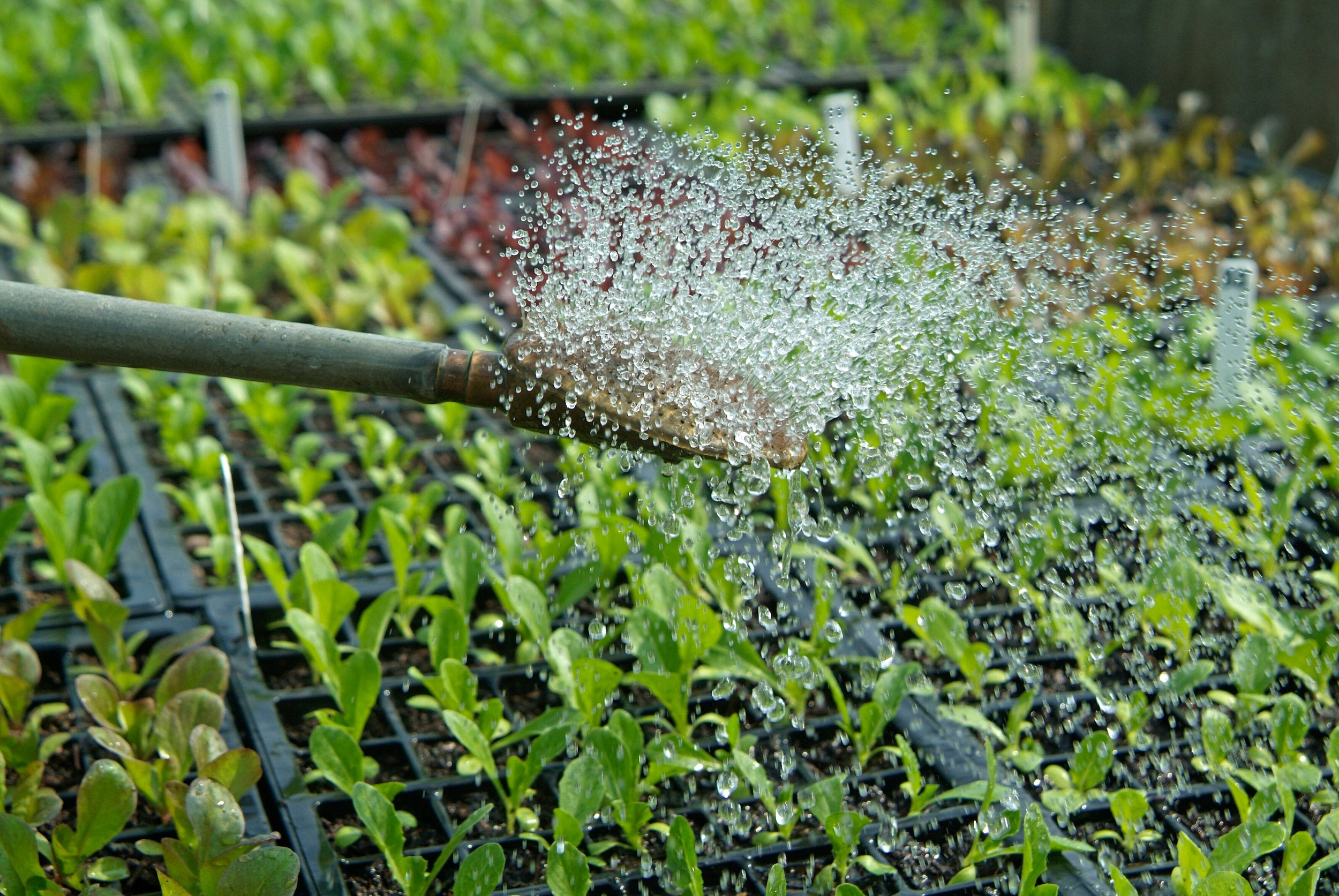
The single most valuable watering habit is also the simplest. Water deeply and less often rather than lightly and every day. Shallow, frequent watering keeps moisture in the top inch or two of soil, which encourages roots to stay near the surface where they are most vulnerable to heat and drying wind.
Deep watering pushes moisture down six inches or more, encouraging roots to follow. Plants with deeper root systems handle drought far better because they can access moisture that surface roots never reach. For most garden beds in Rye, one or two thorough soakings per week during dry weather serves plants better than a daily sprinkle.
A good test is to water a bed thoroughly, wait an hour, then dig down a few inches with a trowel. If the soil is moist at that depth, the water is reaching where it matters.
Time Your Watering for the Morning
When you water matters almost as much as how much you water. Early morning is the ideal window, generally before nine, when temperatures are cool and wind is usually at its calmest. Water applied in the morning soaks into the soil before the heat of the day, and foliage dries quickly, which reduces disease pressure.
Evening watering is a common habit, but wet foliage sitting overnight invites fungal problems like powdery mildew, especially in humid coastal air. Midday watering loses a significant portion to evaporation before it ever reaches the roots. If mornings are difficult, early evening at the soil level is a reasonable second choice, keeping water off the leaves.
Focus Water Where It Counts Most
During extended dry periods, not every plant needs equal attention. Newly planted trees, shrubs, and perennials should always come first, since their root systems have not yet established and they depend entirely on the water you provide. A shrub planted this spring in a Rye garden needs consistent deep watering through its entire first season.
Established shrubs and ornamental trees are far more resilient and often need only occasional deep soaking. Lawns can be allowed to go dormant during drought, turning brown temporarily and greening up again when rain returns. Prioritizing water this way keeps your most vulnerable plants thriving without waste.
Let Mulch Do the Quiet Work
A generous layer of organic mulch is one of the most effective drought tools available. Two to three inches of mulch over garden beds slows evaporation, keeps soil temperatures steadier, and suppresses the weeds that compete with your plants for every drop of moisture.
In Rye's sandy soils, mulch is especially valuable because it holds moisture near the surface longer, giving roots more time to absorb it. Keep mulch a few inches away from stems and trunks, and refresh thin areas before the hottest weeks of summer arrive.
Consider Soaker Hoses and Drip Irrigation
Soaker hoses and drip lines deliver water slowly and directly to the soil, which is exactly what drought stressed plants need. Very little is lost to evaporation or wind drift, and foliage stays dry. Laid beneath mulch along garden beds, a soaker hose can water deeply with far less water than a sprinkler uses.
For homeowners in Rye who travel in summer or manage larger beds, a simple timer paired with drip irrigation keeps watering consistent even when life gets busy. Consistency is often what separates gardens that sail through drought from gardens that struggle.
Build Drought Resilience for the Long Term
Smart watering carries a garden through a dry summer, but long term resilience comes from healthy soil and thoughtful plant care. Adding compost each season improves the ability of sandy coastal soil to hold moisture. Proper pruning keeps shrubs balanced so they are not supporting more foliage than their roots can supply in dry conditions.
Over time, these practices create a landscape that needs less rescue watering and recovers more gracefully when rain finally returns.
Expert Garden Care for Your Rye Landscape
If your Rye garden could use professional support with mulching, soil improvement, pruning, shrub care, ornamental tree maintenance, or seasonal planning for dry weather, Seacoast Gardener is here to help. We serve homeowners throughout Rye, Hampton, North Hampton, Exeter, Portsmouth, and the broader New Hampshire Seacoast and Southern Maine with fine gardening care that keeps landscapes healthy and beautiful in every season.
📞 (603) 770-5072 | 🌐 www.seacoastgardener.com