Deadheading for a Strong Fall Bloom
Why Deadheading Still Matters in Late Summer
By this point in the season, many Portsmouth gardens are showing the wear of a long summer, with spent blooms hanging on past their prime. It's tempting to let things coast toward fall, but consistent deadheading right now can coax a genuine second wave of flowers before frost. Removing spent blooms redirects a plant's energy away from seed production and back into new growth and flowering. For many perennials and annuals alike, this small weekly habit is the difference between a garden that fades in August and one that carries color into October.
The Simple Science Behind It
Once a flower fades, most plants shift into seed-set mode, which is a biological signal to stop producing new blooms. By snipping spent flowers before seeds form, you interrupt that signal and the plant responds by pushing out new buds instead. This is especially true for repeat bloomers like coneflowers, black-eyed Susans, and many roses, which are genetically wired to keep flowering as long as they're not allowed to complete their seed cycle. Understanding this mechanism helps homeowners see deadheading not as tidying, but as an active tool for extending bloom time.
What to Deadhead Now Around the Seacoast
Roses respond particularly well to late-summer deadheading, and cutting just above a five-leaflet leaf encourages strong new growth before our first frost, typically weeks away yet here in Portsmouth. Coneflowers, coreopsis, and salvia all benefit from regular deadheading and will often rebloom right through September if kept consistently groomed. Annuals like petunias, zinnias, and cosmos are especially responsive, sometimes producing noticeably more flowers within just a week or two of a thorough deadheading session. I always leave a few spent blooms on plants like coneflower and black-eyed Susan late in the season, since their seed heads provide valuable food for goldfinches and other birds through fall and winter.
What to Leave Alone
Not every plant benefits from deadheading, and knowing the difference matters. Ornamental grasses and many late-season bloomers like asters and sedum are best left untouched, since their seed heads and structure add winter interest once the garden goes dormant. Hydrangeas, depending on variety, often shouldn't be deadheaded this late, since doing so can interfere with next year's buds on old-wood varieties. This is where local knowledge really helps, since a technique that works beautifully on one plant can set back another entirely.
Technique Makes a Real Difference
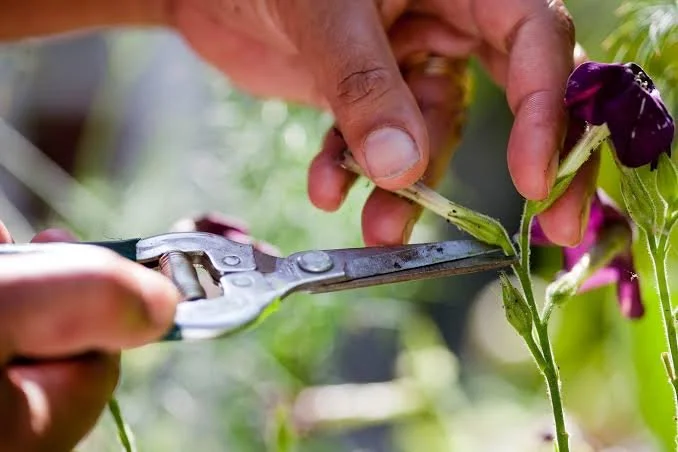
Deadheading isn't just about removing the flower head, cutting location matters for how the plant responds. For most perennials, cutting back to just above a set of healthy leaves or a lateral bud encourages the plant to branch and produce new flowering stems. Using clean, sharp pruners prevents crushing stems or introducing disease, which matters more than people expect during the humid stretches we sometimes get on the Seacoast in late summer. For plants with many small blooms, like salvia or catmint, shearing the whole plant back by a third after the first flush is often more efficient than deadheading individual flowers one by one.
Building It Into a Weekly Habit
The gardens that hold color longest into fall are almost always the ones where deadheading happens consistently rather than in one big catch-up session. A quick fifteen-minute walk through your beds once or twice a week, snipping spent blooms as you go, keeps plants actively flowering without letting the task pile up. This regular attention also gives you the chance to spot other issues early, like pest damage or a plant that's struggling, before they become bigger problems. It's a small investment of time that pays off visibly within days.
Extending Your Fall Color
Combined with proper watering and a light feeding of slow-release fertilizer, consistent deadheading can genuinely extend a Portsmouth garden's color well into fall. Many homeowners are surprised at how much life is still left in their beds when spent blooms are kept removed rather than left to fade in place. It's one of the simplest, lowest-cost things you can do for your landscape, and the results show up quickly. A little consistent attention now rewards you with weeks of additional bloom before the season winds down.
If your Portsmouth garden could use some late-season attention to keep the color going, Seacoast Gardener is here to help with deadheading, seasonal care, and everything in between.
📞 (603) 770-5072 | 🌐 www.seacoastgardener.com
