Keeping Backyard Bird Baths and Feeders Healthy Through Winter
Why Winter Care for Bird Baths and Feeders Matters
As winter settles over the Seacoast and days become shorter, our local birds depend more heavily on safe sources of water and food. While natural supplies can be limited during cold months, clean bird baths and feeders help support chickadees, cardinals, finches, and other winter residents in Portsmouth, Rye, Exeter, and surrounding communities. Dirty feeders can spread disease, and untreated baths can freeze solid. Preparing these stations now helps protect our backyard birds all season long.
Understanding the Needs of Birds in Zone 6b
Birds require fresh water even in the coldest months, not just for drinking but also for keeping their feathers clean and insulating. Feeders also become more important when snow covers natural seed sources. Along the coast, winter winds and storms can quickly contaminate or clog feeders with moisture and debris. A thoughtful cleaning routine helps maintain a safe, steady supply of food and water despite winter conditions.
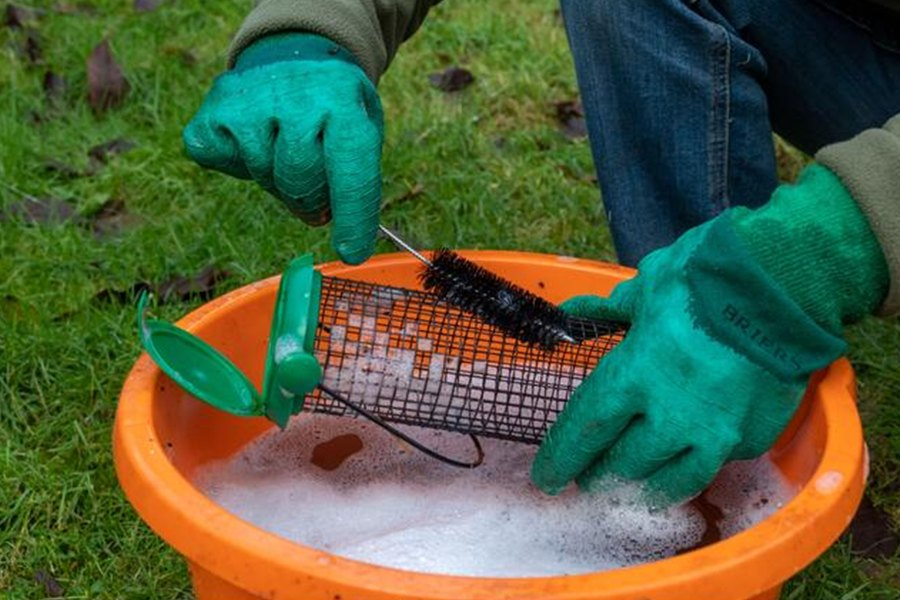
How to Clean Bird Feeders Properly
Begin by emptying all old seed and discarding anything wet, moldy, or stuck together. Rinse the feeder with hot water, then scrub with a mixture of mild dish soap and warm water. For deeper cleaning, a ten percent vinegar solution works well to dissolve residue. Be sure to rinse thoroughly and allow the feeder to dry completely before refilling to prevent mold growth.
Disinfecting Feeders to Prevent Disease
Feeder hygiene is essential for preventing the spread of avian illnesses. After washing, soak feeders in a solution of one part white vinegar to nine parts water or use a mild bleach solution if needed. Let the feeder sit for at least ten minutes before rinsing. This step is especially important in areas like North Hampton and Greenland where heavy feeder traffic is common.
Choosing the Right Seed for Winter Feeding
Not all seed mixes are ideal for winter. Black oil sunflower seed is a favorite among many species and provides high energy during cold weather. Nyjer seed supports finches and siskins, while suet blocks offer essential fat for woodpeckers and nuthatches. Choosing high quality seed reduces waste and keeps feeders from clogging after storms.
How to Maintain Bird Feeders in Poor Weather
Winter storms can pack moisture into seed ports or knock feeders off their hooks. Check your feeders after heavy snow or wind, clearing out wet seed and brushing off ice accumulation. Position feeders near shrubs or small trees to offer birds shelter but far enough from dense branches to deter predators. In coastal towns like Kittery and York, wind protection can make a noticeable difference in feeder use.
Cleaning Bird Baths for Winter
A clean bird bath provides essential hydration in winter. Start by dumping any old water and scrubbing the basin with a stiff brush and mild soap. Rinse thoroughly to ensure no residue remains. If your bird bath is prone to freezing, consider a heated bird bath or a small water heater designed specifically for outdoor use.
Preventing Ice in Bird Baths
Birds will not use a frozen bath, and ice expansion can damage ceramic or concrete basins. Heated bird baths are safe and energy efficient, keeping water just above freezing without creating warm water that attracts pests. For unheated baths, refill with warm (not hot) water on milder days and empty the basin before freezing nights. Positioning your bath in a sunny spot can also help slow ice formation.
Where to Place Bird Baths and Feeders for Winter
Choose locations sheltered from harsh coastal winds but still visible for monitoring. Placing feeders near evergreen shrubs provides natural cover without exposing birds to predators. Keep baths level and stable so water does not spill and freeze along the base. Proper placement also helps keep the area clean and reduces ice hazards around your yard.
Supporting Birds with Winter Garden Practices
Your overall garden design helps support winter bird activity. Leaving seed heads on coneflowers, grasses, and black eyed Susans provides extra food sources. Allowing some leaf litter beneath ornamental trees creates habitat for insects that birds rely on. These simple practices combined with clean feeders and baths create a balanced winter ecosystem.
Routine Winter Maintenance for Bird Stations
Check feeders and baths at least once a week during winter. Remove ice, refill water, clean ports, and shake out any compacted seed. Birds will visit more frequently when stations remain clean and consistent. This routine also helps you spot early signs of wear or damage to your equipment.
Common Mistakes to Avoid
Avoid using strong chemical cleaners, which leave harmful residue behind. Do not allow seed to sit wet in feeders, as it quickly becomes moldy. Never use hot water to break ice in bird baths, as sudden temperature changes can crack the basin. Small adjustments help maintain a safe environment for wildlife.
How Seacoast Gardener Supports Ecological Garden Care
Supporting local birds aligns beautifully with year round fine gardening. Seacoast Gardener offers maintenance services that include seasonal cleanup, native plant care, mulching, pruning, and habitat friendly landscaping. Our work throughout Portsmouth, Rye, Exeter, and North Hampton helps homeowners create outdoor spaces that are both beautiful and ecologically vibrant.
Let Seacoast Gardener Help You Create a Bird Friendly Winter Garden
If you want your feeders, baths, and garden beds to support wildlife throughout the cold season, Seacoast Gardener is ready to help. Our fine gardening services ensure your landscape stays healthy, clean, and welcoming for birds and beneficial insects. Reach out today to prepare your winter garden and enjoy a season filled with life and color.
Contact Information:
Seacoast Gardener — (603) 770-5072 | www.SeacoastGardener.com
Expert Pruning — (603) 996-3867 | www.ExpertPruning.com