Dormant Pruning Shrubs and Small Trees
What to Prune Now for Stronger Spring Growth
Late winter on the Seacoast has a stillness that experienced gardeners recognize as opportunity. While landscapes in Portsmouth, Rye, Exeter, and North Hampton may look quiet, plants are resting and ready for careful work. Dormant pruning during this window is one of the most valuable steps you can take to improve plant structure, health, and long term beauty. As a Master Gardener working in Zone 6b, I often tell neighbors that pruning is not about cutting plants back hard. It is about understanding how they grow and helping them grow better. When done correctly during dormancy, pruning sets the stage for balanced spring growth and fewer problems later in the season.
Why Dormant Pruning Matters in Zone 6b
Dormant pruning takes place after the coldest part of winter has passed but before buds begin to swell. In Southern New Hampshire and Southern Maine, this usually falls between late February and early April depending on weather. Plants are not actively growing, which means they experience less stress from pruning cuts. With leaves gone, branch structure is easy to see. This makes it simpler to identify crossing branches, weak growth, and areas that need correction. Clean cuts heal more efficiently once spring growth begins. Dormant pruning also reduces disease pressure. Many fungal and bacterial issues spread during the growing season, not in cold weather. Pruning now lowers the risk of infection and helps plants start fresh.
Shrubs That Benefit From Dormant Pruning
Many deciduous shrubs respond beautifully to late winter pruning. Hydrangea paniculata and smooth hydrangea are good examples. These bloom on new wood, so pruning now encourages stronger stems and larger flowers in summer. Spirea, potentilla, and summersweet can also be pruned during dormancy. Removing old or crowded stems improves airflow and allows sunlight to reach the center of the plant. This leads to fuller growth and better flowering. Shrubs that bloom in spring should be approached with caution. Lilac, forsythia, and azalea form buds the previous season. Pruning them now removes flowers, so they are best pruned right after blooming.
Small Trees That Can Be Pruned Now
Dormant pruning is ideal for many small ornamental trees. Crabapple, serviceberry, redbud, and dogwood all benefit from structural pruning before spring growth begins. The goal is to establish strong branch spacing and remove weak or damaged limbs. In Seacoast towns, winter winds and heavy snow often cause subtle damage. Dormant pruning allows you to address cracks or broken branches before they fail during spring storms. This is especially important in exposed areas near the coast. Young trees benefit the most from early structure work. Thoughtful pruning now reduces the need for corrective pruning later in the tree’s life.
What to Look For When Pruning
Start by removing dead, damaged, or diseased wood. These branches do nothing for the plant and can invite pests or decay. Cutting them back to healthy tissue improves overall vigor. Next, look for crossing or rubbing branches. When branches rub, they create wounds that weaken the plant over time. Removing one of the offenders protects the structure and reduces stress. Finally, consider shape and balance. A well pruned shrub or tree should have an open structure that allows light and air to move through the canopy.
Tools and Technique Matter
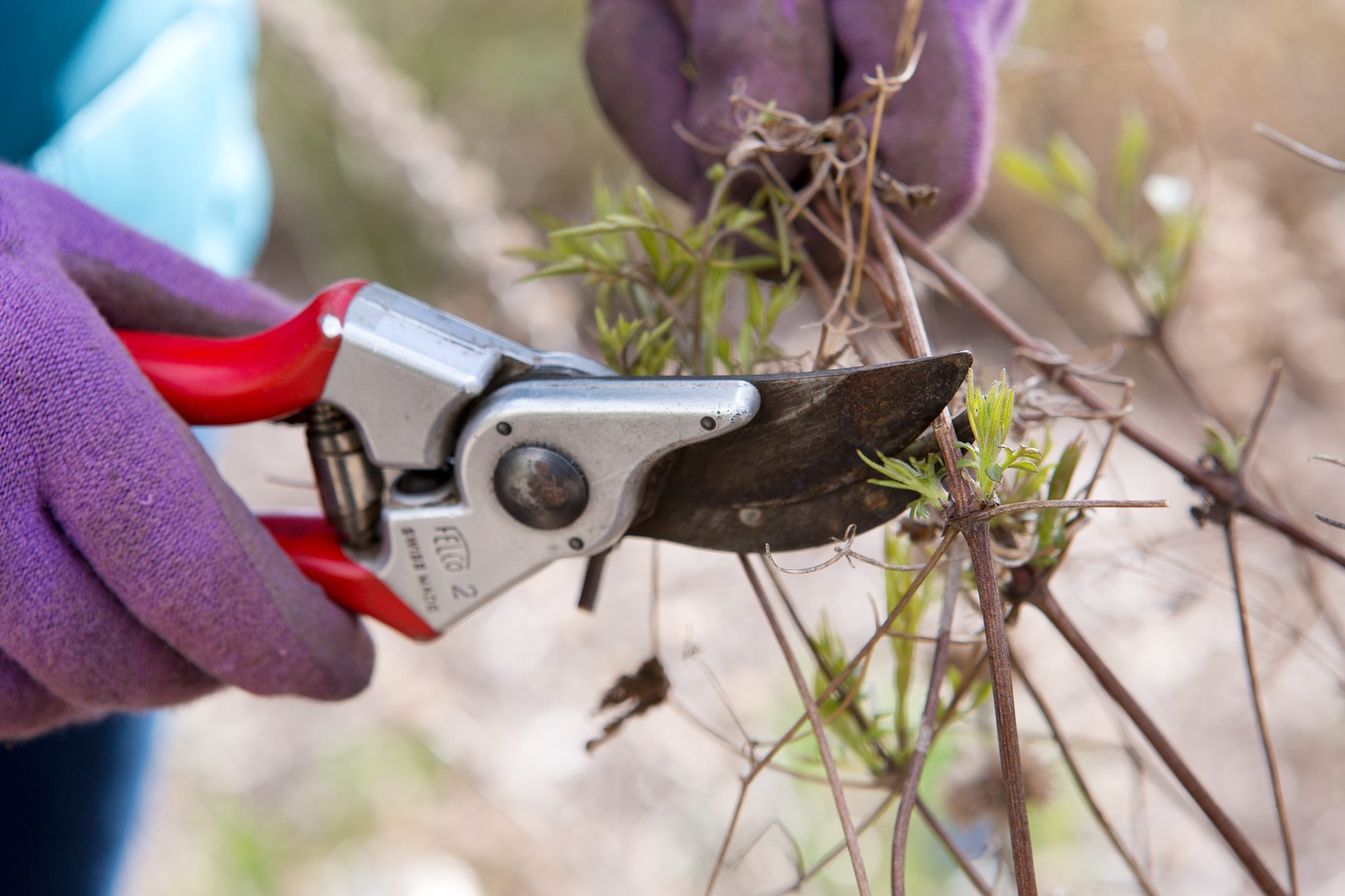
Sharp, clean tools are essential. Dull blades tear bark instead of making clean cuts, which slows healing. Disinfecting tools between plants helps prevent disease spread. Cuts should be made just outside the branch collar, not flush against the trunk and not leaving stubs. Proper placement allows the plant to seal the wound naturally. Avoid heavy pruning all at once. Removing too much growth can shock plants and lead to excessive regrowth in spring.
How Pruning Fits Into Seasonal Garden Care
Dormant pruning works best when combined with other early season tasks. Late winter is also a good time to plan weeding strategies, mulching schedules, and shrub care for the months ahead. All of these elements support healthy growth. Pruning improves light and airflow, which reduces weed pressure and disease issues later. Mulching after soil warms helps protect roots and conserve moisture. Seasonal timing ties everything together. Fine gardening is about coordination. Each task supports the next, creating a landscape that grows stronger each year.
Local Knowledge Makes the Difference
Every yard in the Seacoast region has its own challenges. Soil type, salt exposure, wind patterns, and sun angles vary widely even within the same town. What works in Exeter may need adjustment in Rye or Portsmouth. Professional fine gardening services understand these nuances. Dormant pruning is not a one size fits all task. It requires knowing plant species, growth habits, and local conditions. At Seacoast Gardener, we help homeowners make confident decisions about pruning, shrub care, ornamental trees, weeding, and mulching. Our approach is rooted in experience and respect for the landscape.