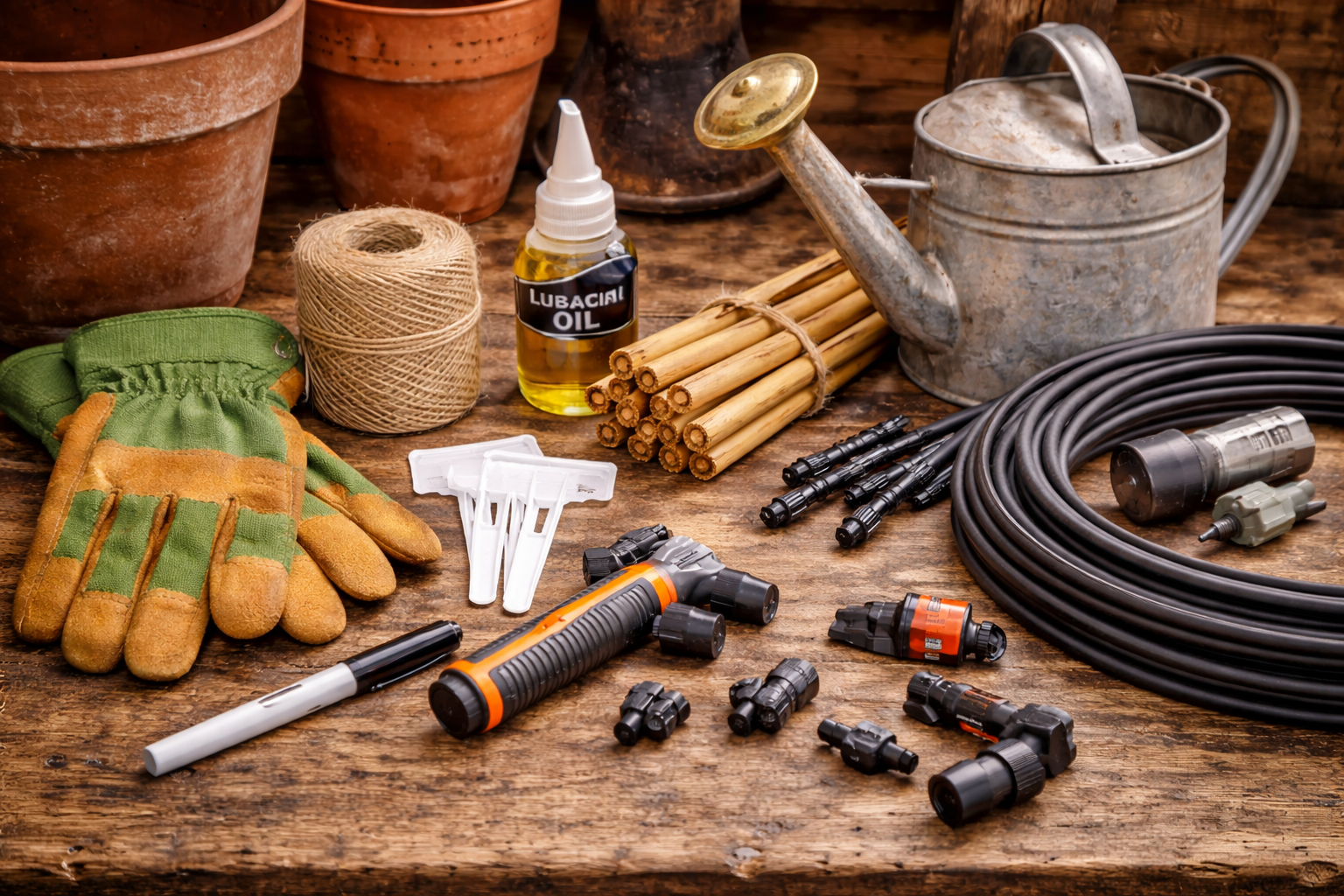
Countdown to Spring: Preparing Tools and Supplies
Seacoast soils in Zone 6b range from sandy and fast draining near Portsmouth and North Hampton to heavier, compacted ground around Exeter. Preparing early with compost, organic fertilizers, and quality mulch ensures you are ready when the soil becomes workable. Thoughtful soil preparation sets the stage for stronger roots, healthier plants, and a more resilient garden all season long.
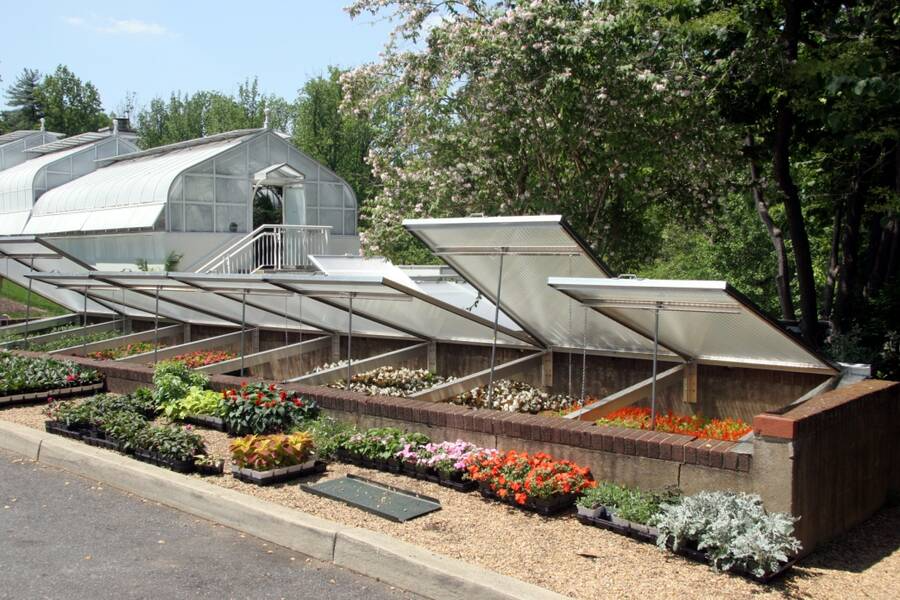
Greenhouse and Cold Frame Gardening Extending the Season on the Seacoast
Greenhouses and cold frames both help extend the growing season in Zone 6b, but each serves a different purpose. While a greenhouse offers a fully enclosed, temperature controlled space for starting seeds and growing tender plants, a cold frame provides simple protection for hardening off seedlings and extending spring and fall harvests. Understanding the difference helps Seacoast gardeners make the most of every growing season.
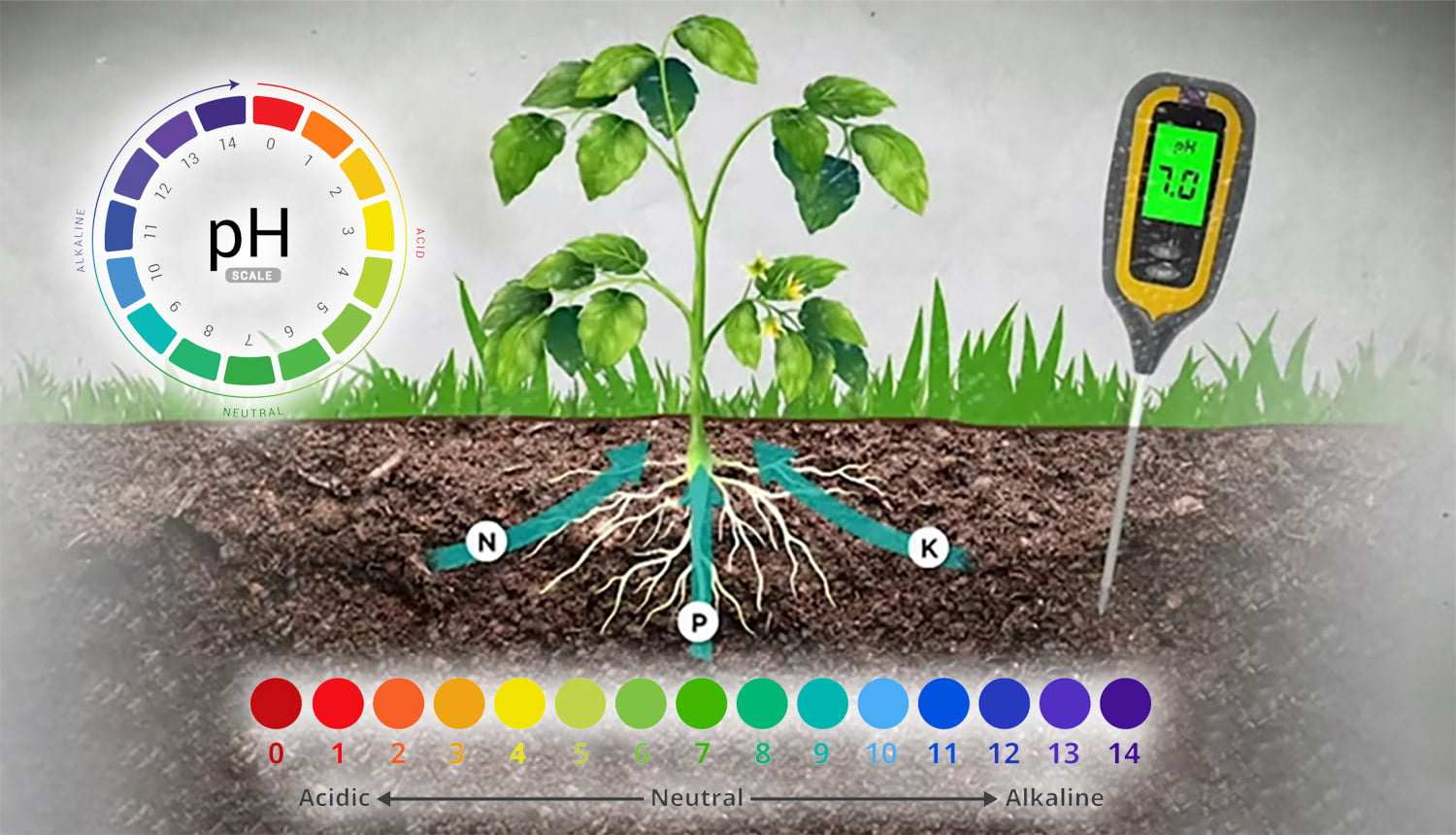
Soil Testing and Amending Before Spring
Before you plant a single flower this spring, make sure your soil is ready. Soil testing and proper amendments can improve drainage, balance pH, and strengthen shrubs and ornamental trees across the Seacoast of New Hampshire and Southern Maine. A healthy foundation now means more resilient, beautiful gardens in Portsmouth, Rye, Exeter, and North Hampton all season long.
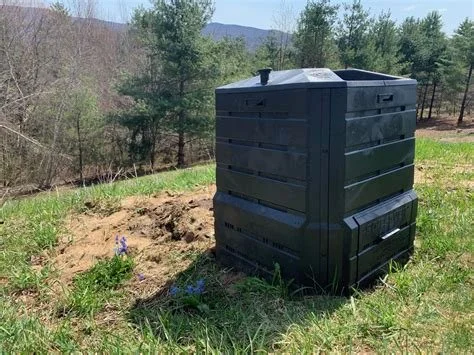
Compost Planning for the Year Ahead
Healthy Seacoast gardens begin with healthy soil. Learn how thoughtful compost planning throughout the year can improve drainage, boost plant vigor, and support stronger shrubs and ornamental trees in Zone 6b. With the right timing and local know how, your compost can become the foundation for a more resilient and beautiful landscape in Portsmouth, Rye, Exeter, and beyond.
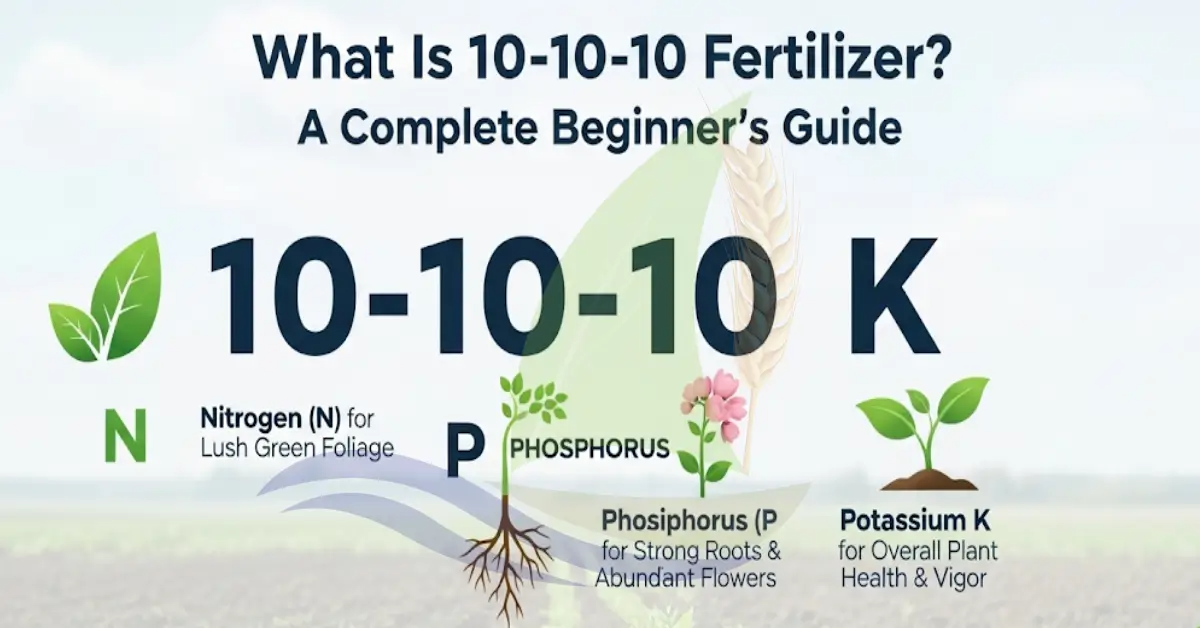
Understanding Fertilizer Numbers: What Do 4-10-3 and 10-10-10 Really Mean?
Confused by the numbers on your fertilizer bag? On the New Hampshire Seacoast, understanding what 4-10-3 or 10-10-10 means can make all the difference in how your garden grows. Learn how nitrogen, phosphorus, and potassium work together to build healthy roots, lush foliage, and resilient plants in our coastal Zone 6b climate — and how to choose the right mix for your soil and season.
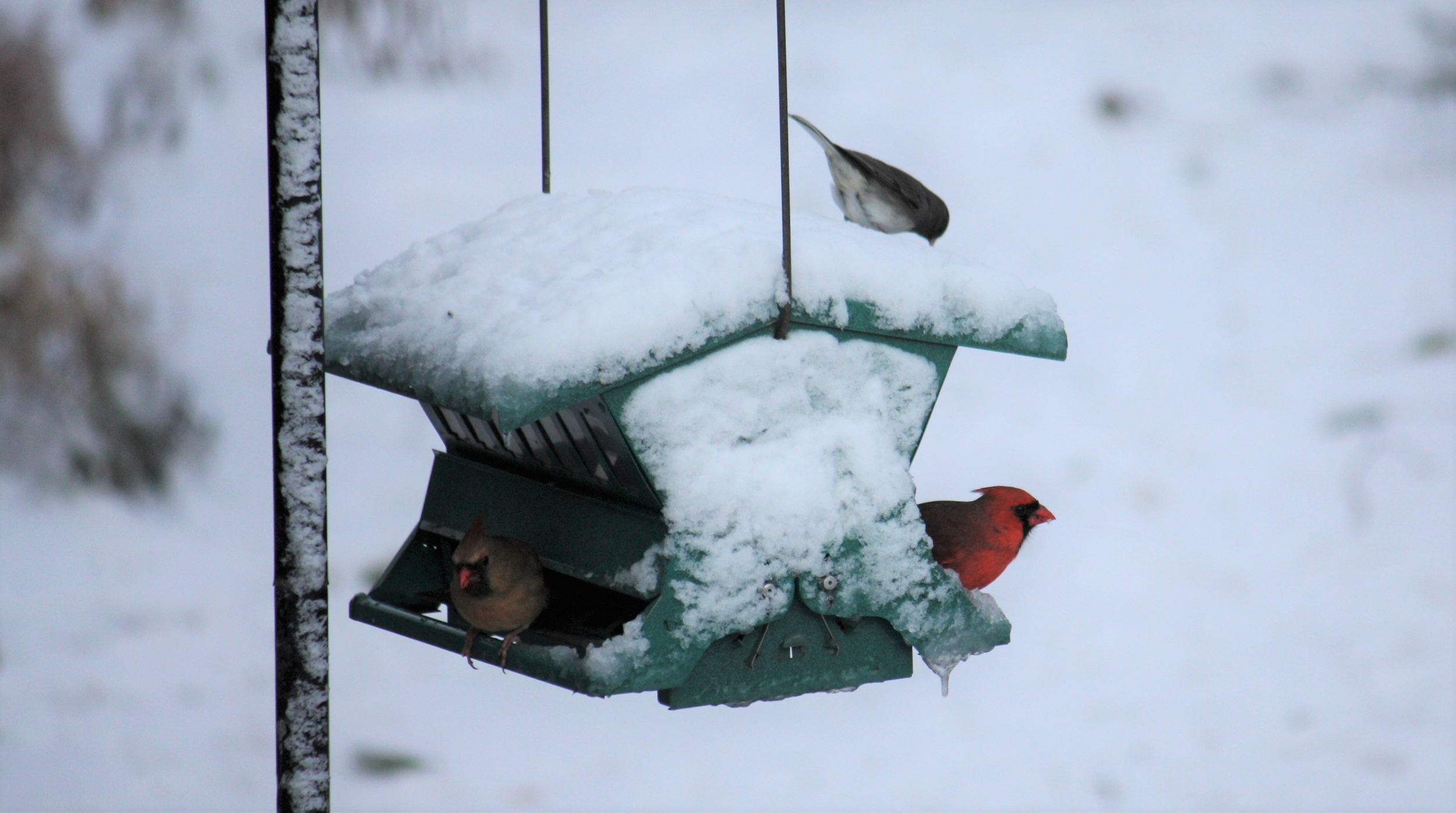
Winter Wildlife: Helping Birds and Pollinators Thrive
Even in the quiet of winter, your garden can be a lifeline for birds and pollinators. By leaving seed heads, providing shelter, and maintaining healthy shrubs and ornamental trees, Seacoast landscapes can support wildlife through the coldest months in Zone 6b. Thoughtful winter care creates a garden that is not only beautiful, but alive all year long.