
Creating a Pollinator Pathway in Your Backyard
A pollinator garden does more than look beautiful. It connects your Portsmouth backyard to a living network of bees, butterflies, and beneficial insects that your whole neighborhood depends on. The key is designing for continuous bloom from early spring through hard frost, choosing plants suited to coastal Zone 6b conditions, and letting the garden be just a little wilder than you might be used to. Here is how to do it well.
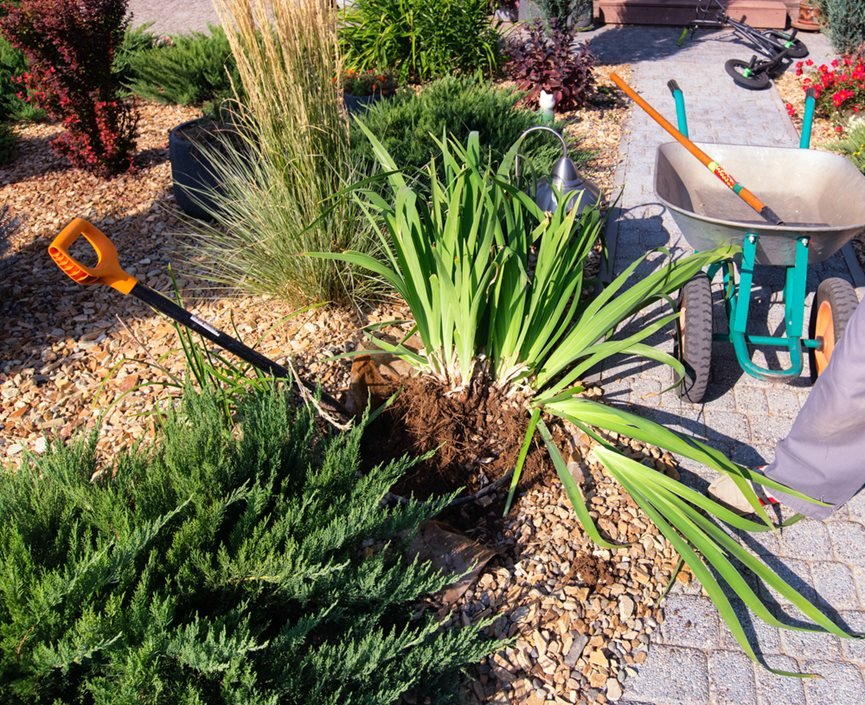
Dividing Perennials: Which Plants to Split and When
When a perennial clump stops blooming freely or develops that telltale dead zone in the center, it is not a problem — it is an invitation. Learn which plants to divide, when to do it in our Zone 6b coastal climate, and how to do it well.

Mulching for Moisture and Weed Control: The March Sweet Spot
There is a narrow window in early spring when mulching does more good than at almost any other time of year — and most gardeners miss it. Along the Seacoast, that window falls in March, before weed seeds germinate and freeze-thaw cycles do their damage. Here is how to make the most of it.

Pruning Hydrangeas for Reliable Blooms | NH Seacoast
Hydrangeas are Seacoast favorites, but pruning mistakes often leave gardeners with leaves instead of blooms. The key is knowing your variety and pruning at the right time. Bigleaf and oakleaf hydrangeas bloom on old wood, while panicle and smooth types bloom on new wood. With the right approach, you’ll enjoy reliable flowers year after year.

Powdery Mildew Prevention in April: A Seacoast Gardener's Guide to Protecting Your Plants Early
April is the best time to stop powdery mildew before it starts. In Seacoast gardens, cool air and rising humidity create ideal conditions for fungal growth. With simple steps like improving airflow, watering correctly, and ensuring proper sunlight, you can protect your plants early and avoid damage later in the season.

How to Edge Garden Beds for a Crisp Spring Look
Of all the things you can do to transform a garden's appearance in a single afternoon, edging the beds may deliver the fastest return. A crisp, vertical edge slows grass invasion, keeps mulch in place, and gives the entire landscape a composed, intentional look that no amount of planting can replicate on its own. Here is how to do it correctly — and when to do it — for a Seacoast garden that looks sharp from the very first warm weekend of spring.