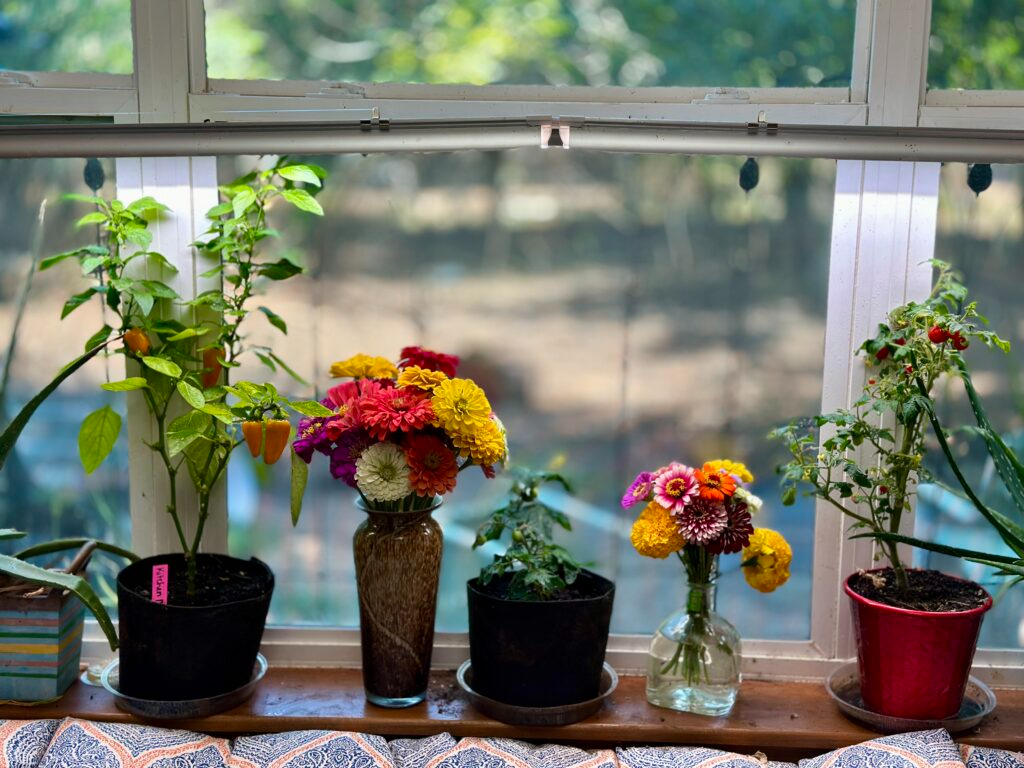
Refreshing Your Indoor Garden for the New Year
The start of a new year brings a quiet reset to the Seacoast. While outdoor gardens rest beneath frozen soil and coastal winds, indoor plants remain active and responsive. Winter is the ideal time to refresh your indoor garden, restore balance, and prepare plants for healthy growth before spring returns to Zone 6b.
As a Master Gardener working throughout Portsmouth, Rye, Exeter, and North Hampton, I often remind homeowners that thoughtful winter care indoors directly impacts plant strength, pest resistance, and overall success when the seasons change. Small, gentle steps taken now can prevent stress and set the stage for a smooth transition into spring.
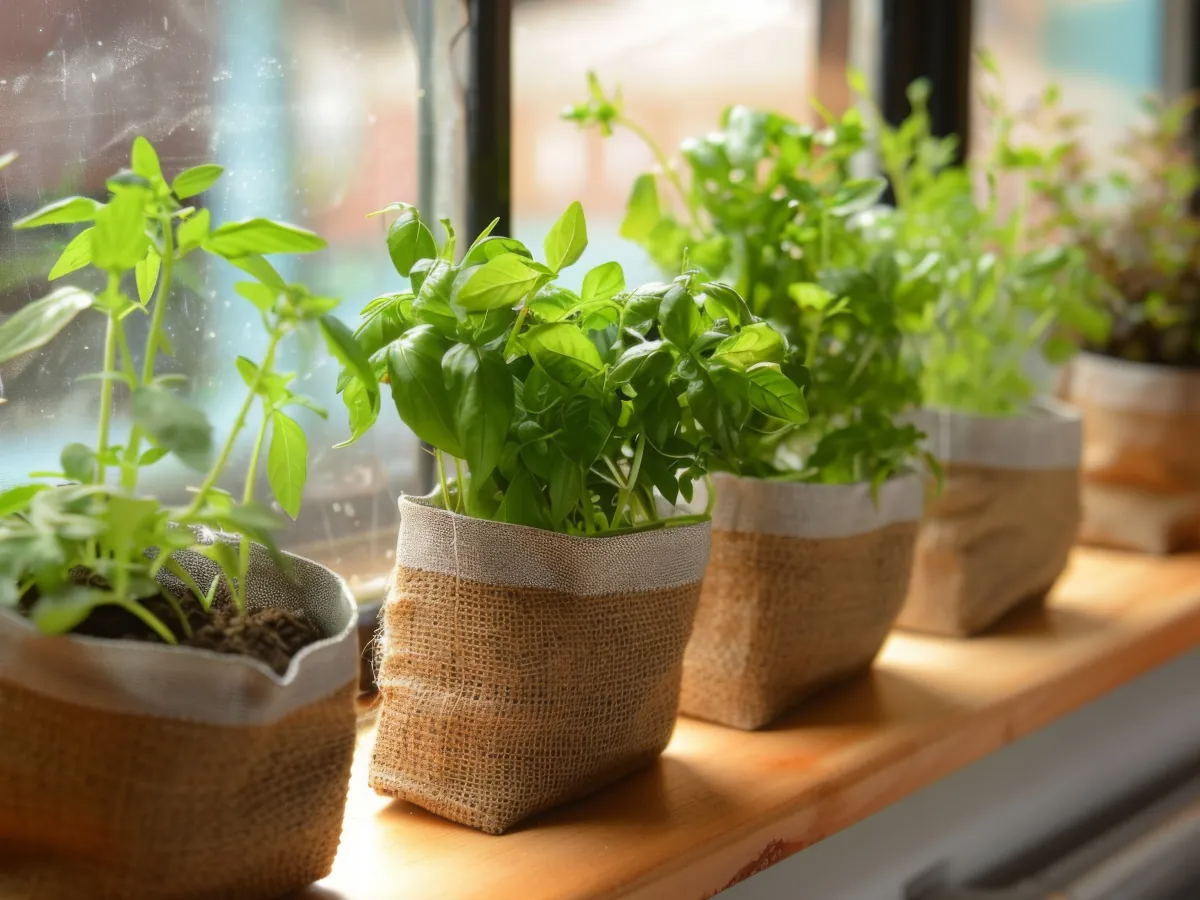
Planning a Winter Windowsill Herb Garden
A winter windowsill herb garden keeps you connected to plants during the cold months on the Seacoast. This guide explains how to choose the right herbs, manage winter light, water wisely, and prune for long-term health in Zone 6b, while showing how indoor winter care supports stronger outdoor gardens in spring.
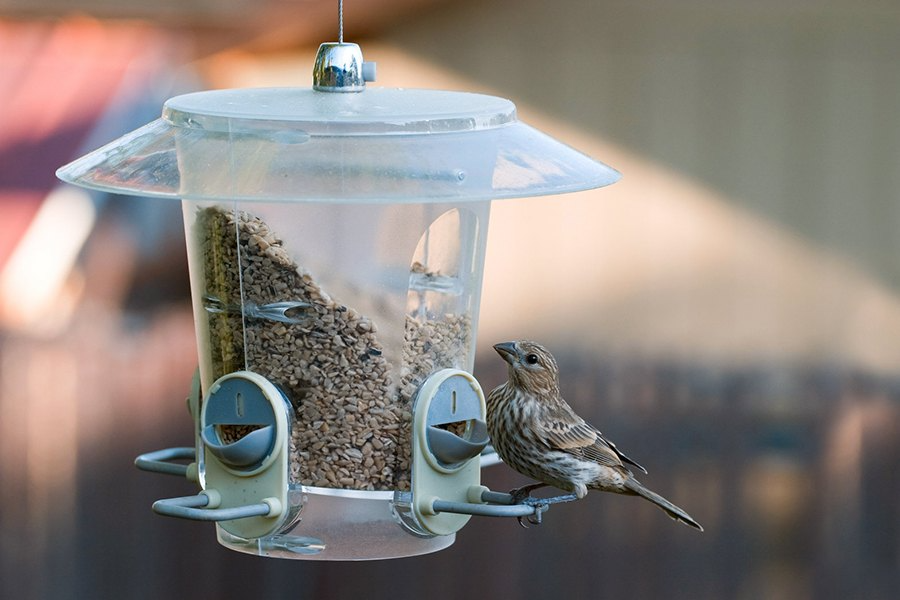
Keeping Backyard Bird Baths and Feeders Healthy Through Winter
Clean, well-maintained bird feeders and baths become essential as winter settles over the Seacoast. With natural food and water sources limited, local birds rely on safe, sanitary backyard stations to survive the cold months. Dirty feeders can spread disease, and frozen bird baths offer no usable water, especially in coastal towns like Portsmouth, Rye, and Exeter. A simple winter cleaning routine helps protect your backyard birds and keeps your garden lively and healthy throughout the season.
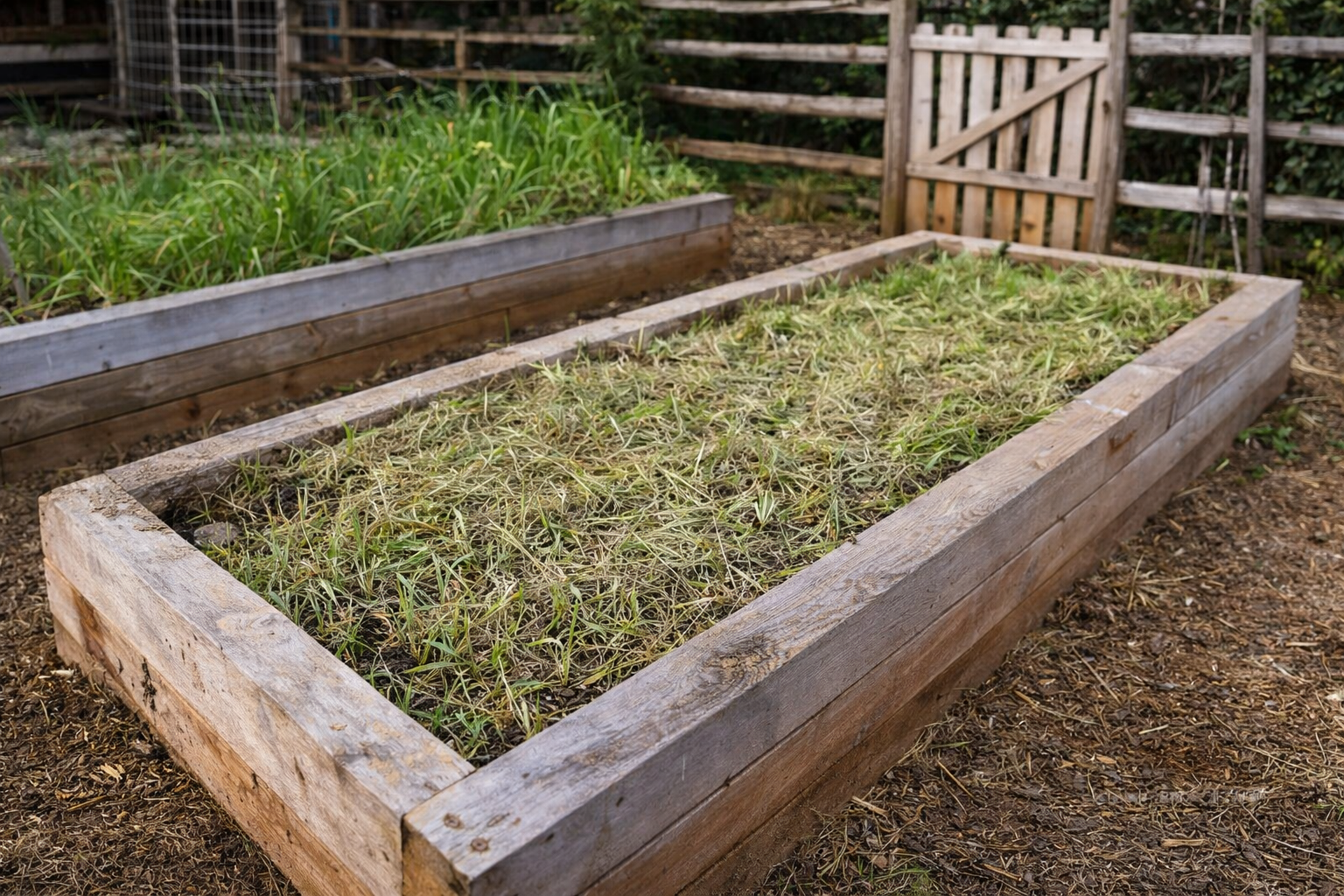
Preparing Garden Beds for Snow Cover (Protect and enrich soil with compost, mulch, and cover crops)
Winter preparation is one of the most important steps you can take to protect your Seacoast garden. As freeze thaw cycles intensify in Zone 6b, soil structure, plant roots, and beneficial organisms can all suffer without proper care. By adding compost, applying mulch, and preparing beds before the first snowfall, gardeners in towns like Portsmouth, Rye, and Hampton can shield their soil from erosion and winter stress. A few thoughtful steps in late fall ensure your garden rests well through the cold months and wakes up healthier, stronger, and ready for spring.
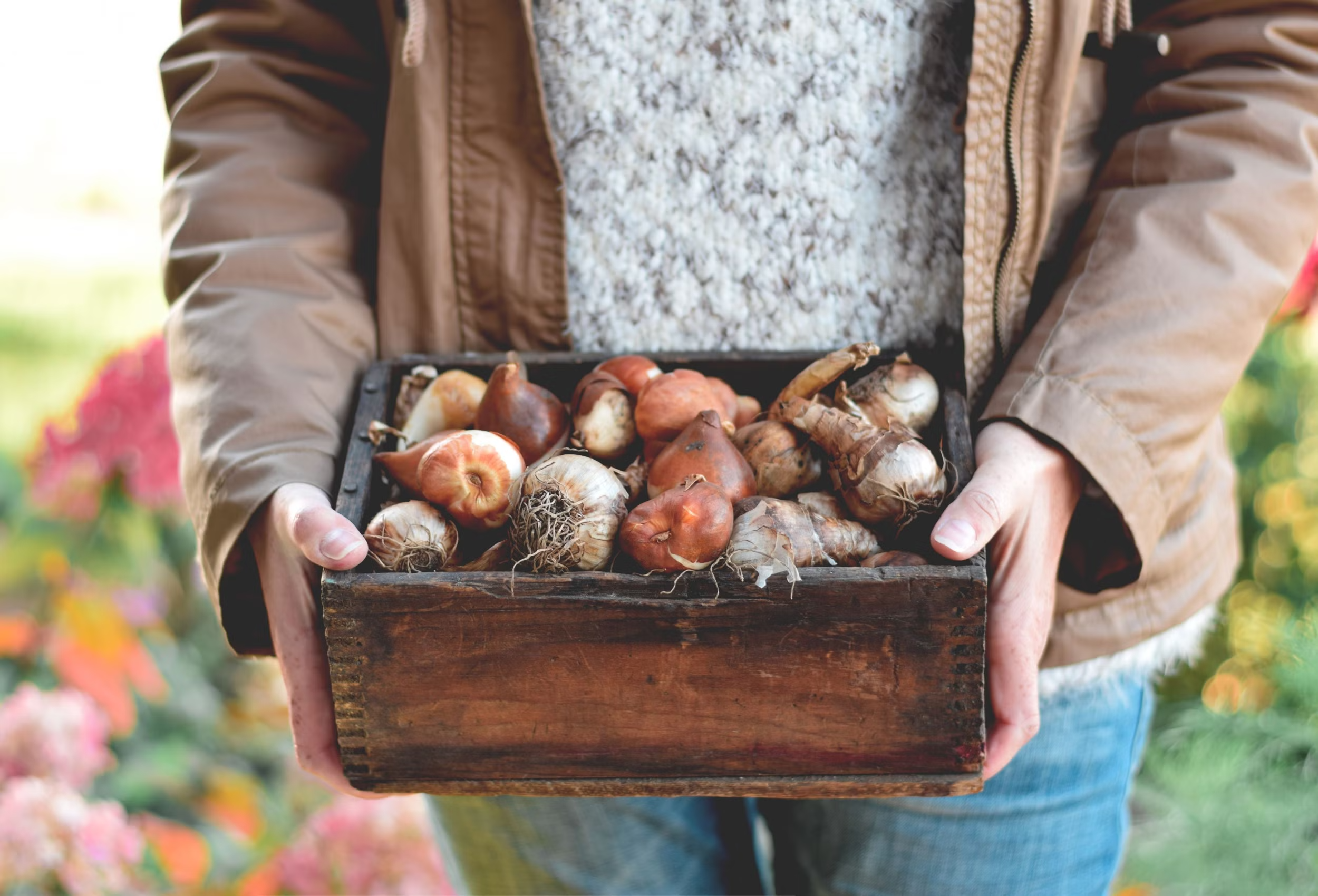
Storing Seeds and Bulbs for Next Year How to keep your favorite varieties healthy, dry, and ready for next season
As fall settles in across the Seacoast, many gardeners begin gathering seeds and lifting tender bulbs with hopes of enjoying the same blooms and harvests next year. Proper storage is essential, especially in Zone 6b where humid summers, damp autumns, and freeze thaw cycles can quickly damage plant material. By harvesting at the right time, drying seeds well, and keeping bulbs in cool, protected spaces, you can preserve your favorite varieties for spring. A little care now ensures healthier germination, stronger blooms, and a garden that returns even better the following season.
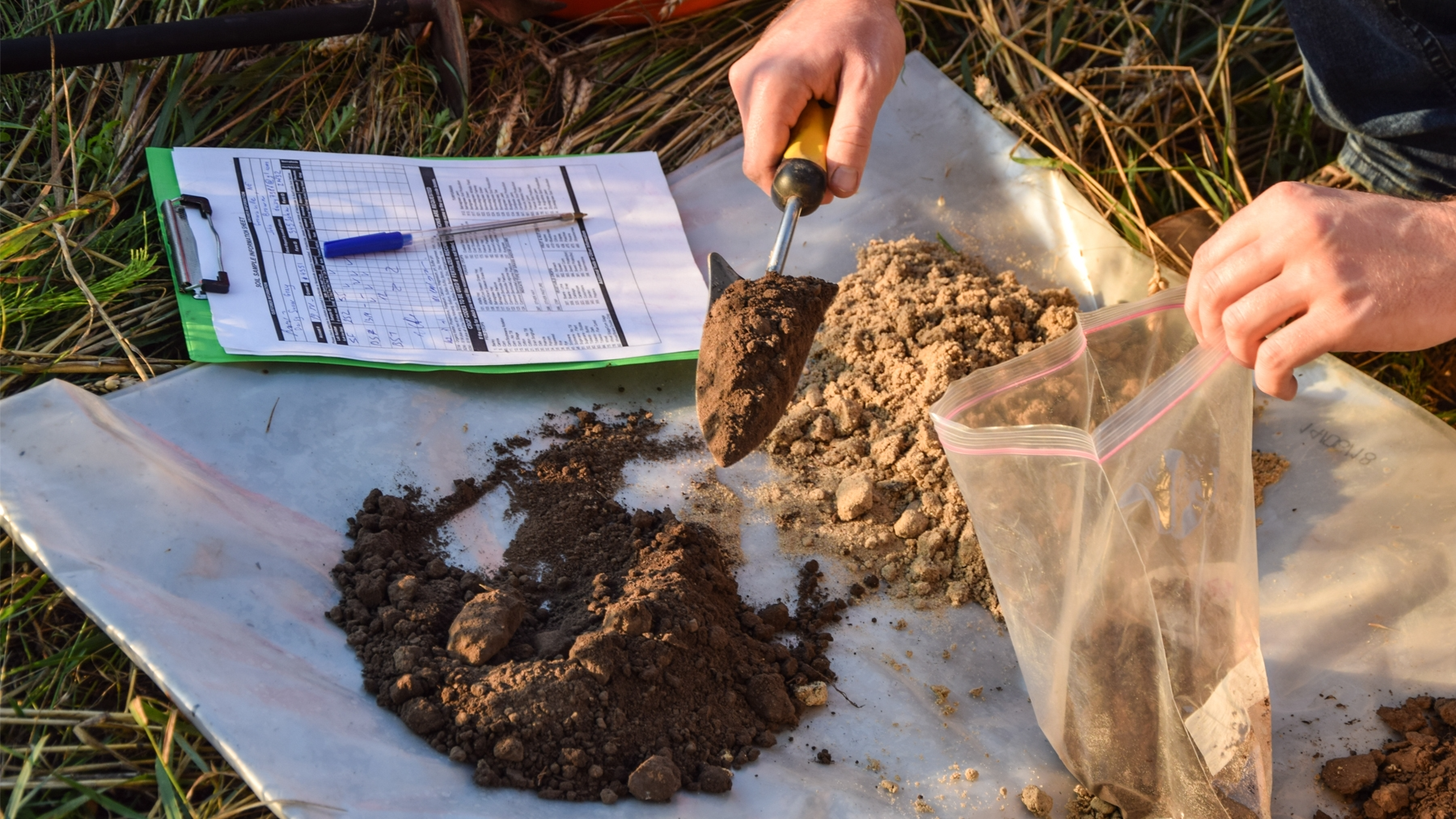
November Soil Testing: Setting Up for Spring Success
Fall is the perfect time for Seacoast homeowners to understand what their soil truly needs. With plants slowing down and the ground still workable, gardeners in Portsmouth, Rye, and Exeter have an ideal window to take soil samples before winter sets in. Testing now removes the guesswork by revealing pH levels, nutrient deficiencies, and organic matter content, giving you months to plan smart amendments. A simple fall soil test sets the foundation for healthier planting, better growth, and a more vibrant garden when spring returns.