
Soil Health in Summer: Keeping Microbes Alive in Rye, NH
Beneath every thriving garden is an invisible world of soil microbes working hard to keep plants fed and resilient. In Rye's sandy, salt-exposed coastal soil, summer heat puts that biology to the test. Discover simple, expert-backed habits, from smart mulching to deep watering, that protect your soil's living foundation all season long.
When and How to Prune Summer Flowering Shrubs
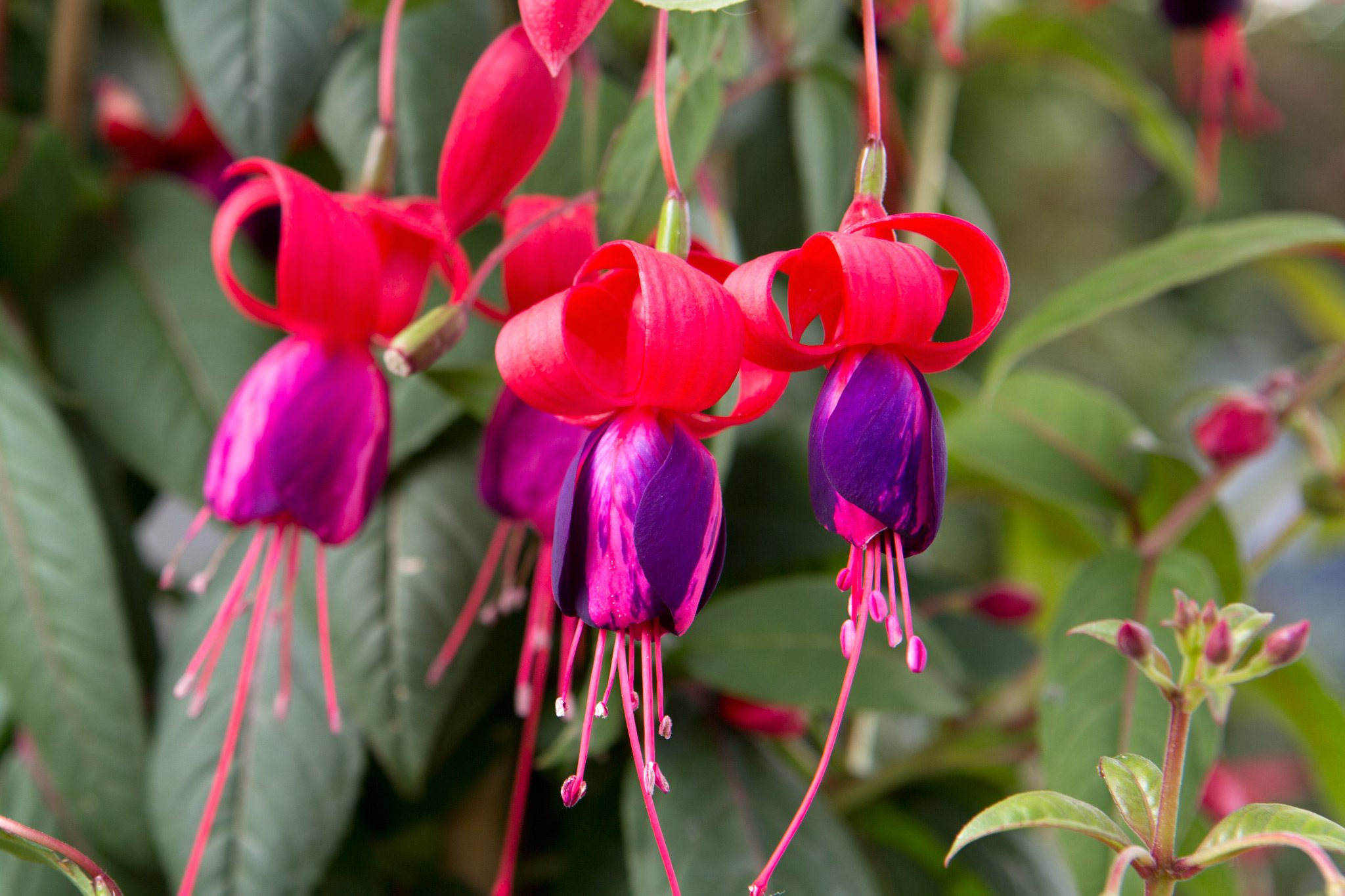
Summer flowering shrubs like panicle hydrangea, rose of Sharon, and butterfly bush bloom on new wood, which means well timed pruning in your Hampton, NH garden brings fuller blooms rather than fewer. Learn when to make your cuts, how much to remove, and the simple aftercare that keeps coastal shrubs strong and beautiful for years.
Coping with Drought: Smart Watering Solutions
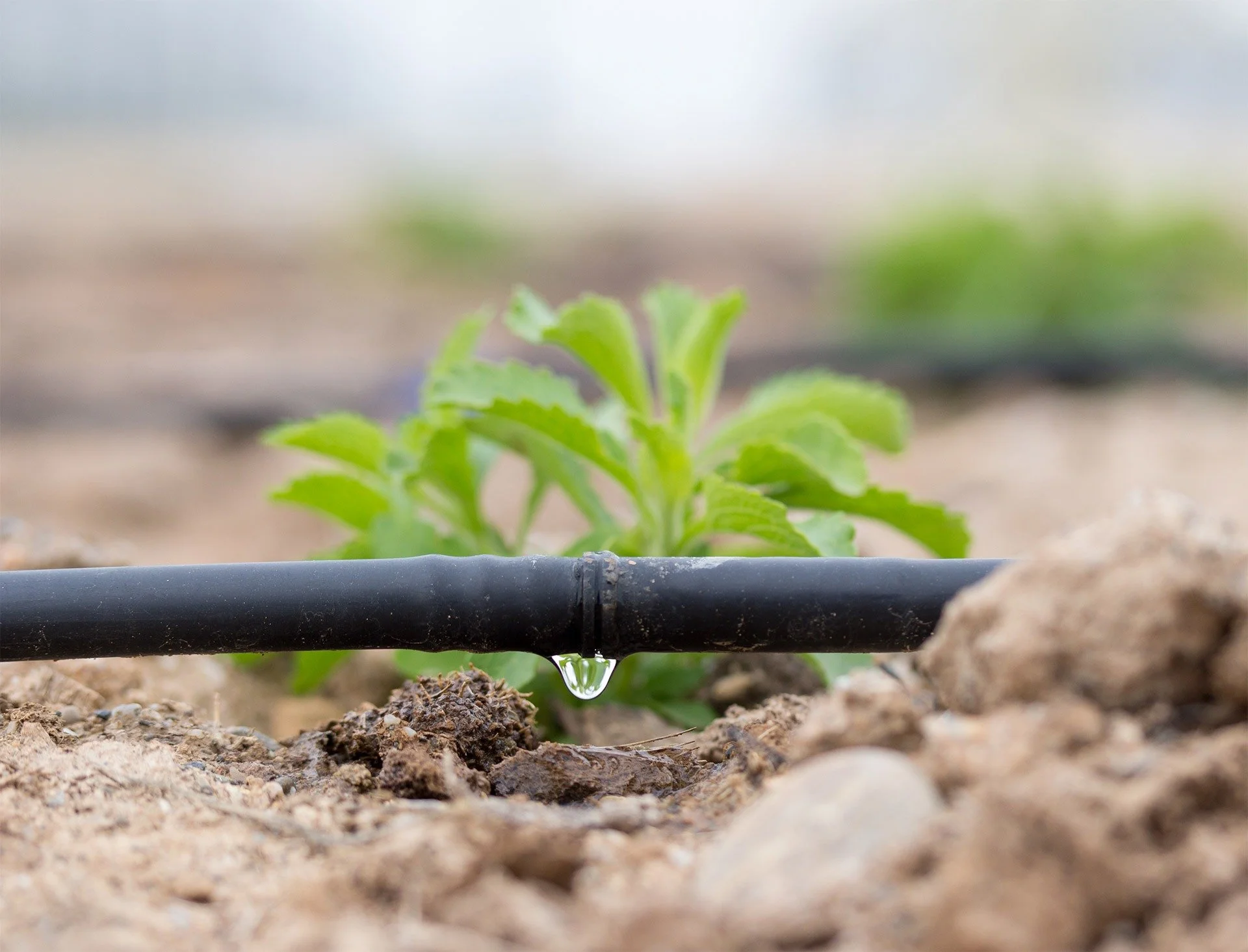
Dry summer stretches arrive quickly in Rye, NH, where sandy coastal soils and steady ocean breezes pull moisture from gardens faster than many homeowners expect. With deep watering, smart timing, generous mulch, and a few simple irrigation upgrades, your landscape can stay healthy and beautiful even when the rain stays away.
Pollinator Power: Plants That Buzz in July
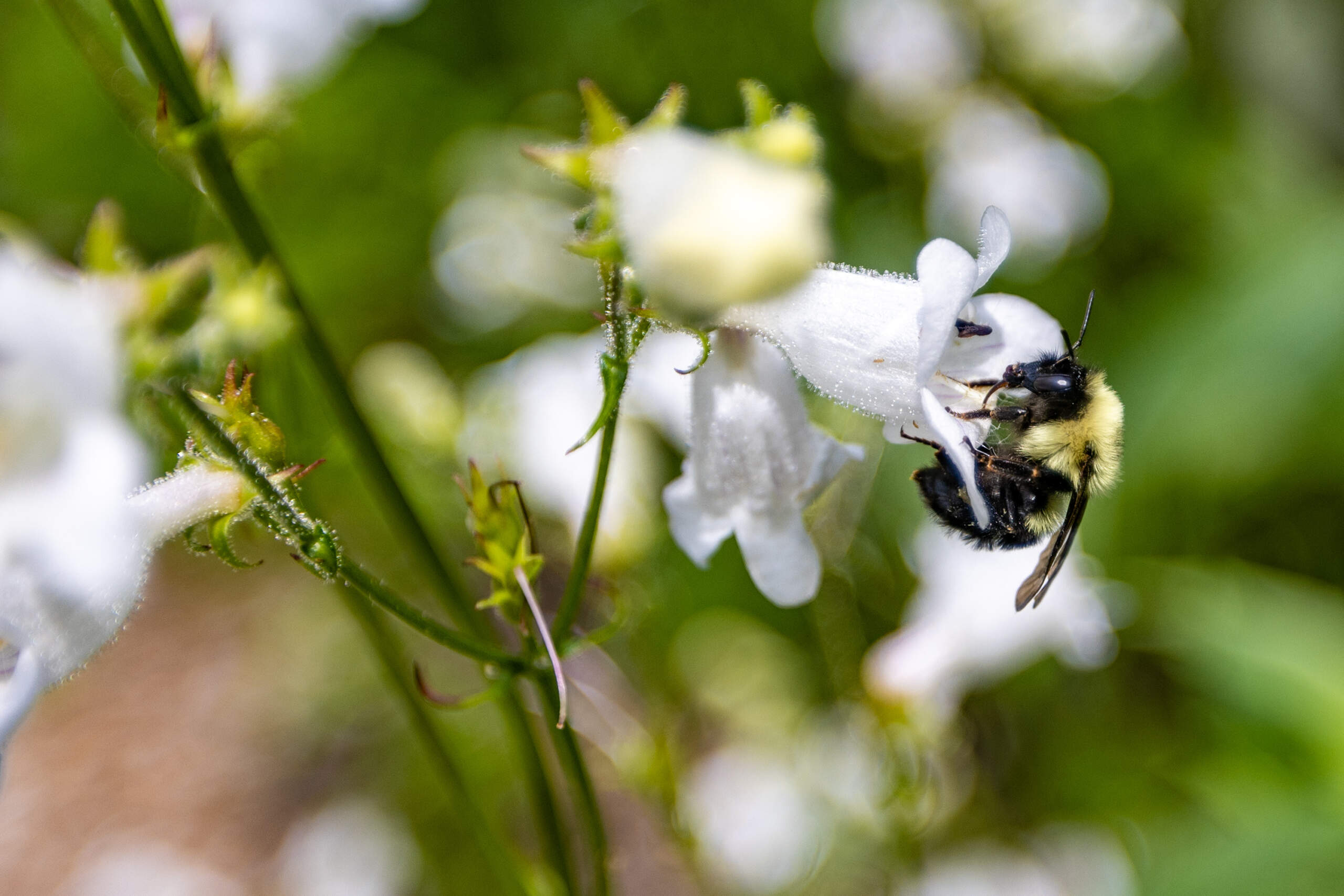
July is peak pollinator season in North Hampton, NH, yet it is also the month when many gardens quietly run short on blooms for bees, butterflies, and hummingbirds. With the right mix of summer perennials, native plants, and pollinator friendly practices, your landscape can hum with life from midsummer well into fall.
Common Weeds and How to Fight Them on the New Hampshire Seacoast
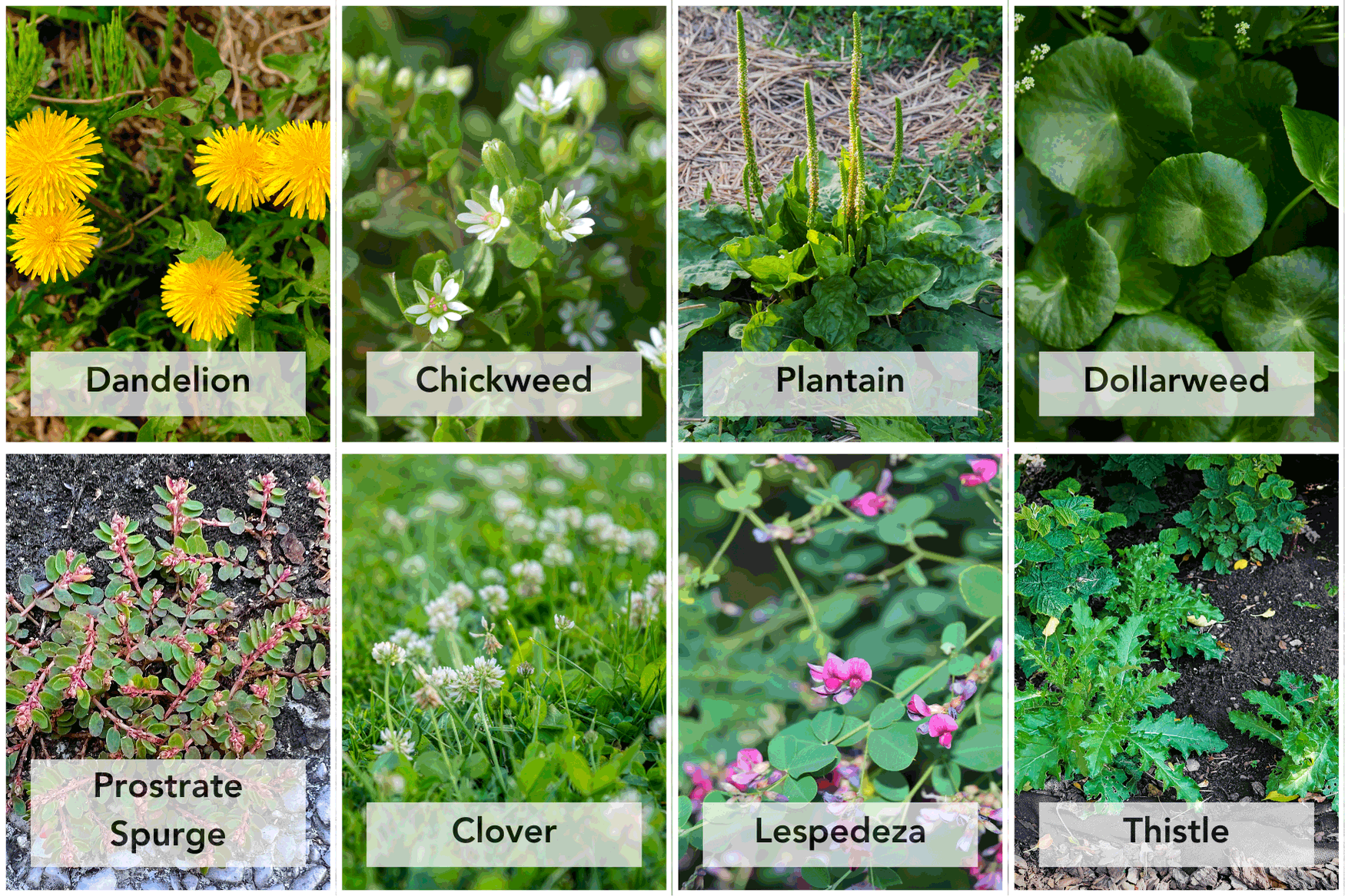
Weeds on the New Hampshire Seacoast are more than a nuisance—they’re a signal that your garden may be struggling. Left unchecked, they compete for water, sunlight, and nutrients, weakening your lawn and crowding out the plants you want to thrive. From crabgrass and dandelions to invasive threats like Japanese knotweed, each weed tells a story about soil health, drainage, and overall landscape balance.
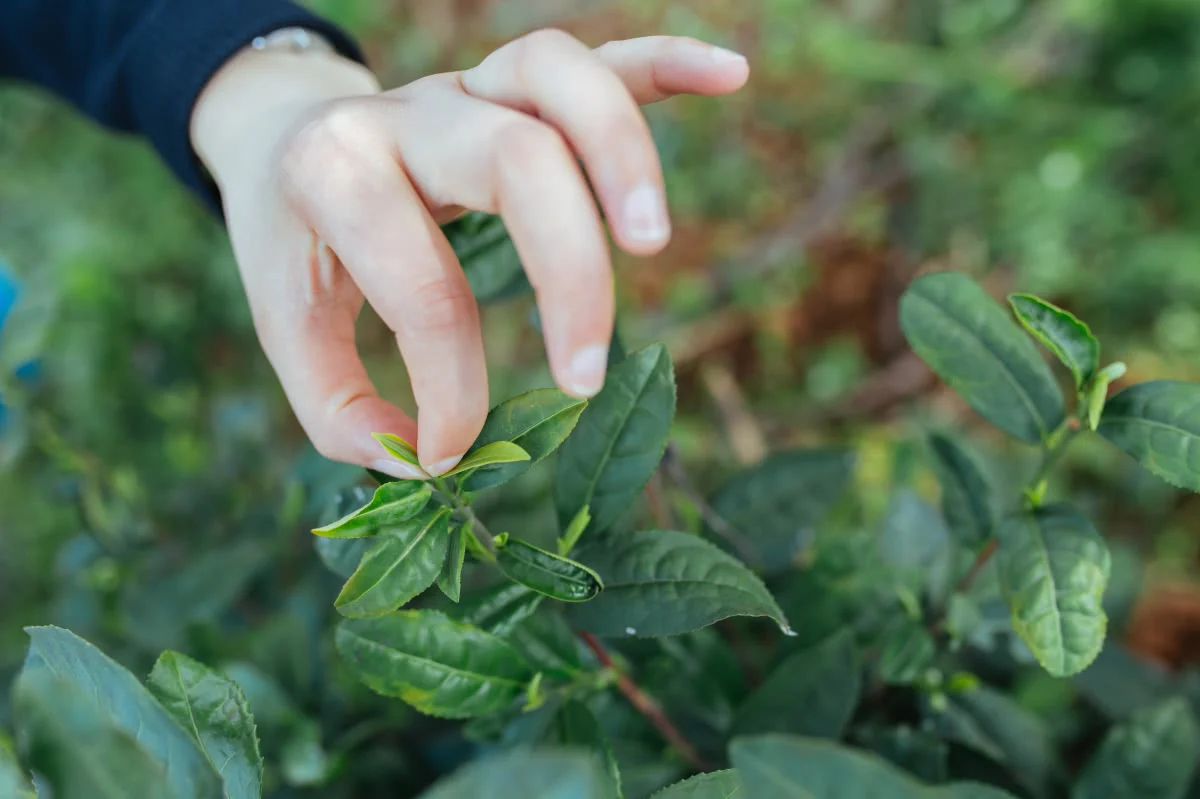
Pinching Annuals for Fuller Growth
If your annuals are growing tall and leggy instead of full and flowering, the solution is often as simple as pinching. This easy technique redirects a plant's energy into bushy, branching growth and can completely transform the way your Portsmouth garden looks by midsummer.